
Last updated October 30, 2026
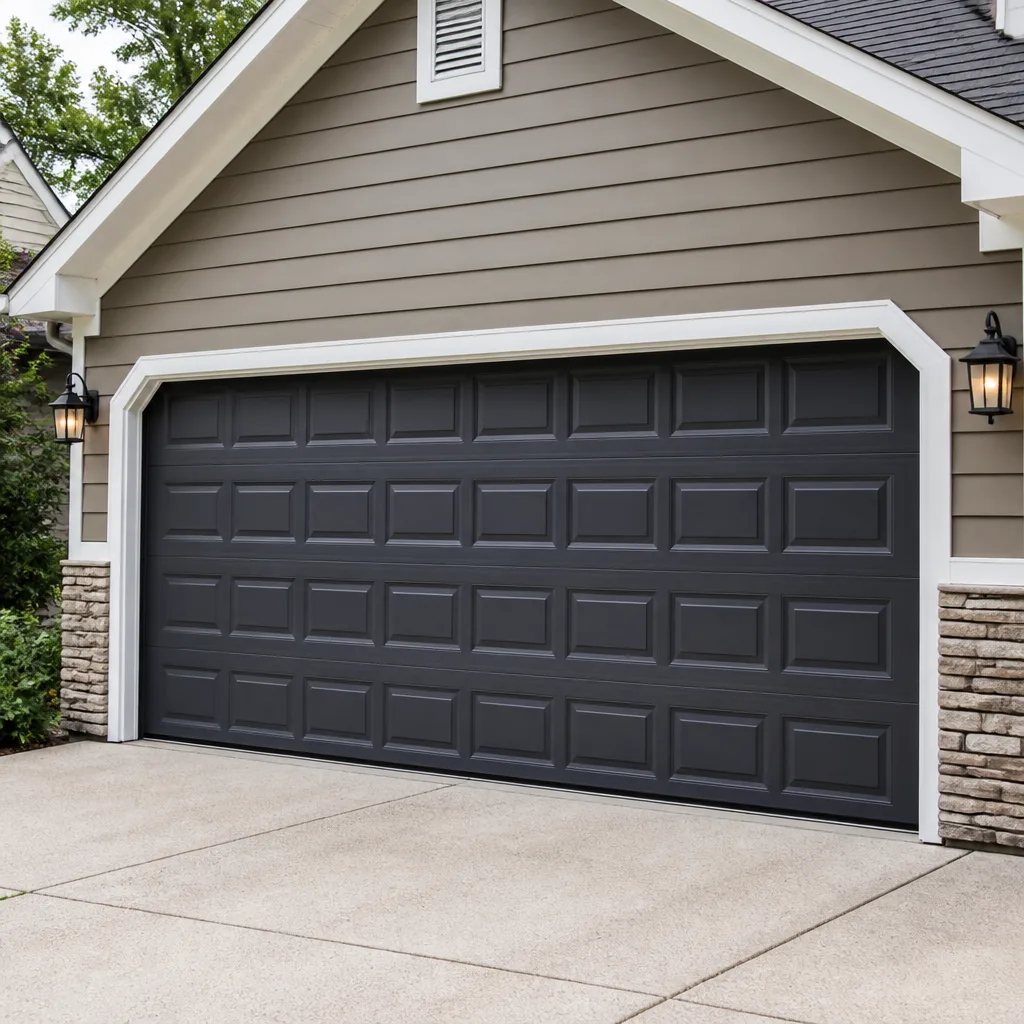 Raised-panel steel
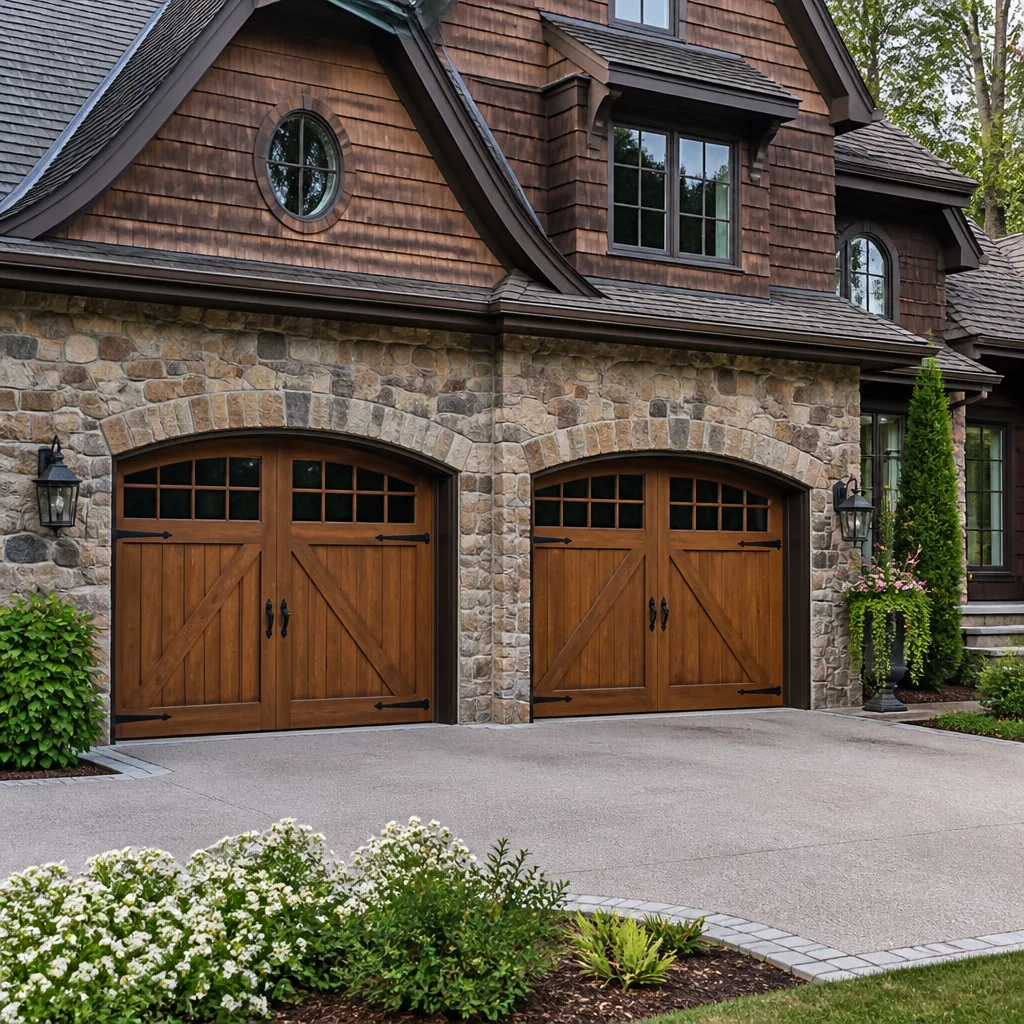 Carriage house
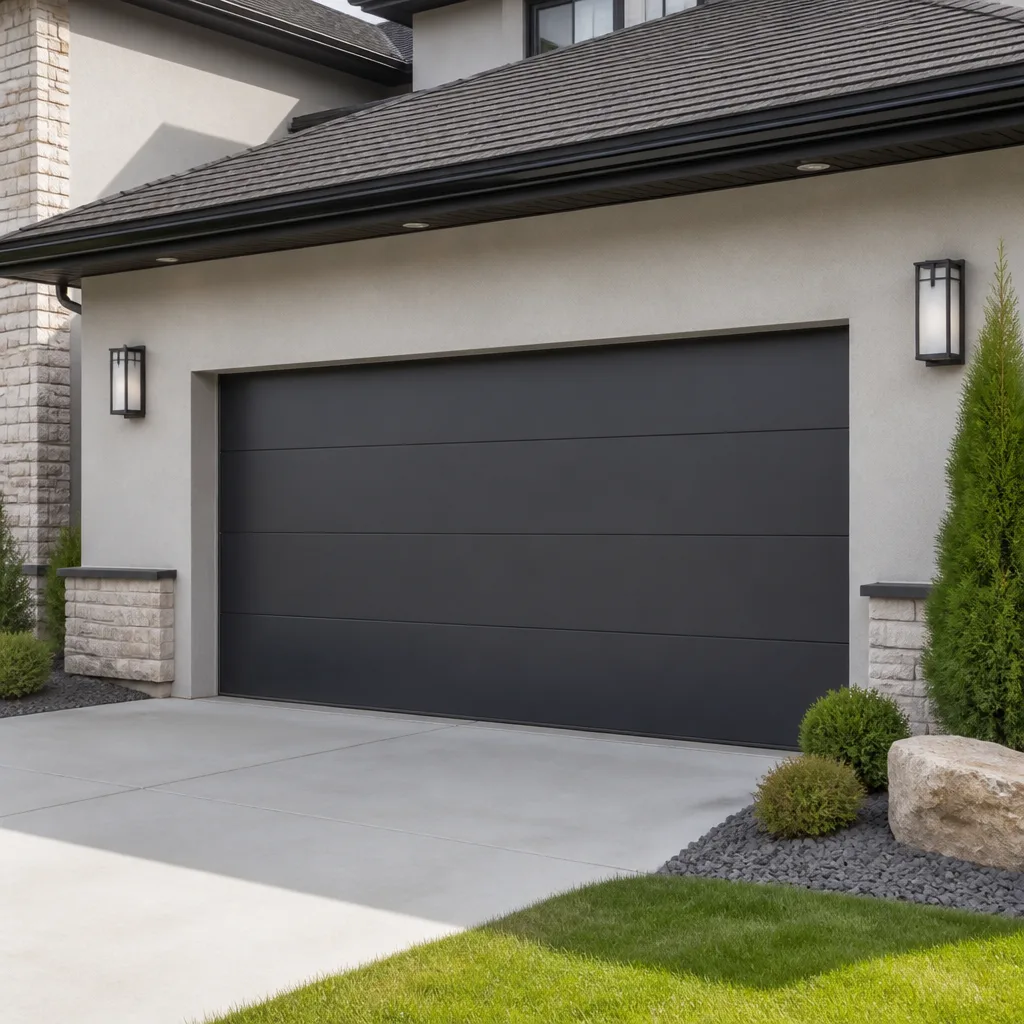 Modern flush
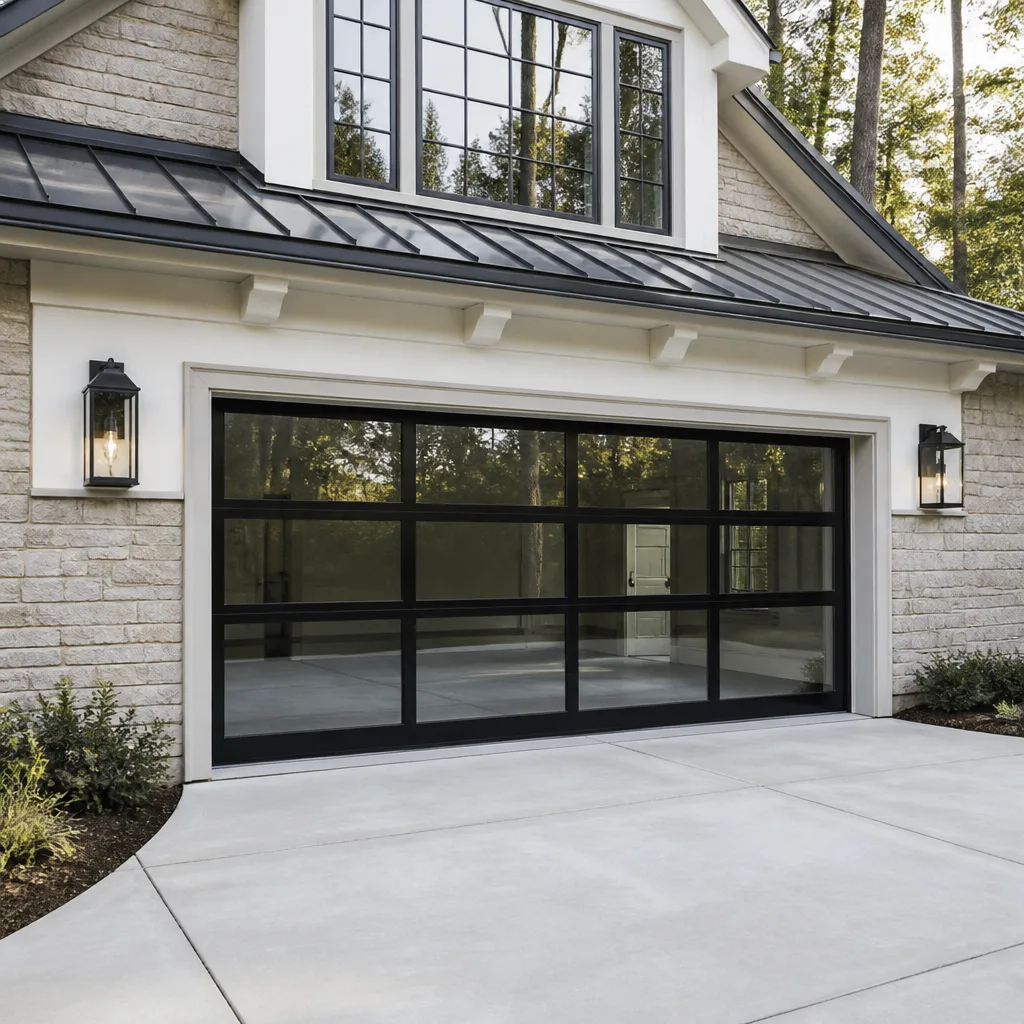 Full-view glass
 LiftMaster openers
 Chamberlain openers
Full 25-point door and opener safety check with every visit - springs, cables, rollers, tracks, and your LiftMaster or Chamberlain opener included
You get a price before we start. It does not change when the truck arrives.
Get your free estimateGarage Door Repair Troubleshooting: Common Problems and How to Fix Them
The single most expensive mistake homeowners in Melbourne make isn’t ignoring garage door problems. It’s misidentifying them. We’ve watched a homeowner replace a perfectly good $340 opener because a $12 set of rollers had seized, and we’ve seen springs condemned when the real issue was a door that simply needed to be rebalanced after years of coastal humidity did its work on the hardware. This guide, alongside our Garage Door Warning Signs: A Melbourne Homeowner’s Reference Guide, teaches you to think through cause and effect the way a technician does, so you can describe the problem accurately, understand what the fix should involve, and avoid paying for work you don’t need. You’ll learn how to diagnose by symptom, what different failure sounds indicate, and which problems are safe to assess yourself versus which ones demand a trained hand.
Styles & brands we work with
Quick Answer
Garage door troubleshooting starts with identifying the symptom: the door won’t open, opens halfway, makes noise, or moves unevenly. Most problems trace to five components: springs, tracks, rollers, the opener, or the door’s balance. You can safely check alignment, lubrication, and opener settings yourself; spring and cable failures require a professional because they operate under extreme tension.
Table of Contents
- The Symptom-First Diagnostic Framework
- What Garage Door Sounds Actually Mean
- Door Won’t Open or Close: Tracing the Cause
- Opener Problem, Spring Problem, or Track Problem?
- Why Your Door Moves Slowly (It’s Probably Not the Opener)
- The Most Common Misdiagnoses We See
- What to Have Ready Before You Call a Repair Company
- Common Mistakes to Avoid
- When to Call a Professional
- Frequently Asked Questions
- The Bottom Line
The Symptom-First Diagnostic Framework
Every garage door problem presents as one of five symptoms: the door won’t move, it moves partially, it moves unevenly, it makes noise, or it moves when it shouldn’t. Most troubleshooting guides start with components, which is backwards. You don’t know the component is bad yet. You know what the door did. Start there, and work backward.
Here’s the diagnostic sequence we use on every service call in Melbourne, from beachside homes in Indialantic to newer construction in Viera:
- Observe what the door does. Does it refuse to move at all? Move a few inches then stop? Move but shudder? Move smoothly but make noise? Each behavior points to a different subsystem.
- Disconnect the opener. Pull the red emergency release cord. If the door now operates smoothly by hand, the opener or its settings are the problem. If the door is still stuck, heavy, or binding, the issue is mechanical: springs, tracks, rollers, or the door itself.
- Test in manual mode. A properly balanced door should lift with one hand, stay at waist height without falling or rising, and feel consistent through the full travel. Any variation tells you something specific.
- Listen during manual operation. Grinding, scraping, or popping heard while moving the door by hand eliminates the opener as the culprit and directs attention to the mechanical components.
- Narrow to the component. The symptom plus the physical test plus the sound will point to springs, rollers, tracks, hinges, cables, or the opener with surprising accuracy.
This sequence matters because it prevents misdiagnosis. A door that opens halfway and stops is usually not “a bad opener,” even though that’s the first thing homeowners assume. More often it’s a spring issue, and the opener is shutting down to protect itself. Knowing the difference before you call a repair company changes the conversation from “my opener is broken” to “my door stops halfway,” which gives the technician better information to work with.
What Garage Door Sounds Actually Mean
Your garage door talks. Most Melbourne homeowners hear the noises every day and tune them out until something fails completely, but each sound is a diagnostic clue that can tell you exactly what’s wearing out, often months before it breaks. Here’s what we listen for:
- Grinding or metal-on-metal scraping: Almost always rollers or hinges. Roller bearings wear out, especially in coastal Florida where salt air accelerates corrosion. A grinding sound means dry, worn, or flat-spotted rollers. Portland and Melbourne homes within a mile of the Indian River Lagoon see this faster than inland homes.
- A loud pop or bang, like a gunshot: That’s a torsion spring snapping. It’s unmistakable when it happens. One spring breaks and the door suddenly weighs 100 to 150 pounds more, which is why the opener often won’t lift it afterward. This requires professional replacement immediately because the remaining spring is carrying double its rated load.
- Clicking during operation: Clicking that repeats as the door moves usually points to a loose hinge, a cracked hinge, or a roller working its way out of the track. A single click when the door starts or stops can be a relay in the opener, which is benign, or a failing capacitor, which is not.
- Squealing or squeaking: Dry parts. Rollers, hinges, and bearing plates all need lubrication periodically. In Melbourne’s humidity, rust forms quickly on uncoated hardware, and rust plus friction creates a distinctive squeal that gets worse over time.
- Rattling or chattering: Loose fasteners. Bolts and nuts on tracks, hinges, and brackets work loose over years of vibration. A rattling door isn’t failing yet, but it’s telling you the hardware is loosening, and loose hardware wears every other component faster.
- Thumping or banging during travel: The door is hitting something in its path, or a section joint is binding. Check for obstructions first, then look at the door sections themselves. A warped section from heat or impact creates a bump every time it passes through that spot in the track.
One trick we use: run the door in manual mode and kneel near the center of the track. Sound travels through metal, so what you hear from across the garage may sound like it’s coming from the wrong place. Getting your ear close to the track while someone else moves the door slowly will isolate the noise to a specific roller, hinge, or bracket.
Door Won’t Open or Close: Tracing the Cause
When a garage door in Melbourne won’t operate, the cause falls into one of four categories: power or signal, opener safety system, mechanical failure, or obstruction. Here’s the elimination sequence, in order of likelihood.
Step 1: Check Power and Signal
This sounds obvious, but a dead opener is the cause more often than homeowners expect. Check that the opener is plugged in, the outlet has power, and the wall button works. If the wall button works but the remote doesn’t, it’s a signal issue: dead remote battery, antenna interference, or a failed receiver board. If neither works, pull the emergency release and try the door manually before assuming anything about the opener.
Step 2: Check the Safety Sensors
Near the bottom of each track sits a photo eye. If those sensors are misaligned, dirty, or blocked, the door will refuse to close, or it will close and immediately reverse. Sunlight can also trip them, which is a real problem for west-facing garage doors in Melbourne during late afternoon. Clean the lenses, check alignment, and see if the problem persists. If the door closes when you hold the wall button down, the sensors are almost certainly the issue.
Step 3: Test the Door Manually
Pull the red release cord and lift the door by hand. If it’s extremely heavy or won’t move, you have a spring failure. Torsion springs carry the entire weight of the door, and when one breaks, the remaining spring often can’t compensate. If the door binds partway up, check the tracks for debris, obstruction, or misalignment. If the door moves smoothly by hand, the problem is the opener: the drive gear, logic board, or travel limit settings.
Step 4: Look for What Changed
Did this start suddenly or gradually? Sudden failures point to a break: spring, cable, gear. Gradual failures point to wear: rollers, hinges, logic board degradation. A door that worked yesterday and doesn’t today almost always has a broken component you can see, even if you have to look closely. Cables that are frayed or off the pulley, springs with a visible gap in the coil, or an opener gear that has ground itself to paste are all visible on inspection.
Opener Problem, Spring Problem, or Track Problem?
These three systems produce overlapping symptoms, which is why homeowners often misidentify the culprit. Here’s how to tell them apart with simple tests anyone can do safely.
The Manual Operation Test
Pull the emergency release cord. This single test eliminates the opener as a variable. If the door works smoothly by hand, the opener is suspect. If the door is heavy, stuck, or binding, the problem is mechanical.
The Balance Test
With the door disconnected and closed, lift it to waist height and let go. A balanced door stays roughly where you left it. A door with a failing spring drops or rises. A door with a track problem will bind at a specific point as you move it through its travel. In Melbourne’s climate, track problems often develop gradually as the building settles into sandy soil, shifting the track alignment slightly over years.
The Travel Test
Watch the door from the side as it moves. A door with a broken spring often tilts as it lifts, one side higher than the other. A door with a track issue will hesitate or jump at the same spot every time. A door with a failing opener usually moves normally but stops at random points or reverses unexpectedly.
The Sound Test
Opener problems tend to produce grinding from the unit itself, which hangs from the ceiling. Spring problems produce a loud pop when they break, and a groaning sound as the remaining spring strains. Track problems scrape, producing a metal-on-metal sound localized to one side of the door. Knowing which sound belongs to which subsystem gets you to the right diagnosis faster.
One distinction that matters a lot in practice: a LiftMaster opener and a Craftsman opener may produce very similar symptoms when their logic boards degrade, which is why we stock diagnostic equipment for both. But a track problem will present the same whether the opener is brand new or 15 years old, because the track doesn’t care what opener hangs from the ceiling. Testing manually removes the opener from the equation entirely.
Why Your Door Moves Slowly (It’s Probably Not the Opener)
Homeowners call us in Melbourne reporting a “weak opener” when their door has slowed down. Nine times out of ten, the opener is fine. What changed is friction in the mechanical system, and the opener is working harder to overcome it.
A garage door opener is not like a car engine that can lose power over time. It either works or it doesn’t. What does change is the amount of force required to move the door, and the opener compensates by straining, running slower, or tripping its force-sensing safety limit. Here’s what actually causes a slow door:
- Dried-out rollers and hinges. Metal rollers without bearings and hinges without lubrication add significant friction. In coastal Melbourne air, lubrication breaks down faster than in dry climates, and corrosion sets in on unprotected metal parts. A $10 can of proper garage door lubricant often restores a door to full speed.
- A door that’s out of balance. Springs lose tension as they age. As that happens, the opener carries more of the door’s weight. A door that was perfectly balanced when installed can be significantly heavier after five years of spring fatigue, and the opener slows accordingly.
- Track misalignment. If a track has shifted even slightly, rollers drag against the track walls instead of rolling freely. This adds constant resistance through the full travel.
- A dying capacitor in the opener. This is the one opener component that genuinely weakens. Capacitors provide the starting surge for the motor. When they degrade, the opener starts sluggishly or fails to start on the first attempt.
The test: disconnect the door and run it manually. If it’s smooth and easy, the door itself is fine and the slow movement is likely the capacitor or the opener’s force settings. If the door is stiff or heavy, the problem is mechanical. Either way, the fix is usually less expensive than replacing an opener, which is why slow movement is one symptom worth diagnosing properly before spending money.
The Most Common Misdiagnoses We See
Some problems masquerade convincingly as other problems. We’ve repaired enough garage doors in Melbourne to recognize the patterns, and these are the ones that cost homeowners the most money when they’re diagnosed wrong.
“The opener is dead” (actually a broken spring)
When a torsion spring snaps, the opener motor runs but the door barely moves. The motor smells hot after repeated attempts. Homeowners assume the motor burned out. In reality, the opener is fine and is trying to lift a door that suddenly weighs twice what it expects. Replacing the opener would cost hundreds and leave the real problem untouched. The manual operation test reveals the truth in 30 seconds.
“The sensors are broken” (actually a sunlight issue)
West-facing garage doors in Melbourne get blasted with afternoon sun at the perfect angle to blind the safety photo eyes. The door won’t close, the homeowner assumes the sensors failed, and a replacement sensor set doesn’t fix it. The fix is often a simple shield, a reposition, or closing the door at a different time of day.
“The tracks need replacing” (actually a single bent bracket)
A door that jams at one specific point in its travel often has a single bent track bracket, not a destroyed track. Replacing the bracket costs a fraction of a track replacement. But we’ve seen quotes from generalists recommending new tracks when one bracket was the culprit. Knowing the difference before you call means you can ask the right questions.
“The door needs a new motor” (actually the force settings drifted)
Garage door openers sold under brands like Raynor and Wayne Dalton include force adjustment settings. When those settings drift or are set wrong, the door reverses partway through its travel. It looks like a failing opener. It’s usually a two-minute adjustment.
“The door is unfixable” (actually a broken cable, not a structural failure)
Cables snap less often than springs, but when they do, the door suddenly jerks and hangs crooked. It looks catastrophic. The actual fix is a cable replacement and a spring re-tension, which is routine work for a specialist. But calling the wrong company can lead to a full door replacement quote for a problem that costs a small fraction of that to repair properly.
Our repair-first approach exists specifically because of situations like these. If a repair will restore your door to safe operation, that’s what you should get. We’d rather fix a $40 bracket than sell a $1,800 door that wasn’t needed.
What to Have Ready Before You Call a Repair Company
An accurate phone quote depends on the information you provide. Most repair companies, including ours, quote a range based on what you tell them, then confirm the price when the tech sees the door in person. The better your description, the more accurate the initial estimate. Here’s what to gather before you call:
- The door’s behavior. “It won’t open” is less useful than “it opens six inches, stops, and the motor makes a grinding noise.” Describe exactly what happens when you press the button or try to lift manually.
- What you’ve tested. Whether you disconnected the opener and tried manual operation. Whether the door was heavy or smooth. This eliminates half the diagnostic work before the technician arrives.
- The symptom timeline. Did it fail suddenly or gradually? When did you first notice it? A door that’s been slowing for weeks suggests different causes than one that banged and stopped this morning.
- The sound, if any. Grinding, popping, clicking, scraping. The sound is almost as diagnostic as the behavior. If you can record a short video with sound, even better.
- The door type and spring type. Single door or double door? One spring or two? Extension springs running along the horizontal tracks, or a torsion spring on a bar above the door? This affects both parts availability and price.
- The opener brand and approximate age. LiftMaster, Chamberlain, Genie, Craftsman, Raynor: knowing the brand helps us bring the right diagnostic equipment. Age matters because parts availability changes for older models.
This information lets a technician give you a realistic price range before dispatch, which protects you from surprises. It also signals that you understand your door, which tends to produce a more straightforward conversation about repair versus replacement.
Common Mistakes to Avoid
- Attempting to adjust or replace torsion springs yourself. These springs hold the entire weight of a 150-plus-pound door under tension. A spring releasing unexpectedly can break bone or worse. This is the single most dangerous DIY task in a typical home, and no amount of video tutorial makes it safe.
- Keeping the opener engaged while diagnosing a mechanical problem. If a spring has broken and you keep pressing the button, you’re forcing the opener to strain against a load it was never designed for. Disconnect first, then investigate.
- Lubricating with WD-40 or grease. WD-40 is a solvent, not a lubricant, and grease attracts dirt that grinds the rollers down faster. Use a proper garage door lubricant designed for the job. This is an especially easy mistake to make in Melbourne, where humidity and coastal salt already shorten component life.
- Ignoring a noisy door until it stops moving. Grinding and squealing are warnings. The component that makes noise today is the component that fails next month. Addressing noise when it appears costs a fraction of a failure repair.
- Replacing the opener before checking the mechanical system. If the door doesn’t operate, it’s tempting to assume the opener died. In our experience across Melbourne, a significant portion of “dead openers” are actually healthy openers attached to broken springs or bound tracks.
- Calling a generalist who doesn’t know the brand. Garage door openers from Wayne Dalton, Craftsman, Raynor, and LiftMaster have different diagnostic procedures, different failure modes, and different parts. A general handyman who sees one garage door a month doesn’t have the depth to diagnose brand-specific issues accurately.
When to Call a Professional
Some problems are safe to assess yourself, and some require a trained eye. Torsion spring replacement, cable replacement, track realignment, and door section replacement all require professional tools and experience. These components hold tension and weight that can cause serious injury if mishandled. A good rule: if the fix requires touching springs, cables, or removing a track, call someone who does this every day.
Ironstone Garage Door Repair offers free estimates in Melbourne and the surrounding Brevard County area. We work specifically on eight major garage door brands: LiftMaster, Chamberlain, Genie, Clopay, Amarr, Wayne Dalton, Craftsman, and Raynor. That focus means the technician who arrives at your door has seen your system before, knows its failure patterns, and carries the parts to fix it. Call (866) 472-4163 and describe your symptoms: the information in this guide will help us give you an accurate estimate over the phone.
If you’re in the Melbourne area and need a specialist who handles both the door and the opener, see our Garage Door Repair in Melbourne page for service details. If the issue is specifically with the opener itself, our Garage Door Opener Repair in Melbourne page covers those diagnostics in depth. And if the diagnosis points toward replacement rather than repair, our Garage Door Installation in Melbourne guide walks through the process from measurement to installation.
Frequently Asked Questions
Garage door repair in Melbourne typically runs $125 to $400 depending on the component, with spring replacement being one of the most common repairs and generally priced in the middle of that range. Labor rates in Brevard County are standard for Florida, and parts availability is good because Melbourne has a large installed base of all eight major brands. The price is quoted and agreed before any work starts, so the number you approve is the number you pay. Call (866) 472-4163 with your symptoms for a specific estimate; estimates are free.
In many cases, yes. We carry replacement parts for LiftMaster, Chamberlain, Genie, Clopay, Amarr, Wayne Dalton, Craftsman, and Raynor systems on our trucks, which means a spring, roller, or cable repair can often be completed in a single visit. The earlier you call, the better the scheduling options, and we’ll tell you honestly whether your situation allows for same-day service. Call (866) 472-4163 to check availability for your area.
The most common cause is a broken torsion spring. When the spring breaks, the opener motor runs but doesn’t have the lifting force to move the now-heavier door. The emergency release cord disconnects the door from the opener; if the door is extremely heavy to lift manually, the spring is confirmed as the problem. This is a professional repair, not a DIY job.
No. The price is quoted and agreed before any work begins. If the technician finds something unexpected, you’ll hear about it and approve any additional work before it’s done. No surprise invoices, no work performed on the assumption you’ll pay whatever shows up on the bill. That’s non-negotiable.
Our service vehicles are stocked with common parts for LiftMaster, Chamberlain, Genie, Clopay, Amarr, Wayne Dalton, Craftsman, and Raynor systems. Springs, rollers, hinges, cables, sensors, and opener gears are the items we replace most frequently, and carrying them means most repairs happen in a single visit rather than requiring a second appointment after parts arrive.
Corrosion-related roller and hinge failure. The salt air near the Indian River Lagoon and the Atlantic accelerates wear on metal components, especially unsealed rollers and hinges in older doors. Homeowners within a mile of the water should expect to replace rollers more frequently than inland homeowners, and periodic lubrication is more important here than in drier climates.
The Bottom Line
Garage door troubleshooting is a process of elimination that starts with symptoms, not components. Disconnect the opener to isolate mechanical problems from electrical ones. Test the door manually to check balance and friction. Listen carefully: each sound points to a specific failure. Diagnose before you replace, because expensive components like openers and full doors are often blamed for problems that belong to inexpensive parts like brackets and rollers. When you’re ready to call, the information you’ve gathered from this guide will get you an accurate estimate and a repair that addresses the actual cause, not the symptom. For specialist garage door service on any of the eight major brands, call (866) 472-4163 or visit our Ironstone Garage Door Repair home page. In Melbourne, your garage door, handled.
Written by the team at Ironstone Garage Door Repair, serving Melbourne since 2016. Explore more guides & resources on our blog.
See the difference
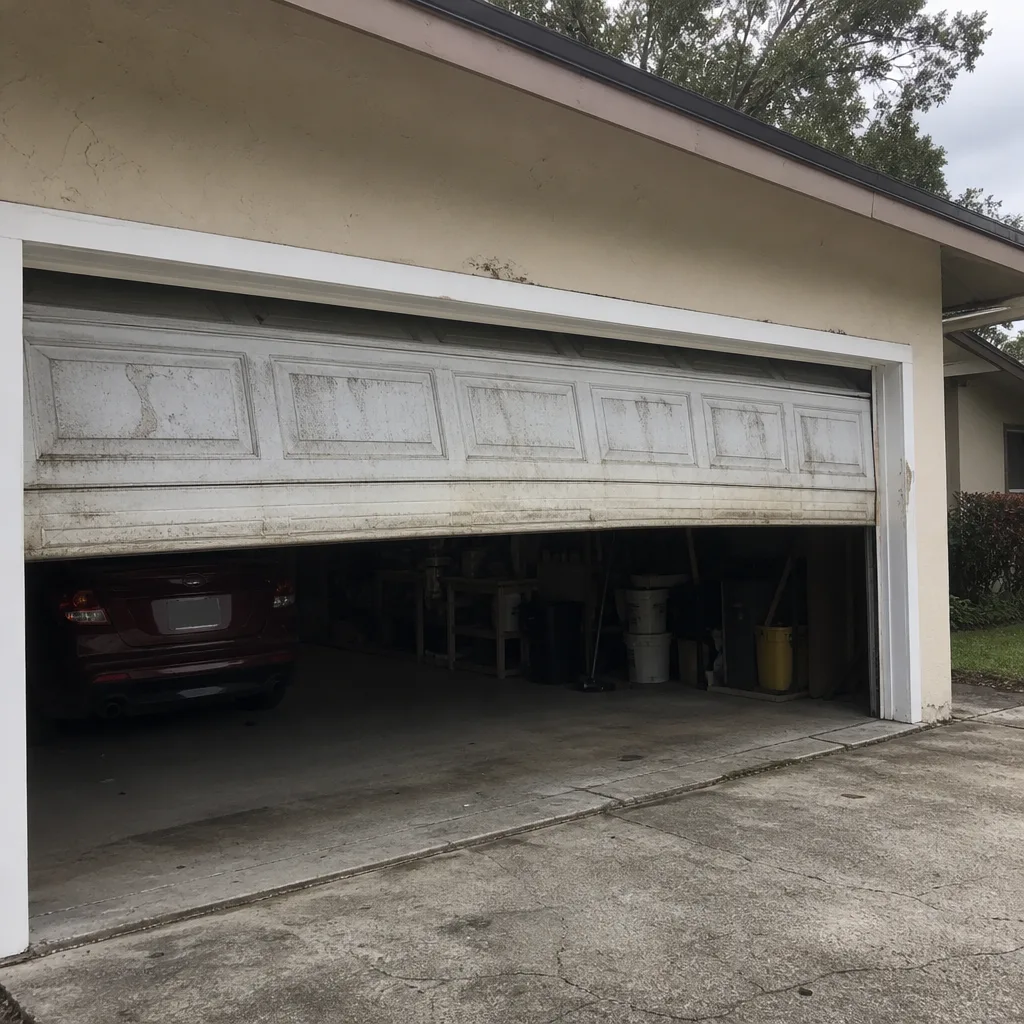 Before
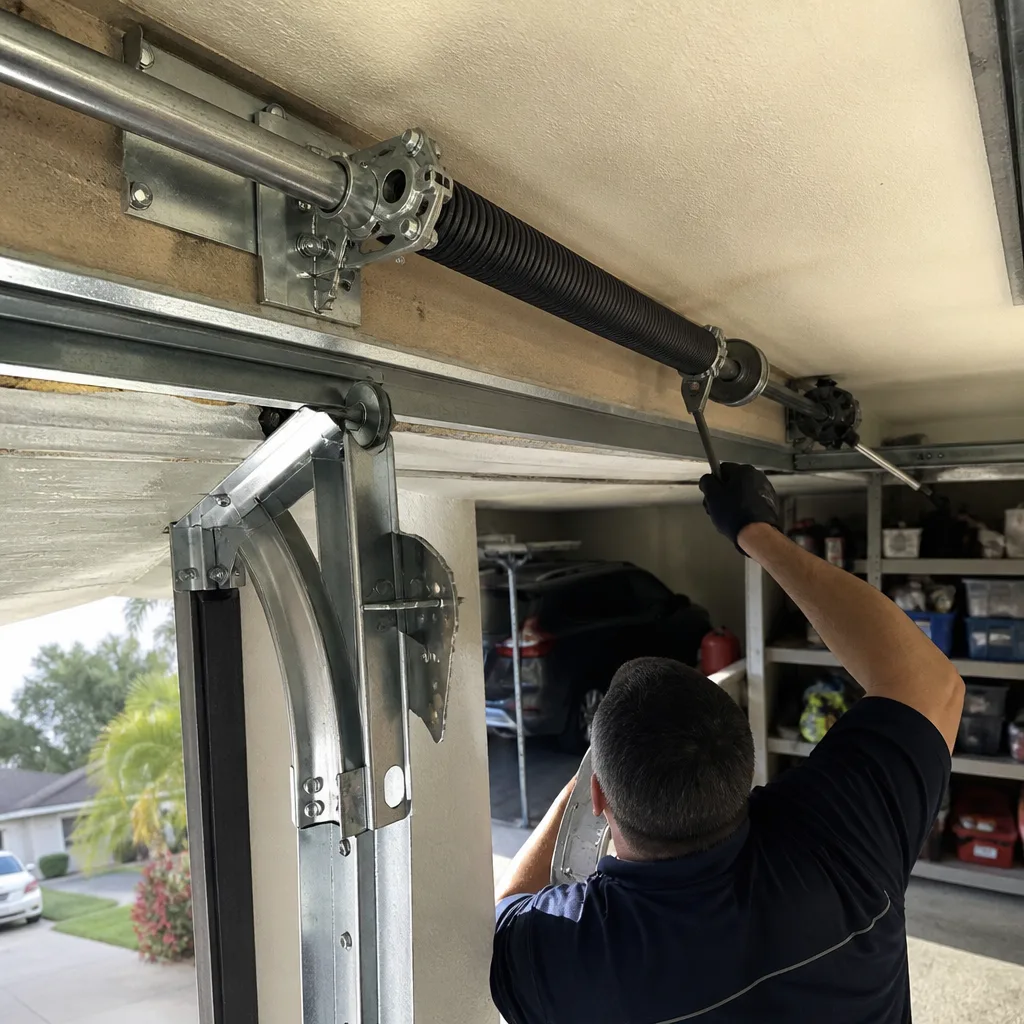 After
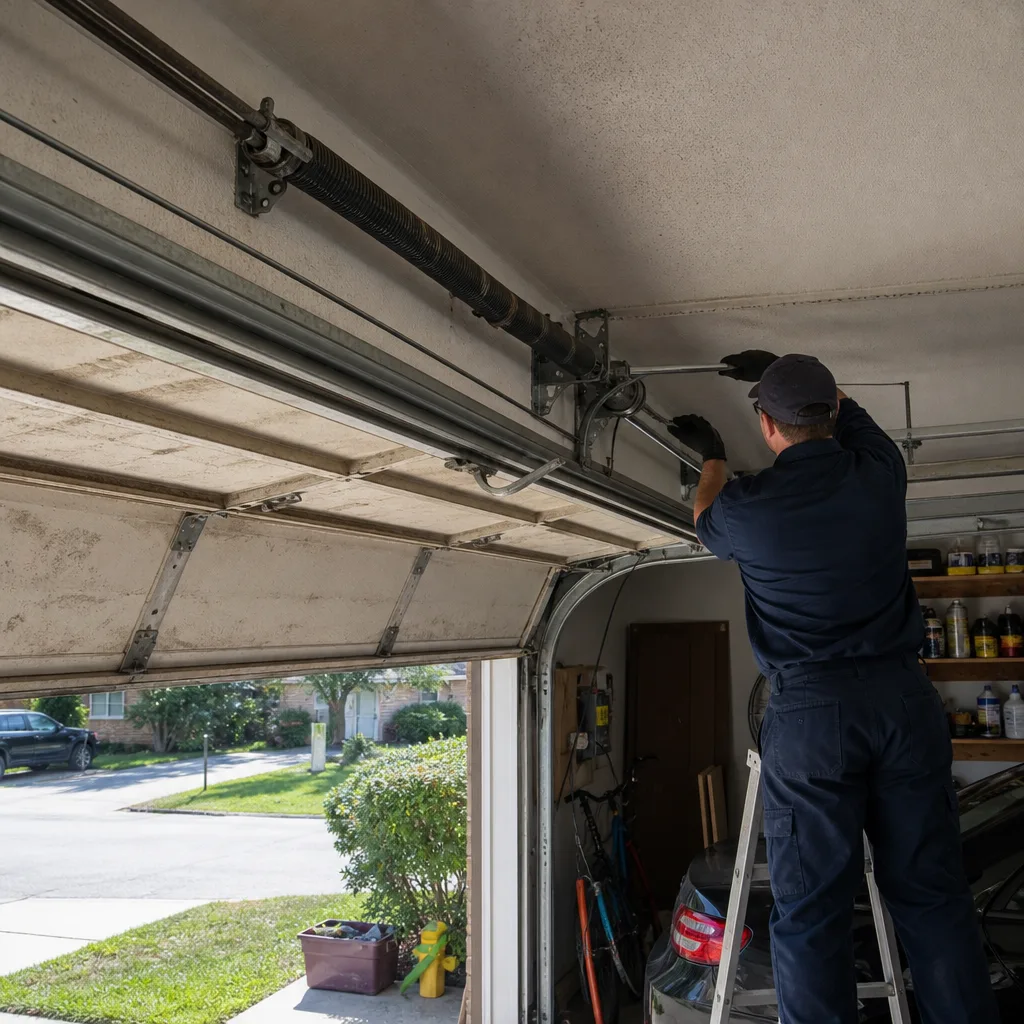 Before
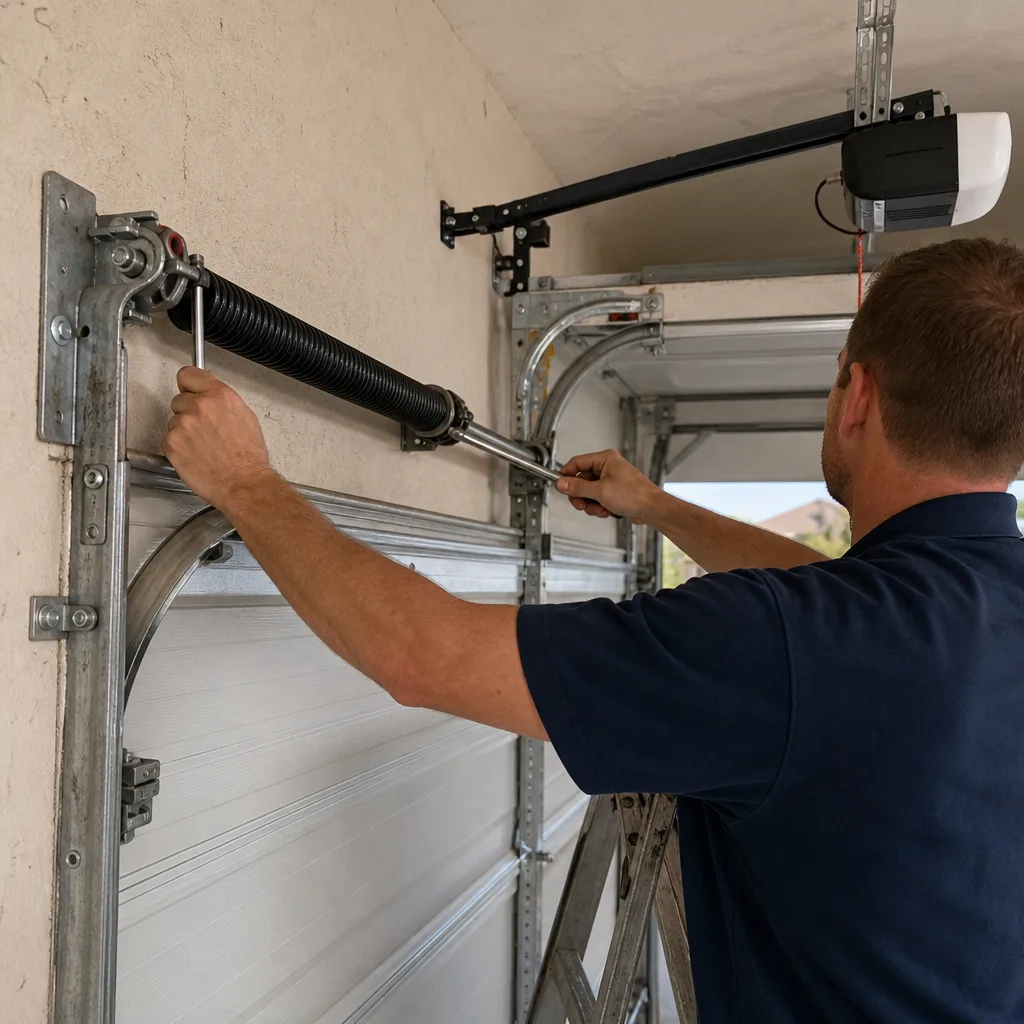 After
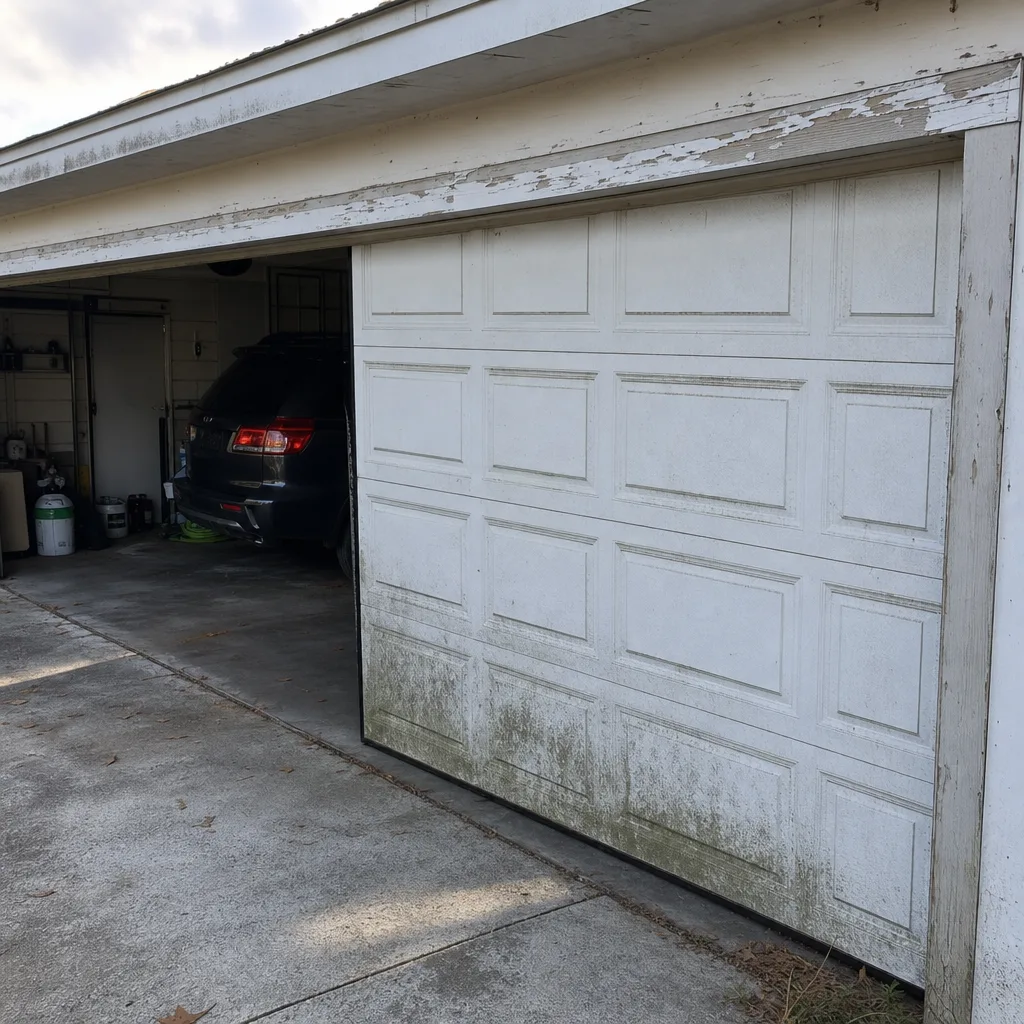 Before
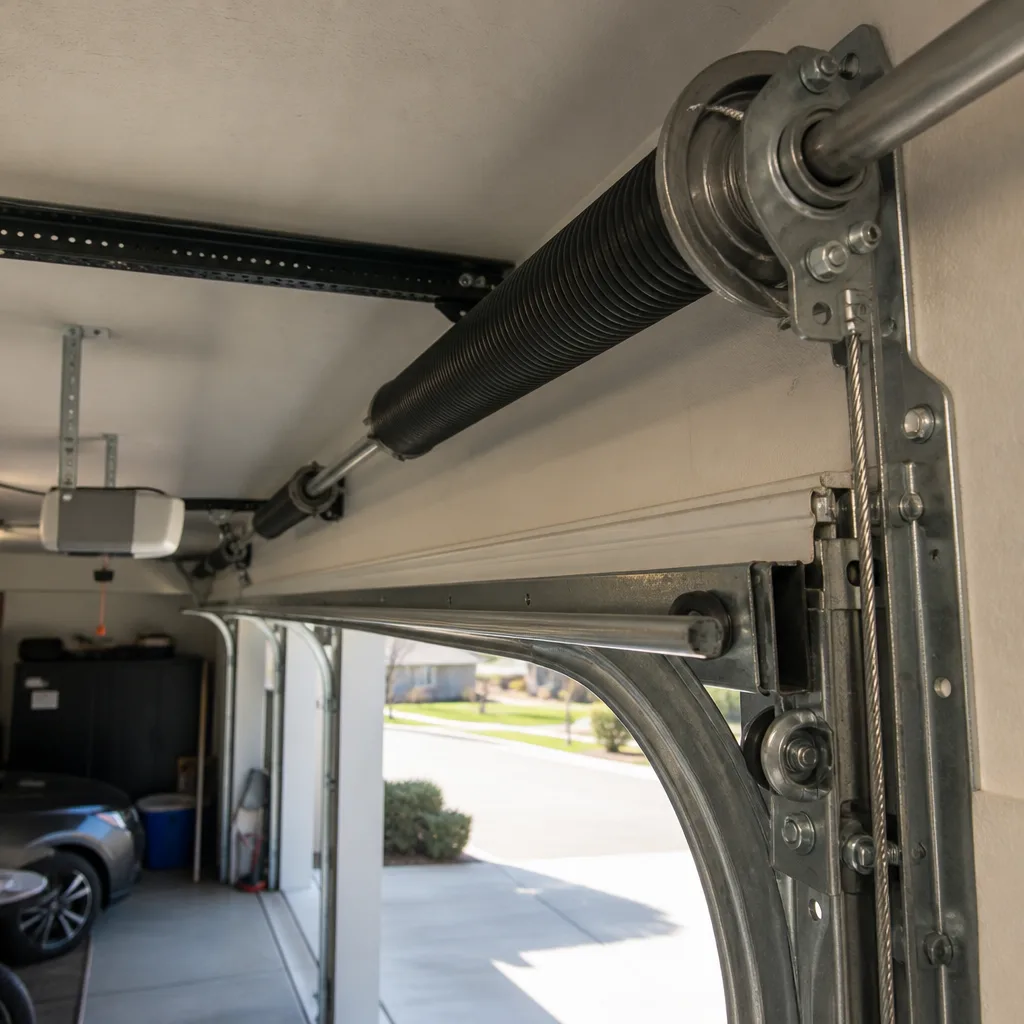 After