Last updated October 30, 2026
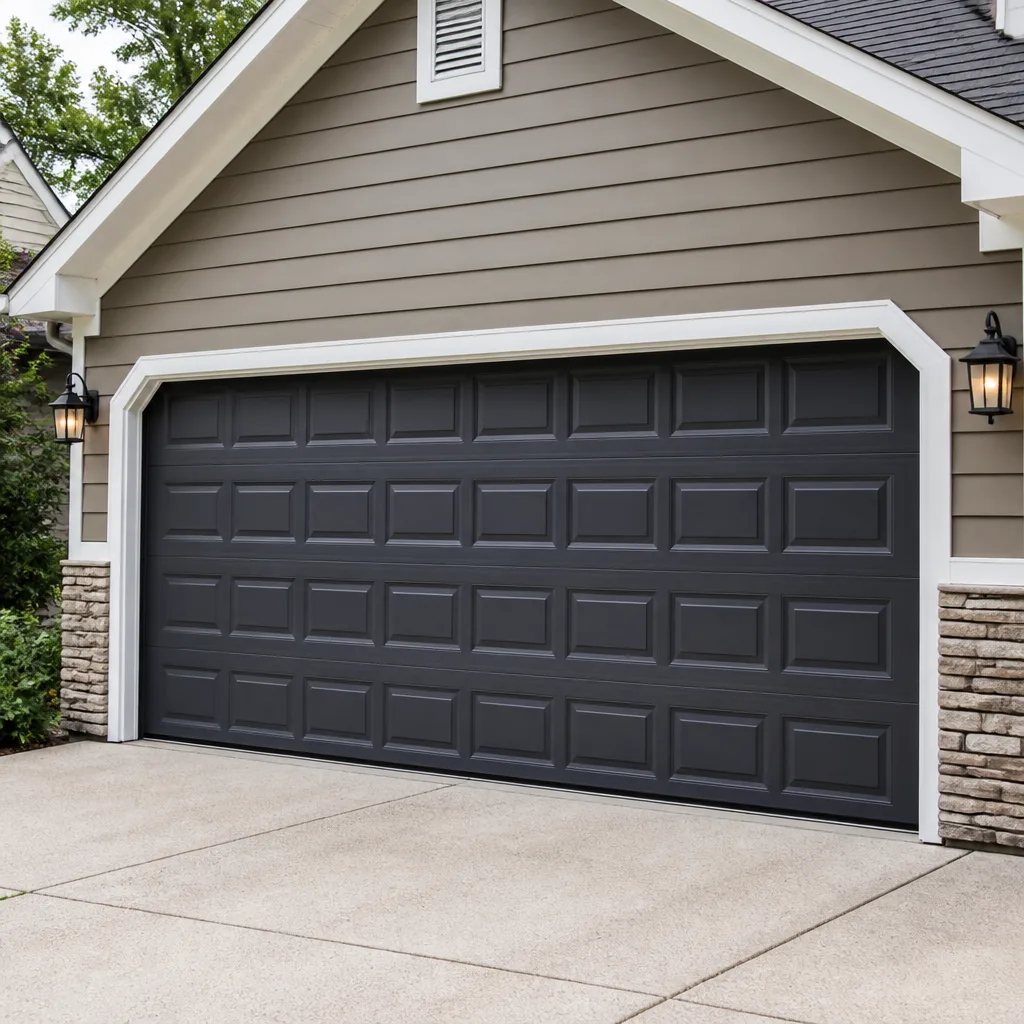 Raised-panel steel
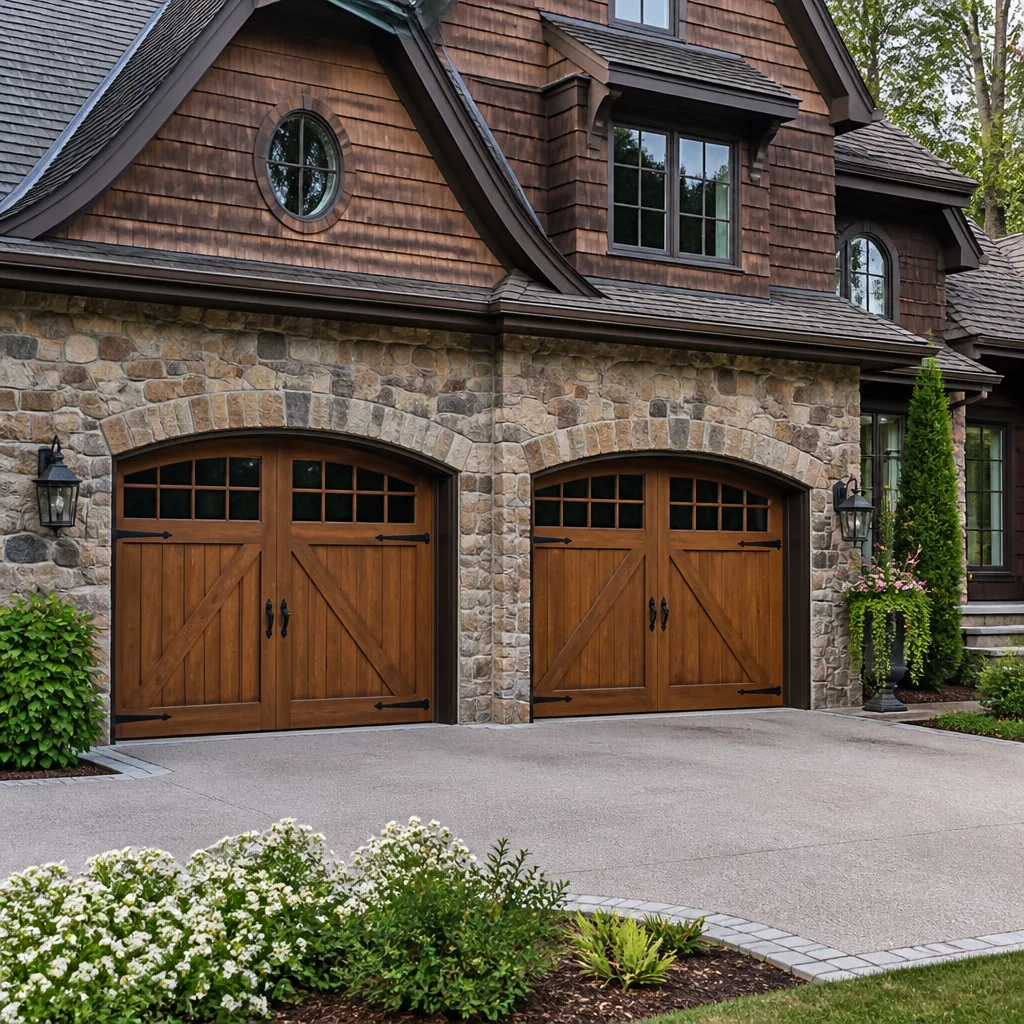 Carriage house
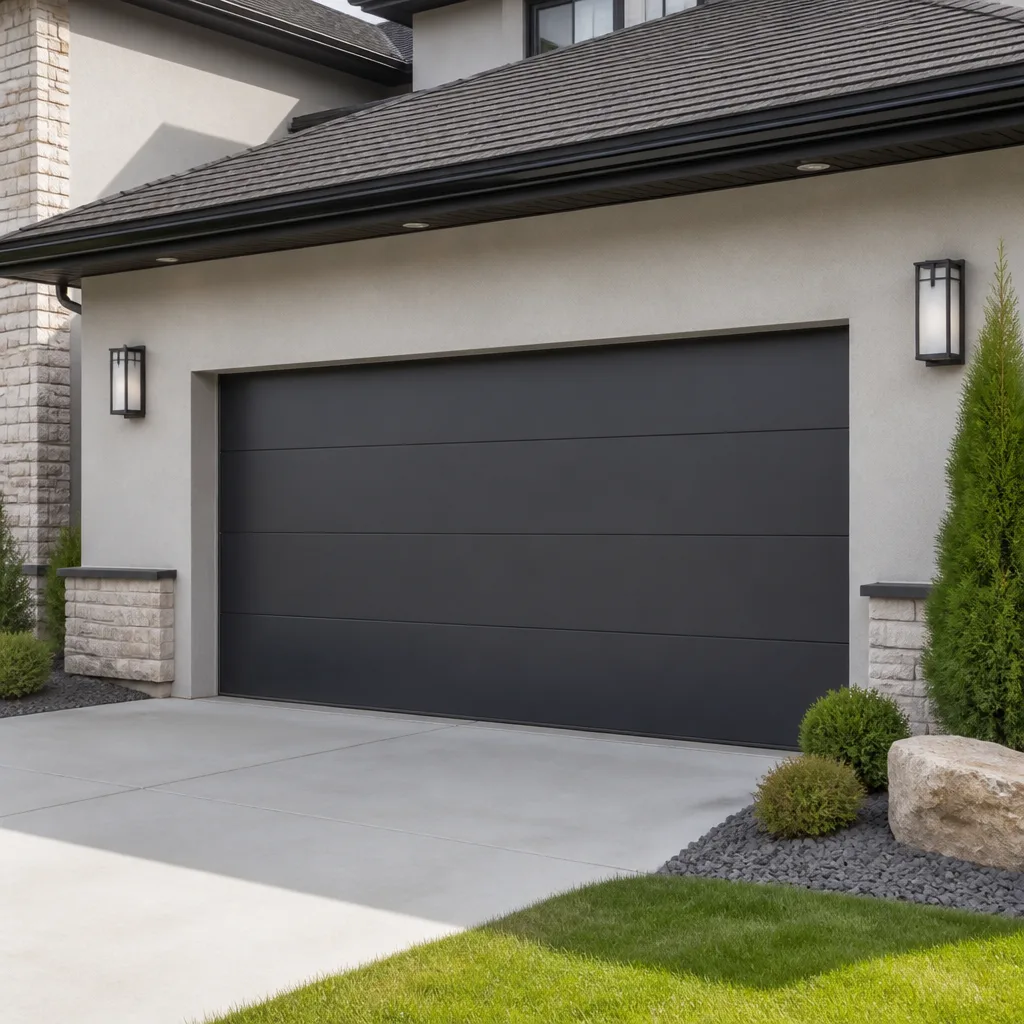 Modern flush
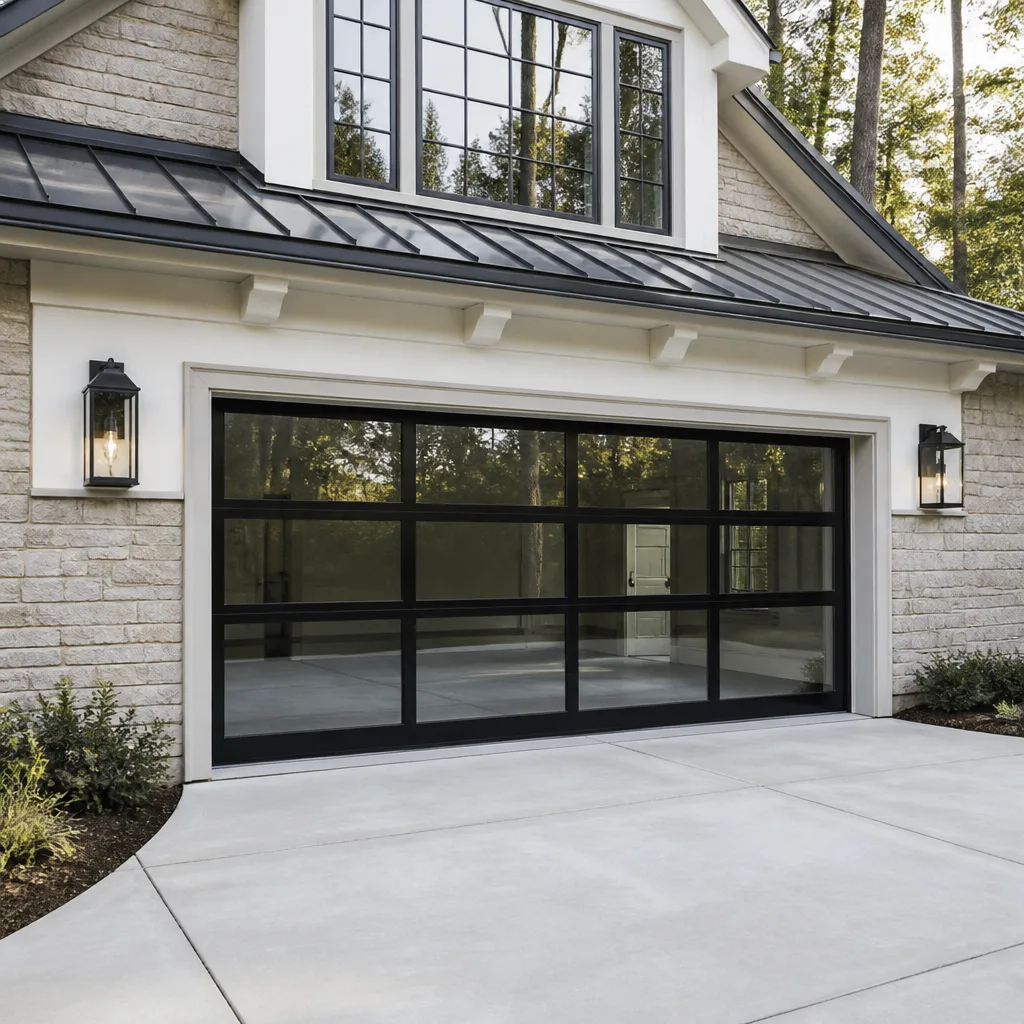 Full-view glass
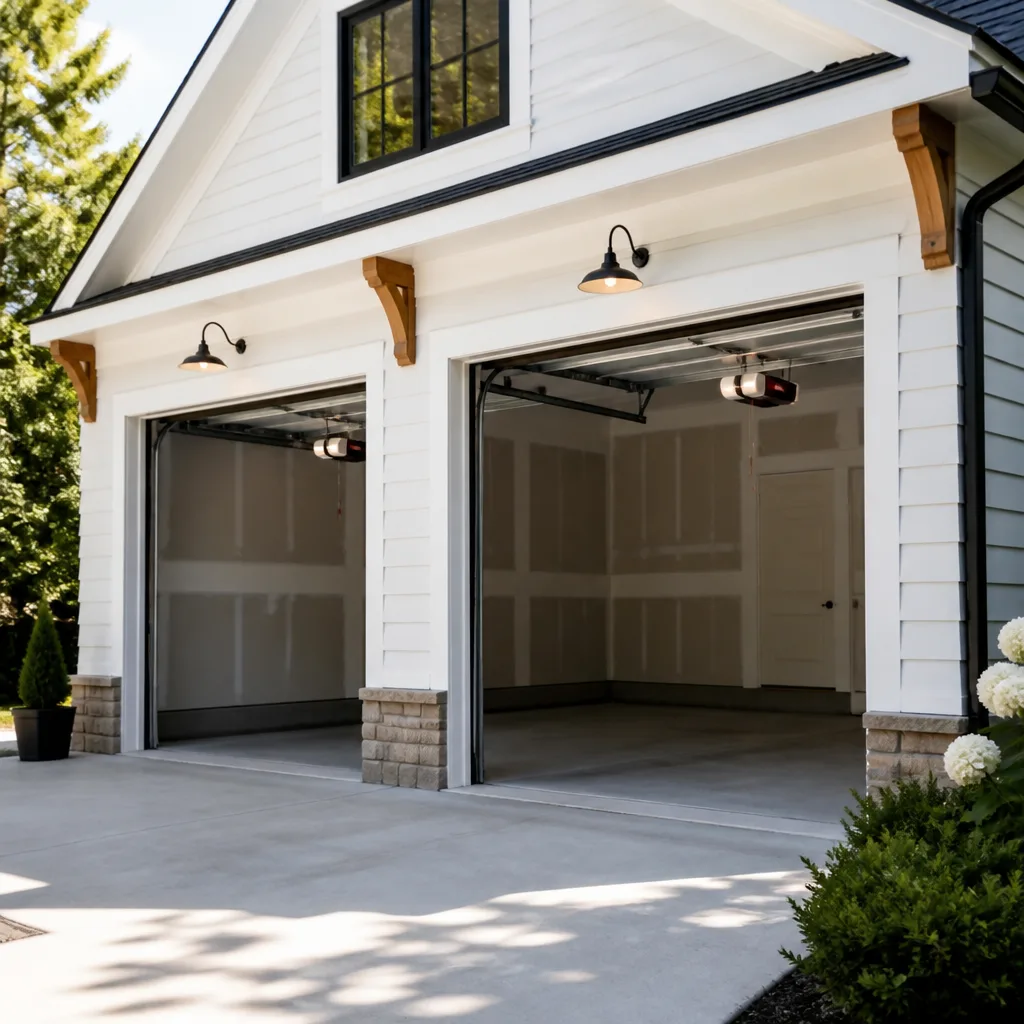 LiftMaster openers
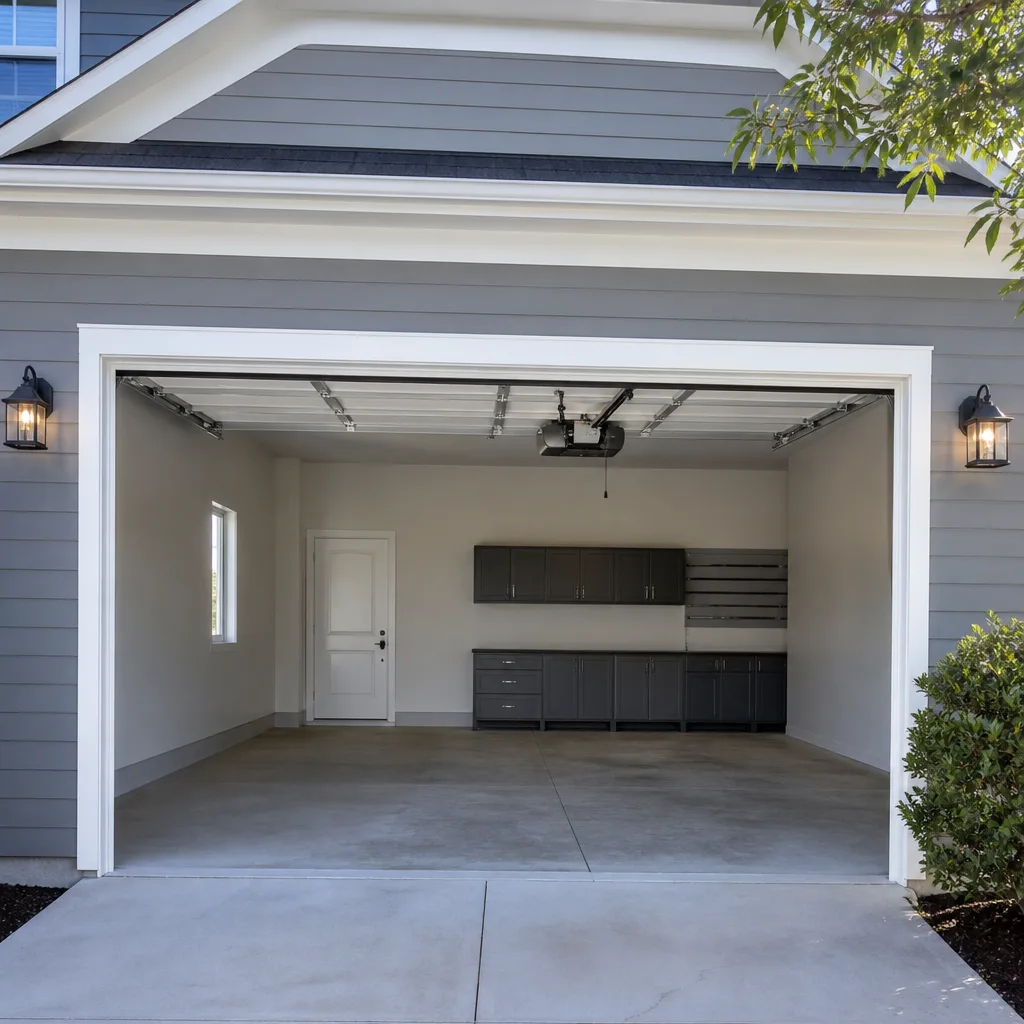 Chamberlain openers
Full 25-point door and opener safety check with every visit - springs, cables, rollers, tracks, and your LiftMaster or Chamberlain opener included
You get a price before we start. It does not change when the truck arrives.
Get your free estimateSeasonal Garage Door Care for Melbourne: Year-Round Homeowner’s Guide
In Melbourne, the most dangerous month for your garage door isn’t January. It’s May, the last month before hurricane season when most homeowners haven’t checked their door’s wind-load hardware since the previous October. The garage door is the largest moving object in your home and, during a storm, the single biggest point of failure. Wind gets behind it, racks the tracks, snaps the hinges, and suddenly your roof is doing the garage door’s job. This guide walks through what to actually do, and when, in a climate where salt air, UV, humidity, and hurricane force winds each leave their own signature on your door. For The Complete Guide to Garage Door in Melbourne, see our main resource page. We’ll cover the pre-storm inspection protocol most people skip, why dry season is the smart time for spring replacement, how humidity attacks opener circuit boards, and how to test safety features after a lightning strike.
Styles & brands we work with
Quick Answer
Seasonal garage door care in Melbourne means two things: a structural pre-hurricane-season inspection every May, and a dry-season maintenance and replacement window between November and April. The core tasks are checking wind-load hardware, lubricating rollers and hinges, testing the auto-reverse function, clearing track debris, and inspecting for rust or UV damage. Spread across the year, a homeowner can handle most of this in a few hours total, and the result is a door that holds during a named storm and an opener that doesn’t fail from condensation.
Table of Contents
- The May Pre-Storm Inspection Protocol
- Why Dry Season Is the Right Time for Spring Replacement
- Summer Humidity and Opener Circuit Boards
- The Fall UV Degradation Check
- Testing Auto-Reverse After a Lightning Storm
- The Monthly and Quarterly Routine
- Common Mistakes to Avoid
- When to Call a Professional
- Frequently Asked Questions
- The Bottom Line
The May Pre-Storm Inspection Protocol
Hurricane season in Melbourne runs from June 1 through November 30. By mid-May, every homeowner should have walked a specific checklist on their garage door. The purpose is not general maintenance. It is structural survival. When a named storm pushes a 100 mph gust against a double-wide door, the force translates to thousands of pounds pressing inward. The door is either braced and reinforced, or it is not. There is no in-between.
What matters, in order of consequence:
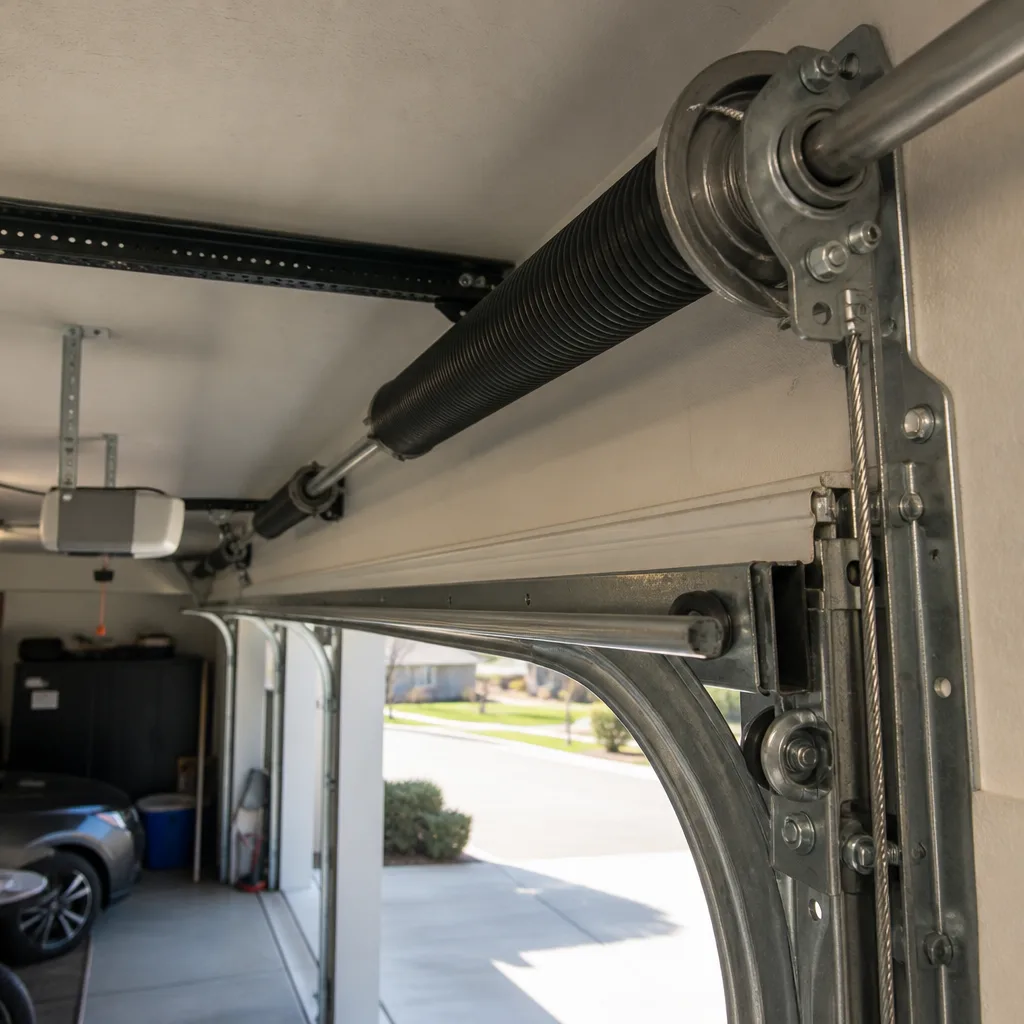
- Check the wind-load reinforcement posts. On a double door, these vertical struts run from the top panel to the bottom. In coastal Florida code, they are not optional. Inspect each one for rust at the attachment brackets, loose bolts, or any bend. If a post shows rust bloom around a bolt, that’s a failure point under load.
- Inspect the track brackets and lag screws. Every bracket that holds the vertical and horizontal track to the wall should have all its lag screws fully seated. Wood rot around a lag screw in a Melbourne garage means the screw is no longer doing its job. Push on the track near each bracket. Any movement is a warning.
- Test the balance manually. Pull the red release handle and lift the door by hand. It should stay open at about waist height. If it drops, the springs are worn or the cable tension is off. A door that won’t balance will fight the opener through storm season and is more likely to blow in.
- Examine the hinges and roller stems. Look for cracks radiating out from the hinge bolt holes. Salt air accelerates fatigue on cheap hinges. Rollers that wobble in the track add vibration that loosens hardware over weeks of daily cycles.
- Clear the bottom seal channel. The rubber gasket at the bottom of the door needs to sit flat and unbroken. A torn seal lets driven rain into the garage, which rots the bottom panel and, before long, the wall framing.
Homeowners in Eau Gallie, Suntree, Viera, and Indialantic all face the same May deadline, but older beachside homes and canal-front properties usually show hardware corrosion first. Salt in the air does more damage to garage door steel than rain does. We regularly see doors built in the early 2000s that need new hinges and brackets purely from salt exposure, even when the panels are still solid. If any item on the May checklist fails, the repair should happen before June, not after the first tropical wave forms off the African coast.
Why Dry Season Is the Right Time for Spring Replacement
Melbourne’s dry season, roughly November through April, is the one stretch of the year when garage door springs fail on a schedule you can plan around. This sounds counterintuitive, because most homeowners expect springs to break in the heat. They don’t. Torsion springs fail from fatigue, and the transition into the dry season brings wider overnight temperature swings. Cooler nights contract the steel. Thousands of contraction cycles, over years, create micro-fractures at the coil bends. When a spring finally snaps, it’s most often on a cool morning between December and February.
This matters for two reasons. First, a spring replacement in dry season is a planned, unhurried job. The door is not being held hostage by a 4 p.m. thunderstorm. Second, lower humidity means better conditions for lubricant to adhere and set on new hardware. Lubricating a torsion spring in August means applying grease to a surface already coated in condensation. In January, the same job takes minutes and the lubricant actually stays where you put it.
Most homeowners don’t know this because the industry rarely says it plainly. The reality is that a standard torsion spring has a finite life measured in cycles, usually 10,000 to 20,000 depending on the grade. A family that cycles the door four times a day will hit 10,000 cycles in about seven years. If you don’t know the age of your springs, and you’ve owned the home longer than seven years, the dry season is the time to have them inspected and measured. Replacing both springs at once, even if only one has failed, is standard practice. They’re installed as a matched pair and wear at the same rate.
For a deeper look at how spring failure happens and what repair involves, see our Garage Door Repair in Melbourne page. In this climate, a spring replaced in February lasts longer than one replaced in July, all else equal. That’s not marketing. It’s metallurgy and relative humidity.
Summer Humidity and Opener Circuit Boards
From June through September, Melbourne’s humidity typically sits above 85 percent nearly every morning. Garage door opener circuit boards are not sealed against this. Most residential openers, from a LiftMaster belt drive to a Craftsman chain drive, have a logic board inside the motor housing with exposed solder joints and tiny surface-mounted components. When humid air condenses on a cool board, it creates a micro-layer of moisture. Over weeks, that layer corrodes solder pads and traces.
The first symptom is usually a door that opens but won’t close, or closes and immediately reverses. Another common one is the opener losing its travel limits, so the door stops two feet short of the floor. Both point to condensation inside the housing. If you open the cover and see a white or green powdery residue on the board, that’s corrosion already underway.
What to do in a Melbourne summer:
- Check for standing moisture in the motor housing once a month during the humid season. If you see beading on the inside of the cover, the unit needs better airflow or a dehumidifier in the garage.
- Keep the garage door open for five minutes after driving in a rain-wet car. That humidity has to go somewhere. Venting it early keeps it out of the opener.
- If the opener is a Chamberlain or LiftMaster model with a DC motor, don’t mount it near the garage’s water heater. The extra heat cycles make the condensation problem worse.
- Test the auto-reverse and pressure settings after any lightning storm, which we cover below. A logic board zapped by a nearby strike may partially fail, retaining enough function to open but not to reverse under load.
Condensation damage is progressive, and by the time the opener misbehaves daily, the board usually isn’t salvageable. Replacing a control board is often half the cost of a new opener, which is why an honest diagnosis matters. If you’re seeing consistent opener failure in summer humidity, see our Garage Door Opener Repair page for what to expect from a service call.
The Fall UV Degradation Check
Melbourne’s summer sun is relentless. Painted steel and composite garage doors take a beating from UV that most homeowners never notice until the paint fails. By late September or October, before the angle of the sun drops and the heat eases, walk around the outside of your door and look for the specific failure pattern that UV causes.
On painted steel, the first sign is chalkiness. Run a finger over the surface. If it leaves a fine white powder on your hand, the topcoat is oxidizing. The next stage is fading that’s uneven, usually strongest on the west-facing side or the top panel, which gets direct sun all afternoon. The final stage, and the one to catch early, is micro-cracking that lets moisture through to the steel below. On a composite door, UV causes fading and, over years, a surface brittleness that shows as fine crazing under direct light.
The fall check is simply a walk-around with a towel and a sharp eye. Here’s what to look for:
- Chalk or powder transfer on your hand after rubbing the paint.
- Uneven color between the top panel and the bottom panel.
- Hairline cracks in the paint film, especially near the panel edges and around hardware holes.
- Rust streaks starting under the bottom seal channel where salt spray from the Intracoastal settles.
- Brittleness or flaking at panel seams on composite doors.
What a homeowner can do: wash the door twice a year with a mild soap and a car wash mitt, not a pressure washer, which forces water under the panel joints. Touch up chips with an automotive-grade touch-up paint matched to the door color. If the chalkiness is heavy across multiple panels, a professional repaint or a new door chosen with our Choosing the Right Garage Door Brand: A Buyer’s Guide for Melbourne is in the near future. Paint failure on a garage door in Melbourne is not the same as paint failure on a garage door in Ohio. UV here is a year-round force multiplier, and by the time a homeowner sees rust, the panel is usually too far gone to save.
Testing Auto-Reverse After a Lightning Storm
Central Florida leads the United States in lightning strikes per square mile. Brevard County gets thunderstorms from May through October, and a direct strike on a power line half a mile away can send a voltage spike into a garage door opener’s logic board. The most dangerous outcome is not a dead opener. It’s an opener that appears to work but has lost its entrapment protection settings.
Every opener sold since 1993 has an automatic reversal mechanism: either a photocell sensor near the bottom of the track or a pressure-sensing reverse in the motor itself. If a surge resets the force settings, the opener may reverse too weakly, or not at all, when the door meets an obstruction. A door that doesn’t reverse under load is a serious injury hazard, particularly for children and pets.
After any storm with close lightning, run this simple test:
- Place a 2×4 flat on the ground directly under the center of the door’s path.
- Close the door using the opener. The door should make contact with the 2×4 and reverse to the open position within two seconds.
- If it doesn’t reverse, or if it strains against the board for more than a second, the force settings are wrong. Disconnect the opener and operate the door manually until it’s repaired.
- Also test the photo-eye sensors. With the door opening, wave your hand through the beam near the floor. The door should stop or reverse.
We’ve seen Raynor and Chamberlain openers take moderate surges and continue operating for months while slowly marching their force settings out of spec. The owner believes everything is fine because the door opens and closes. But the safety margin is gone. If you have any doubt after a big storm, have the opener bench-tested. It’s less expensive than what a door closing on something it shouldn’t costs.
The Monthly and Quarterly Routine
Between the big seasonal tasks, there’s a light routine that keeps the door running quietly and catches problems before they become failures. Most of this is a 10-minute monthly habit and a slightly deeper quarterly one.
Monthly (10 minutes):
- Listen to the door cycle once. A healthy door is smooth and low. Grinding, squealing, or a rhythmic thump points to a specific issue: rollers, springs, or track alignment.
- Check the track for debris. Melbourne winds carry sand, palm fronds, and leaf litter into the track channels. A pebble in the track scratches the roller and eventually the rail.
- Test the auto-reverse with a roll of paper towels. If the door doesn’t reverse, it’s a problem today, not next month.
- Look at the safety cables. These run through the extension springs on older doors and are there to contain the spring if it snaps. A frayed safety cable is doing nothing.
Quarterly (30 minutes):
- Clean the photo-eye lenses with a dry cloth. Salt film builds up and causes false obstructions.
- Lubricate the rollers, hinges, and torsion spring with a garage-door-specific lubricant. Not WD-40. A lithium or silicone spray.
- Inspect the weatherstripping on the sides and bottom. Replace if torn.
- Check all visible bolts and lag screws for tightness. Coastal humidity loosens hardware over time.
This routine applies to every brand we work on, whether it’s a 1998 Raynor steel door or a brand-new Clopay composite. The fundamentals don’t change. What changes in Melbourne is the rate at which salt, sand, and humidity accelerate wear. A door in Colorado can skip a quarter and be fine. A door in Melbourne shows it.
Common Mistakes to Avoid
- Lubricating the track. The track is not a lubrication point. Grease on the track attracts sand and grit, which grinds the rollers down. Lubricate the roller bearings and hinges, not the rail itself.
- Ignoring a slow reversal. If the door reverses slowly or strains before reversing, the force setting is marginal. Homeowners often shrug it off because the door “still works.” Marginal force settings are a hazard waiting for a child or a pet.
- Waiting until June to schedule a May inspection. By the time a tropical storm is in the Gulf, every garage door company in Brevard County is booked. The inspection that takes an hour in May becomes a scramble in June.
- Replacing only one spring. Torsion springs are a matched pair. Replacing one leaves the door with unequal tension, which wears the opener and the new spring prematurely. If one fails, both should be replaced.
- Painting over rust without treating the steel. A quick scuff and a coat of paint on a rusty panel looks fine for six months, then the rust blooms through. Proper rust conversion requires removing the rust or using a chemical converter. On a structural component like a bottom panel, rust is a replacement issue, not a paint issue.
- Disabling the photo-eye sensors. It happens more often than anyone admits, usually because a sensor keeps getting kicked by a bike or a garbage can. Disabling an entrapment protection feature to solve an alignment problem is the wrong trade. The sensors need realignment, not disconnection.
- Assuming a new home has a new door. Builders install budget doors and openers. A five-year-old home often has a door that’s already at the midpoint of its useful life. Age of hardware, not age of home, is what matters.
When to Call a Professional
Some jobs are homeowner tasks. Others require a specialist with the right tools and the right eyes. Call a professional when a torsion spring breaks. Torsion springs are under hundreds of pounds of tension, and the release of that tension without proper winding bars can be lethal. Call when the door is off-track and the rollers are out of the rail, when the opener’s force settings won’t hold after a surge, and when the bottom panel is rusted through or cracked at the seam. If you ever watch the door cycle and can’t identify the noise you’re hearing, that’s a reason to call, not a reason to wait. Ironstone Garage Door Repair offers free estimates in Melbourne, and a service call that catches a failing bracket in May costs less than a door replacement after October. For more guides & resources, visit our blog. Call (866) 472-4163.
We work on LiftMaster, Chamberlain, Genie, Clopay, Amarr, Wayne Dalton, Craftsman, and Raynor. Bring us the brand, the symptom, and the age of the door. We’ll tell you straight whether it’s worth repairing or whether replacement makes more sense. See our Garage Door Installation in Melbourne page if you’re starting to think that door from 2006 has done its duty.
Frequently Asked Questions
Every three months, and use a garage-door-specific silicone or lithium spray, never WD-40. In Melbourne’s salt air, quarterly lubrication is the minimum to keep rollers and hinges from corroding and getting noisy. Focus on the roller bearings, hinge pins, and the torsion spring coil. Skip the track itself.
It genuinely does. A double garage door presents roughly 150 square feet of surface area to hurricane-force wind. Without working reinforcement struts and properly anchored tracks, that surface area turns into a sail. Doors blow in, and when the garage door goes, the roof often follows because of the pressure change. The pre-season inspection matters.
You can, and you shouldn’t. Torsion springs are wound under enough tension to break bone or kill if the winding bar slips. Even experienced mechanics who don’t do garage doors daily misjudge the release. This is a job for someone who carries the right bars and has done it hundreds of times. The risk isn’t worth the few hundred dollars saved.
Humidity condenses inside the motor housing and corrupts the logic board. Melbourne summers run 85 percent humidity or higher most mornings, and that moisture is exactly what circuit boards don’t need. Symptoms are the door refusing to close, losing its limits, or reversing for no visible reason. Ventilating the garage and checking the board for condensation are the first steps.
A well-maintained steel or composite door in Melbourne typically lasts 15 to 20 years. A door that’s never lubricated, never washed, and never inspected may fail in 10. The panel material matters less than the maintenance. Salt air eats hardware first, so even a door with good panels may need new hinges, brackets, and rollers at year 10.
Do a quick visual inspection of the track alignment and panel condition. Then test the auto-reverse with a 2×4. Run the door through a full cycle and listen for grinding or binding. If anything sounds or looks off, call for a service check before the next front moves through. Storm damage worsens with every cycle. Calling (866) 472-4163 for a free estimate is the fastest way to know if what you’re seeing is cosmetic or structural.
The Bottom Line
Seasonal garage door care in Melbourne comes down to knowing what this climate does to steel, electronics, and paint, and acting on that knowledge before the weather does. The May pre-storm inspection is the non-negotiable. Dry-season spring replacement is the smart play for durability. Summer humidity demands monthly opener checks. Fall is when UV damage reveals itself, and after every close lightning strike, the auto-reverse test should be automatic. Do these things and the door lasts longer, runs quieter, and holds up when it matters. Skip them and the garage door becomes the most expensive problem in the house after a storm. That’s the choice, every year. For a professional inspection or a second set of eyes on anything you’ve seen, call (866) 472-4163. We’re the Ironstone Garage Door Repair home team, and we work on your brand, whatever it is.
Written by the team at Ironstone Garage Door Repair, serving Melbourne since 2016.
See the difference
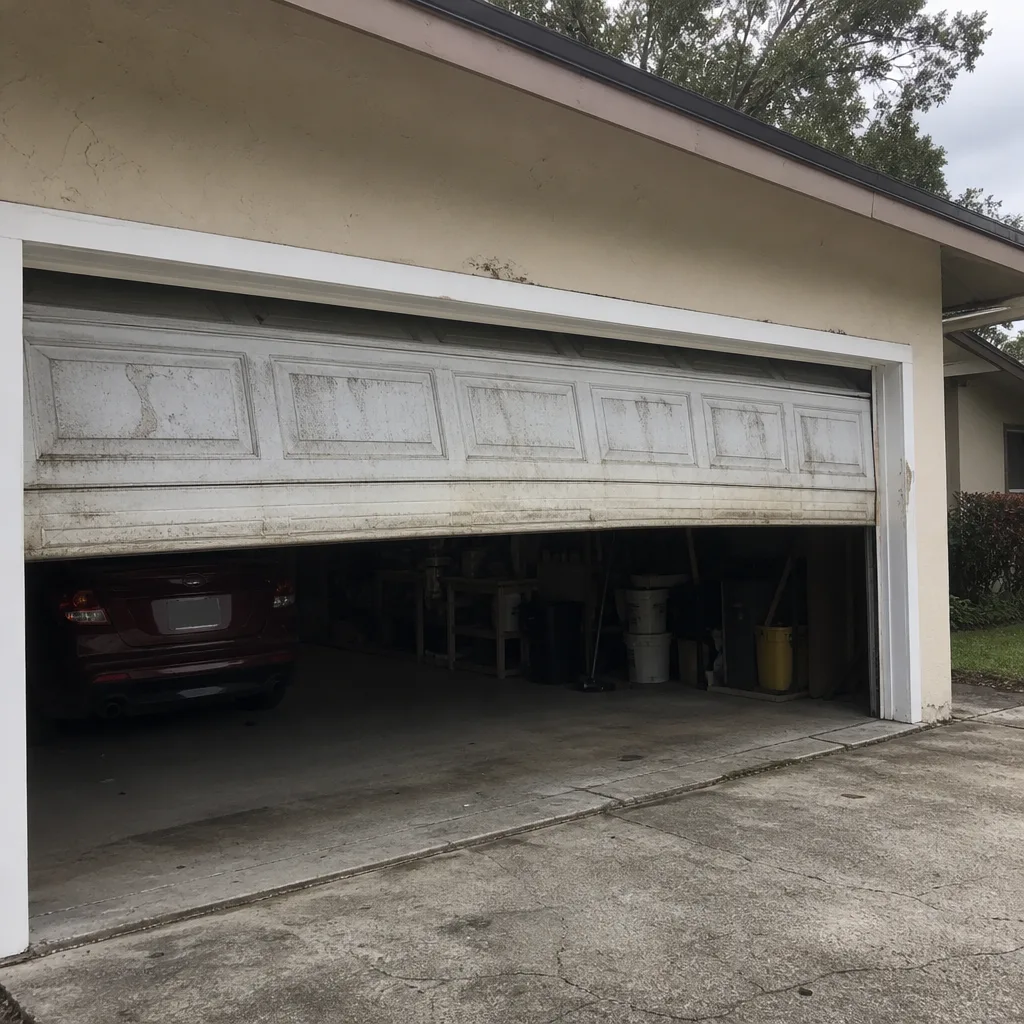 Before
 After
 Before
 After
 Before
 After