
Last updated October 30, 2026
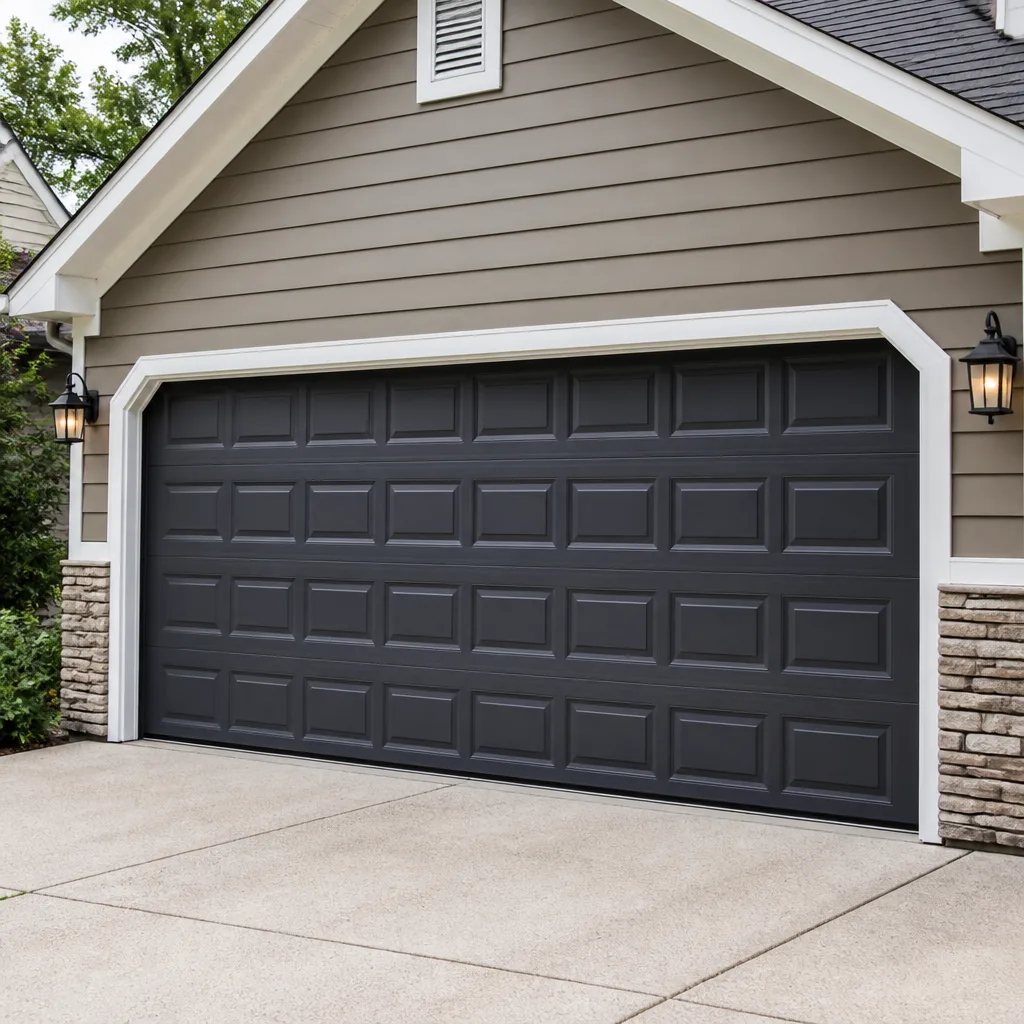 Raised-panel steel
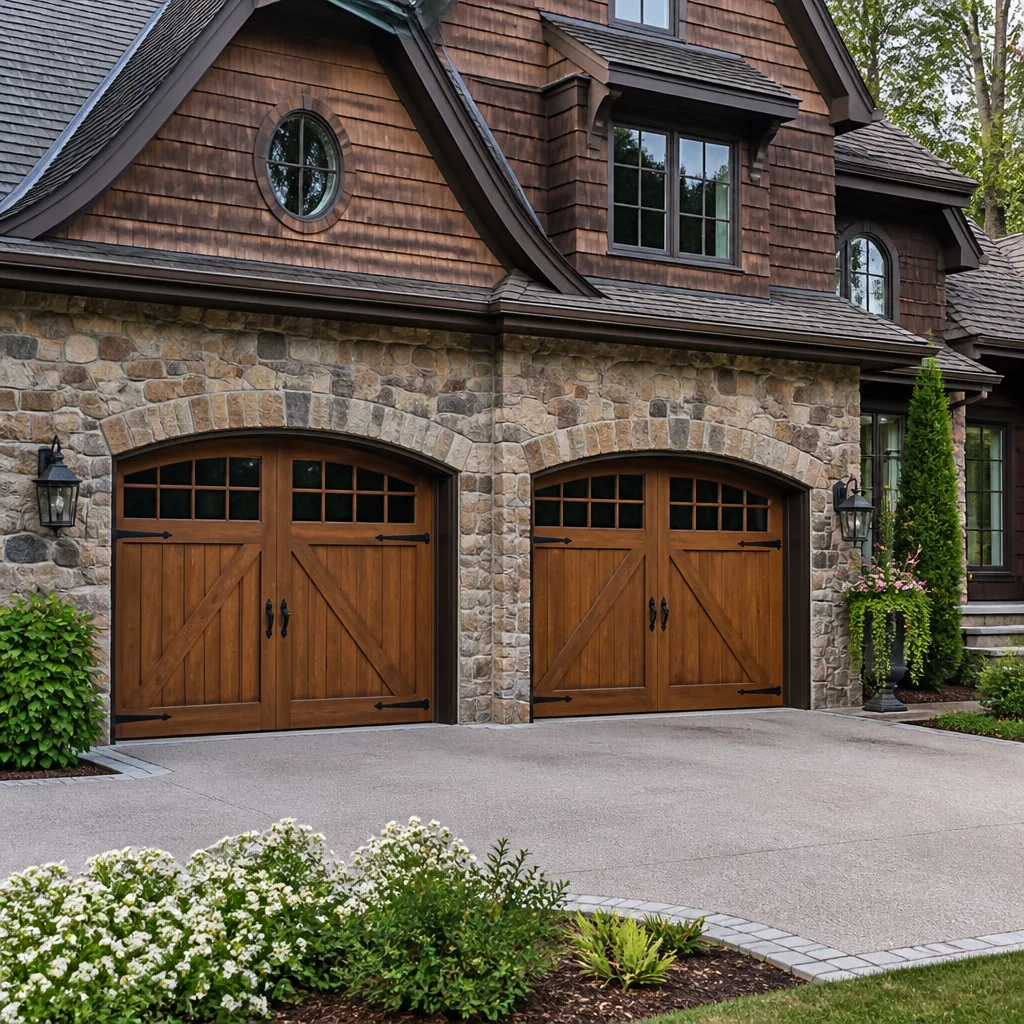 Carriage house
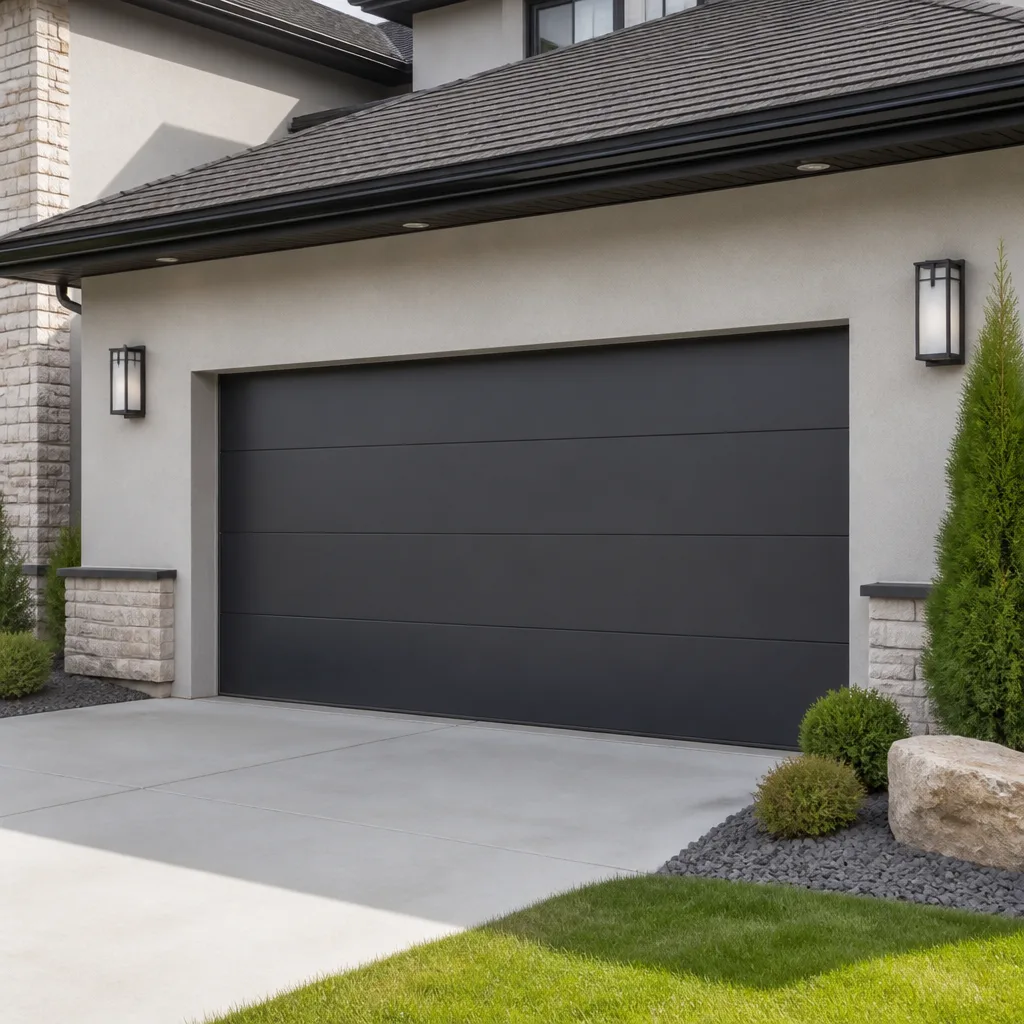 Modern flush
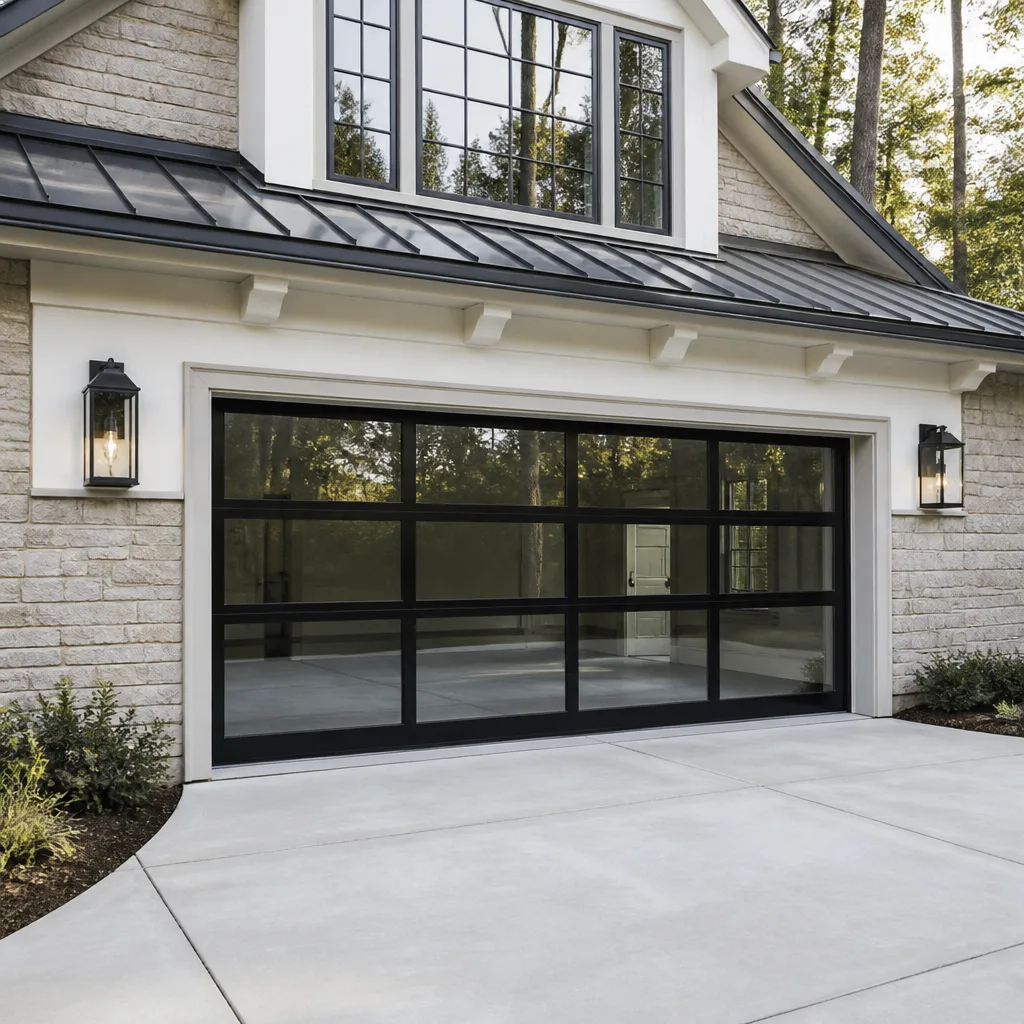 Full-view glass
 LiftMaster openers
 Chamberlain openers
Full 25-point door and opener safety check with every visit - springs, cables, rollers, tracks, and your LiftMaster or Chamberlain opener included
You get a price before we start. It does not change when the truck arrives.
Get your free estimateGarage Door Permits, Codes & Inspections in FL: What You Need to Know
A Florida homeowner in Brevard County replaced her garage door after a storm, matched the old one panel-for-panel, and assumed no permit was needed because it was a like-for-like swap. Four years later, after hurricane winds tore the roof off her Melbourne home, her insurance adjuster found the unpermitted door installation, flagged the structural integrity of the attached garage, and denied the claim. The permit would have cost about $75. The lesson sticks with every garage door professional in this state: Florida treats garage doors as part of the building envelope, and Brevard County treats them as part of the wind-resistance system. This guide explains exactly when you need a permit, what the codes require, how inspections work, and what happens if you skip the paperwork. For Garage Door Warning Signs: A Melbourne Homeowner’s Reference Guide, see our related resource.
Styles & brands we work with
Quick Answer
In Florida, specifically Brevard County and the city of Melbourne, a garage door replacement generally requires a building permit when the door is being replaced with a different size, a different weight, or a different wind-load rating than the one originally installed. A permit is also required for new installations and any work involving structural components. Simple like-for-like repairs such as replacing a spring, panel, or opener typically do not require a permit, but Brevard County’s 140 mph wind-resistance standard and Florida Building Code Chapter 16 mean the bar for what counts as “like for like” is higher than most homeowners think.
Table of Contents
- When Does a Garage Door Replacement Require a Permit in Florida?
- Brevard County’s Wind Speed Standards and What They Mean for Your Door
- The HVHZ Label: What It Is and Whether Melbourne Homes Need It
- The Permit Process in Brevard County: A Step-by-Step Walkthrough
- What the Inspector Actually Checks and How Long It Takes
- How an Unpermitted Garage Door Affects Your Insurance and Property Sale
- Common Mistakes to Avoid
- When to Call a Professional
- Frequently Asked Questions
- The Bottom Line
When Does a Garage Door Replacement Require a Permit in Florida?
The Florida Building Code treats a garage door as part of the exterior envelope, not as a freestanding appliance. That means the decision to issue a permit hinges on whether the work alters the structural or wind-resistance properties of that envelope. The practical threshold, under Florida Building Code Section 105.1 and the permitting guidance Brevard County publishes, comes down to one question: does the new door match the original door’s size, weight, and wind-load rating? If the answer is yes in all three categories, the work is often classified as a repair and may not require a permit. If the answer is no in any one category, you’re doing a replacement, and Brevard County expects a permit application before the first panel comes off the track.
The specific triggers that push a garage door job into permit territory include:
- Changing the door size: Widening or heightening the opening requires structural modifications to the header, jambs, and possibly the foundation. This is always a permit job, no exceptions.
- Switching from a non-impact door to an impact-rated door: The weight difference between a standard steel door and a hurricane-rated impact door can be substantial. The tracks, springs, and mounting hardware all need to be recalibrated or replaced, and the county wants to inspect that work.
- Switching from an impact door to a non-impact door: This is a downgrade in wind resistance and will not pass a permit review in Brevard County. The county’s wind-load maps do not allow weakening the envelope.
- Installing a door on a new construction or an addition: Every new garage opening requires permit approval as part of the broader building permit, or as a standalone permit if the garage is being added later.
- Replacing a door where the original installation was itself unpermitted: In Brevard County, a garage door with no permit history often means the county has no record of its wind-load rating. A contractor or homeowner wanting to replace it will likely need to bring the opening up to current code, which means a permit.
What does not require a permit in Melbourne or anywhere else in Brevard County? Replacing a broken torsion spring, swapping out a bent track section, replacing individual panels on an existing door where the replacement panels match the original weight and construction, and repairing or replacing the garage door opener itself. An opener is an electronic device mounted to the existing door infrastructure, and no county in Florida treats an opener swap as structural work. Garage door opener repair in Melbourne falls under ordinary maintenance, not construction.
We’ve seen the confusion play out both ways in Melbourne. A homeowner replaces a single dented panel with what looks like the same panel, no permit, fine. Another homeowner replaces three panels with aftermarket panels of a different gauge and insulation type, no permit, then sells the house and the buyer’s inspector flags the mismatch against the county’s wind-load records. The weight of the door had shifted, the spring balance was off, and the whole opening fell out of compliance. The fix ended up costing more than the original repair.
Brevard County’s Wind Speed Standards and What They Mean for Your Door
Brevard County sits in a high-wind region of Florida’s east coast, and the governing design standard for residential garage doors is a wind speed of 140 mph for new construction and permitted replacements. That number comes from the Florida Building Code’s wind-load maps and applies to the inland and coastal portions of the county alike, though coastal barrier island homes in communities like Melbourne Beach and Indialantic may see higher pressures from the same wind speeds due to exposure categories. What this means for a homeowner is direct: a garage door purchased at a national big-box store might not be rated for 140 mph, and installing it in Melbourne without checking the label creates a code violation the county will catch at permit review, or an insurance problem later if no permit is pulled at all.
The 140 mph figure is not about the door surviving a Category 4 hurricane intact. It is about the door’s resistance to wind-driven pressure and debris while maintaining structural connection to the surrounding wall. A garage door is the largest opening on the face of a typical Florida home, and when it fails during a storm, the pressure differential can lift the roof. The code treats the garage door as part of the roof system, not as a convenience feature.
For a Melbourne homeowner, the practical checklist before buying a replacement door looks like this (and for more guides & resources, visit our blog):
- Check the door’s design pressure rating: The door must be rated for the required design pressure for your specific location, which Brevard County’s permit office can confirm. The label on the door or its documentation will list a DP rating in pounds per square foot.
- Verify impact resistance if the opening is not protected by a shutter: Garage doors in much of Brevard County either need to be impact-rated themselves or protected by an approved storm barrier. The impact rating is typically identified by a missile test standard, often ASTM E1996, and will be printed on the door’s compliance label.
- Match the track and hardware to the door rating: A 140 mph door hung on light-gauge tracks is not a 140 mph installation. The code requires the full assembly, including tracks, brackets, hinges, and fasteners, to meet the wind-load standard.
- Confirm the spring and counterbalance design matches the door weight: A heavier impact door needs springs calibrated for that weight. Undersized springs wear quickly, cause opener strain, and can fail catastrophically.
Brevard County allows some older homes to remain with their existing doors unless the door is replaced or the home is renovated in a way that triggers full building review. That grandfathering does not transfer to a new installation. Once you take the old door down and hang a new one, the new assembly must meet the current wind-load code. That is one reason a like-for-like replacement can still trigger a permit: the county wants documentation that the new door, even if it looks identical to the old, carries a current no-maintenance wind-load certification from the manufacturer. Many older doors have no legible label anymore, and proving equivalence without manufacturer documentation is nearly impossible.
This is where working from a manufacturer-specific understanding matters. Brands like Amarr and Wayne Dalton each publish detailed wind-load documentation for specific models and sizes, and that documentation is what the permit reviewer in Brevard County wants to see attached to the application. A contractor who knows where to source the engineering sheets from Amarr, or who can identify a Wayne Dalton model’s design pressure rating by its serial plate, can move a permit application through review faster than someone starting from a blank vendor quote.
The HVHZ Label: What It Is and Whether Melbourne Homes Need It
HVHZ stands for High-Velocity Hurricane Zone, and it is the stricter wind-resistance standard Florida applies to Miami-Dade and Broward counties. Brevard County is not in the HVHZ. Homes in Melbourne, Palm Bay, Cocoa, and Viera are governed by the Florida Building Code’s standard wind-load provisions for the region, which are substantial but not the same as the Miami-Dade product approval system. A Melbourne homeowner does not need to purchase a door with a Miami-Dade NOA (Notice of Acceptance) or an HVHZ-specific label. That label is a requirement for installations in South Florida, not for Brevard County.
However, the distinction creates a practical market reality. Many manufacturers, including Amarr and Wayne Dalton, produce doors that are tested to both HVHZ and non-HVHZ standards because the Florida market demands it. You will see doors in Brevard County with HVHZ labels, and they are perfectly legal to install here. The label simply means the product cleared a higher testing bar than the county requires. The inverse is the real problem: a door with no wind-load rating at all, or one rated for inland wind speeds below what the Florida Building Code requires for Brevard, cannot legally be installed in Melbourne even if the salesman said it would be fine.
What the county review process actually needs to see, whether the door carries an HVHZ label or not, is a Florida Product Approval number (FL number) or an equivalent code-compliant evaluation report. The FL number is issued by the Florida Building Commission and ties the specific door model to its tested structural performance. A valid FL number, combined with the installation instructions and wind-load calculations for the specific opening size, satisfies the permit reviewer. No FL number, no permit. That is true for every replacement door job in Brevard County regardless of whether the contractor calls it a repair.
For a homeowner trying to source a door themselves, the FL number is the single most useful piece of information to request. Salespeople at supply counters sometimes do not know what it is, which is itself a red flag. Contractors who do regular permitted work in Brevard County can typically produce the FL number for any door they recommend because they have filed that documentation with the county before. That includes doors from Craftsman and Raynor when those models carry Florida product approval documentation.
There is also a subtlety homeowners miss with older homes in Melbourne. If a home was built before the current wind-load provisions took effect, the original garage door likely has no FL number and no compliance documentation at all. That door can remain in place. But if it needs replacement, the replacement must be a currently approved product, and the opening may need hardware upgrades to anchor the new door to the existing framing. An older home’s garage header and jambs were not always constructed to handle the fastener schedules and lateral loads a modern impact door requires. The permit review for a replacement on a pre-code home often surfaces framing work the homeowner did not anticipate, and that is exactly what the inspection process is designed to catch before a storm tests it.
The Permit Process in Brevard County: A Step-by-Step Walkthrough
Brevard County issues permits through its Building and Construction Department, and the process for a garage door replacement is simpler than a full remodel but still follows the same core steps. Most single-family residential garage door permits can be applied for online or in person, and the review time is typically faster than for structural additions. Here is the sequence, from someone in Melbourne planning a door replacement to final inspection:
- Determine the job scope. Decide whether you are repairing or replacing. If replacing, gather the door’s Florida Product Approval number, the wind-load documentation, and the installation instructions from the manufacturer. For doors from Amarr, Wayne Dalton, or other major brands, this documentation is usually available as a PDF from the manufacturer’s technical library.
- File the application. Submit the permit application to Brevard County with the product documentation, a site plan or elevation drawing showing the garage opening, and the permit fee. The fee for a residential garage door permit in Brevard County is typically in the range of $75 to $150 plus any applicable record-keeping surcharges, though the exact figure depends on the job’s valuation and current fee schedule.
- Wait for plan review. A reviewer checks the door product for a valid FL number, confirms the wind-load rating meets or exceeds the requirement for your specific property’s wind speed zone, and verifies that the installation details match the manufacturer’s approved methods. If the door’s DP rating falls short, the application is rejected and you need to resubmit with a compliant product.
- Receive the permit. Once approved, the county issues the permit card. It must be posted on the property during the work, usually in a visible location near the front door or the garage itself.
- Complete the installation. A licensed contractor performs the work according to the approved plans and the manufacturer’s installation instructions. Deviating from the approved installation method by, for example, swapping in lighter-gauge fasteners or skipping a required brace, is a code violation that the inspector can flag.
- Schedule the inspection. When the work is done, the contractor or homeowner calls Brevard County to schedule a framing or final inspection, depending on what the permit reviewer specified. The inspection typically happens within a few business days of the request.
- Pass inspection and close the permit. The inspector signs off, the permit is finalized, and the closing paperwork becomes part of the property’s public record. That record is what an insurance adjuster or title company can verify later.
One point worth repeating: in Brevard County, the person named on the permit bears legal responsibility for the work. If a homeowner pulls the permit and hires a subcontractor, the homeowner is the one answering to the code enforcement officer if the work fails inspection. If a contractor pulls the permit as the qualifier, that contractor’s license is on the line. Either route works, but the homeowner who pulls their own permit needs to be prepared to handle the scheduling and any correction notes from the inspector personally.
Garage door installation in Melbourne through a licensed contractor almost always means the contractor handles the permit as part of the job scope. That is the cleaner path for a homeowner who wants the work done right without managing the county bureaucracy. When we handle a permitted replacement, the permit paperwork, documentation package, scheduling, and inspection coordination are part of the job, and the price is agreed before any work begins.
What the Inspector Actually Checks and How Long It Takes
A Brevard County building inspector spends fifteen to thirty minutes on a garage door inspection, depending on the complexity of the installation and whether the permit reviewer flagged any specific items. The inspector is not evaluating aesthetics or operational smoothness. They are verifying that what was installed matches what was approved. The specific checks typically include:
- Product identity: The inspector confirms the installed door matches the FL number listed on the permit application. A door from Wayne Dalton with a different model designation than the one permitted fails immediately.
- Fastener schedule: Track brackets, hinge attachments, and jamb connections must use the fastener type, size, and spacing specified in the approved installation details. Undersized or underdriven screws are the most common correction item we see on failed inspections.
- Track support and bracing: The inspector verifies that the track assembly has the required support brackets and that any required wind braces are in place. Brevard County wind-load provisions require specific bracing configurations for many door sizes.
- Spring and counterbalance condition: The inspector verifies the springs are sized and installed for the door’s weight and that the counterbalance system operates without binding. If the door was permitted as part of a replacement, the spring system must match the approved door specifications.
- Bottom seal and jambs: The inspector checks that the door closes flush against the frame and that the seal strips are installed to prevent water intrusion. Florida’s driving rain requirements make the bottom seal a code item, not just a convenience.
- Opener integration: If an opener is installed or retained, the inspector checks for proper mounting, electrical connection, and safety features. Some permits include opener work as part of the door replacement scope.
The timeline from inspection request to sign-off is usually three to five business days in Brevard County during normal permitting volume. After a major storm event, that stretches, because the county’s inspection queue floods with roof replacements and other envelope work. Homeowners planning a permitted replacement outside hurricane season will find the process faster and less stressful. Those doing it in the weeks after a named storm should expect delays.
If an inspection fails, the correction notice lists the specific deficiencies. The contractor then has a set window, typically thirty days, to remedy the issues and request a re-inspection. The re-inspection may carry an additional fee depending on county policy. Multiple failures on the same permit can trigger code enforcement escalation, so the practical advice is to use a contractor who does permitted work regularly and knows exactly what the Brevard County inspectors look for. The inspection is not a formality. It is the county’s only verification that a 140 mph-rated door was actually hung to the standard that 140 mph requires.
How an Unpermitted Garage Door Affects Your Insurance and Property Sale
The insurance implications of an unpermitted garage door in Florida are the part of this conversation most homeowners only learn about the hard way. A standard Florida homeowners insurance policy includes a section addressing modifications and code compliance, and an unpermitted structural change to the building envelope gives the insurer grounds to deny a claim related to that change or to any damage caused by its failure. The most common scenario is a wind damage claim after a hurricane. The adjuster examines the garage door, finds no permit record matching the installed product, and the claim for garage door damage is denied. In more severe cases, where the door’s failure is determined to have allowed the pressure differential that damaged the roof, the denied scope can expand to the entire roof system.
The Brevard County property appraiser and building department maintain public permit records, and insurers routinely check those records against the current building description when a policy is written or renewed. A homeowner who installs a new garage door with no permit may not hear about it until the renewal arrives with a higher premium, or until a claim investigation surfaces the unpermitted work. Melbourne homeowners in older neighborhoods with older homes are the most exposed, because the original permit records from the home’s construction may predate the county’s digital records system, and an unpermitted door installed in the 1990s or 2000s may be indistinguishable from original work without a detailed inspection.
At resale, the problem becomes a disclosure obligation. The Florida Realtors’ standard disclosures ask the seller to identify any improvements made without permits, and answering falsely creates liability. A seller who quietly replaced a garage door with an unpermitted heavier door, then sells the house without disclosing it, has created a defect in the transaction that can surface years later as a civil claim. Title insurers also look at permit records for recently completed work, and some title companies will not issue an owner’s policy on a property with open or missing permits on structural items.
The cost of retroactive permitting is always higher than pulling the permit the first time. Retroactive permits require the same documentation, the same review, and often a physical inspection of work that may have been partially obscured by finished trim. If the county finds the retroactively inspected door does not meet current code, the homeowner must bring it into compliance or remove it. That can mean a full replacement of a door that was installed without permits only a few years earlier. The economics are not close: paperwork done right at the start is dramatically cheaper than unwinding a bad installation later.
For a Melbourne homeowner, the insurance risk is not hypothetical. Brevard County experiences named storm impacts regularly enough that the county maintains its own wind-load maps and structural review program, and insurers underwriting in the Melbourne market price in that risk. A permitted, code-compliant garage door is one of the strongest evidence points you can offer an insurer that the home’s envelope is sound. An unpermitted door is one of the quickest ways to hand the insurer a reason to say no.
Common Mistakes to Avoid
- Assuming a like-for-like replacement never needs a permit. In Brevard County, a replacement with a door of identical size and weight but different wind-load documentation can still trigger the requirement. “Same size” is not the standard; “same approved structural performance” is the standard.
- Buying a door before checking the FL number. A door without a Florida Product Approval number cannot be permitted in Melbourne. Buying it first, then discovering there is no FL number, leaves a homeowner stuck with a door they cannot legally install. Always verify the FL number and wind-load rating before purchase.
- Treating the opener as part of the door permit question. Replacing an opener does not require a permit, but upgrading to a heavier impact door while keeping the old opener creates a system mismatch. An opener rated for a lightweight door can burn out trying to lift an impact-rated panel system.
- Skipping the inspection after the work is done. Some contractors will offer to do the work “without the paperwork” and save the homeowner the permit fee. What the homeowner loses is the inspection, which is the only independent verification the work was done right. The $75 to $150 fee buys a professional set of eyes on the installation.
- Hanging a brand-name door on mismatched generic hardware. A door from Amarr or Wayne Dalton engineered for 140 mph loads depends on the manufacturer’s specified track, hinges, and fasteners. Aftermarket or handyman-sourced hardware of lighter gauge defeats the engineering. Permitted inspections in Brevard catch this, which is why unpermitted work sometimes “passes” in the sense of looking fine, while a real inspection would fail it.
- Throwing away the compliance documentation. The wind-load sticker, the FL number documentation, and the permit approval paperwork are permanent records. Insurers and title companies may want them years later. Keep the paperwork in the same folder as the warranty documents.
- Waiting until hurricane season to think about the door. Permit review and inspection timelines stretch dramatically in the weeks before and after storm threats. Scheduling a permitted replacement in the off-season means the work is done, inspected, and documented before the county’s system gets slammed.
When to Call a Professional
Any time the permit question comes into play, you are better served by a company that handles permitted garage door work as a matter of routine. That means a contractor who can produce the FL number and wind-load documentation for the doors they recommend, who files the Brevard County permit as part of the job, and who has passed enough local inspections to know exactly what the county checks. If you are replacing a garage door in Melbourne with anything other than a direct manufacturer-identical panel swap, or if your current door has no permit record and you want to bring the opening into compliance, call a specialist who does this work daily, not a general handyman service. Ironstone Garage Door Repair offers free estimates in Melbourne – call (866) 472-4163 and we’ll tell you straight whether your door job is a repair, a permitted replacement, or something in between.
Frequently Asked Questions
A residential garage door permit in Brevard County typically costs between $75 and $150, depending on the job’s valuation and the county’s current fee schedule. The exact figure is set when the permit application is filed. Call (866) 472-4163 and we can confirm the current fee during your estimate.
Replacing individual panels on an existing garage door does not require a permit in Melbourne if the replacement panels match the original panels in weight, gauge, and construction and the door’s overall wind-load characteristics are unchanged. If the replacement panels alter the door’s weight or structural performance, the job may become a permitted replacement.
Yes, a homeowner can act as their own contractor and pull a permit for garage door work on their primary residence in Brevard County. The homeowner then assumes responsibility for the work meeting code and passing inspection. Most homeowners choose to have the licensed contractor pull the permit so the contractor’s license and experience carry the permit liability.
Brevard County’s governing design wind speed for residential garage doors is 140 mph for new construction and permitted replacements. The requirement comes from the Florida Building Code’s wind-load maps and applies countywide, with higher pressure values possible for coastal exposure areas.
An unpermitted garage door does not automatically void an entire policy, but it gives the insurer grounds to deny a claim related to the door or to damage caused by its failure, such as wind-driven damage amplified by a failed garage door during a storm. Insurers also review permit records at policy renewal and may adjust coverage or premium based on unpermitted structural work.
A garage door inspection in Brevard County typically takes fifteen to thirty minutes on site, and the inspection itself is usually scheduled within three to five business days of the request. After a major storm event, county inspection queues can stretch significantly.
No. Garage door opener repair in Melbourne is classified as ordinary maintenance and does not require a permit in Brevard County. The permitting rules apply to the door itself when its structural or wind-resistance properties change.
The Bottom Line
The Florida garage door permit system exists for one reason: a garage door is a structural component of a home built in a hurricane zone, and Brevard County enforces that reality with a 140 mph wind-load standard. Skipping the permit saves pocket change and creates a long tail of risk that shows up in insurance claims, title reviews, and resale disclosures. The process itself, for a homeowner working with a contractor who knows it, is simple: verify the FL number, file the application, install to spec, pass inspection, keep the paperwork. For garage door repair in Melbourne or a full garage door installation, the question is rarely whether the work should be permitted, but whether whoever does it knows how to handle the permit properly. We work on your brand, we pull the permit, and we stand behind the paperwork.
Written by the team at Ironstone Garage Door Repair, serving Melbourne since 2016.
See the difference
 Before
 After
 Before
 After
 Before
 After