Last updated October 30, 2026
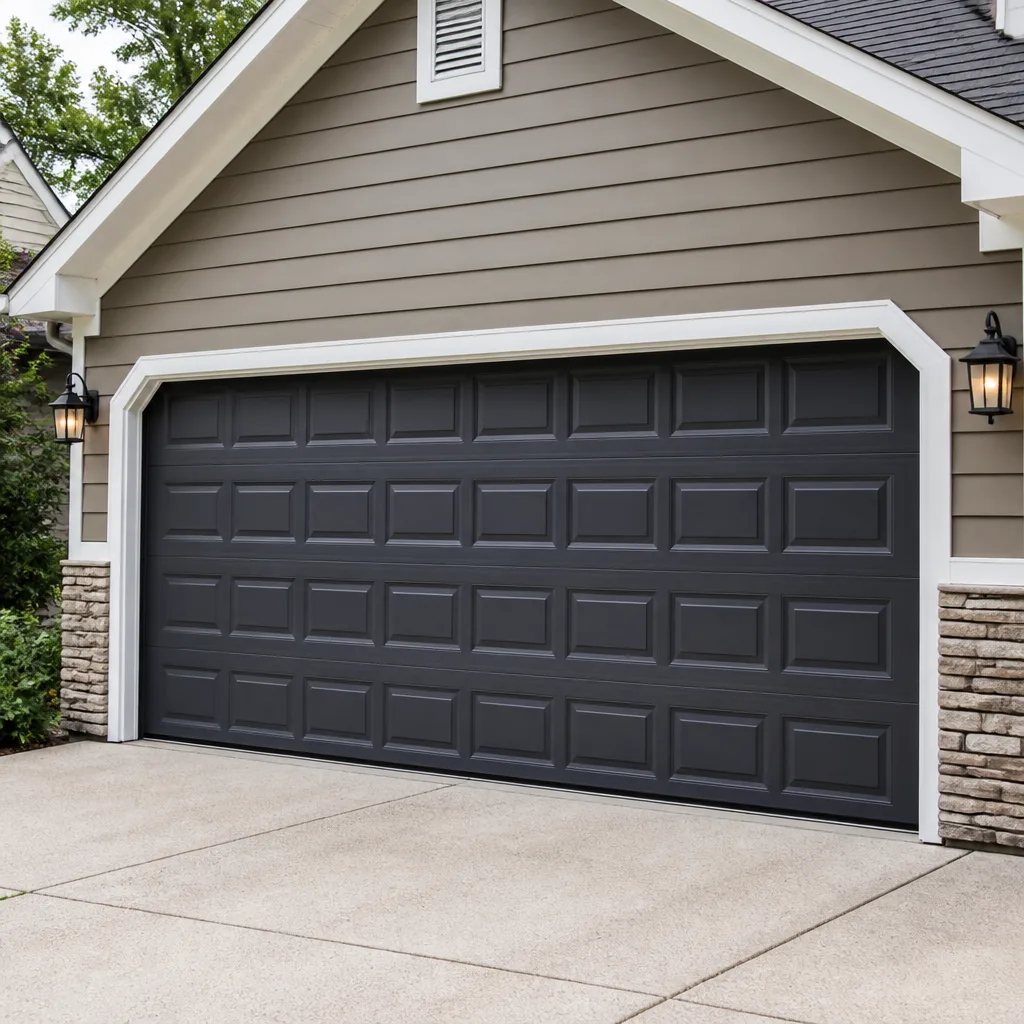 Raised-panel steel
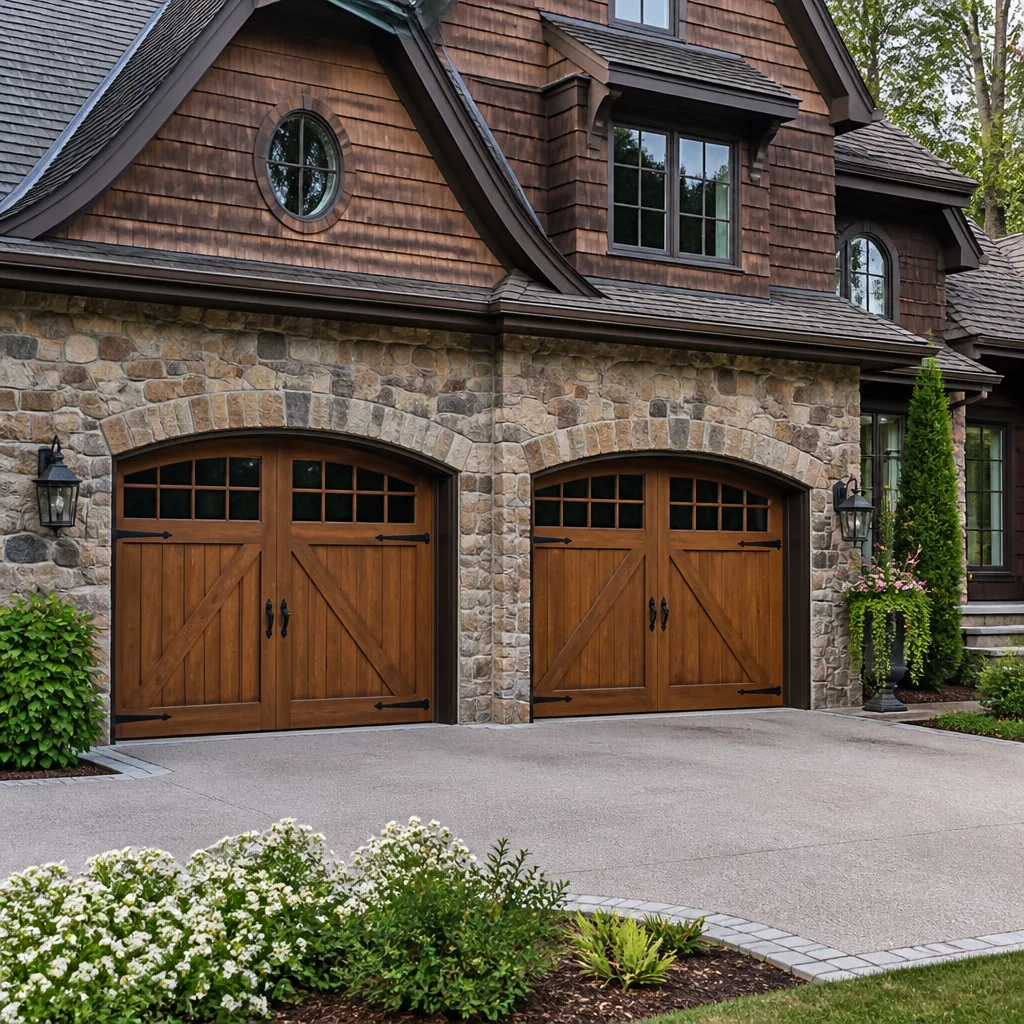 Carriage house
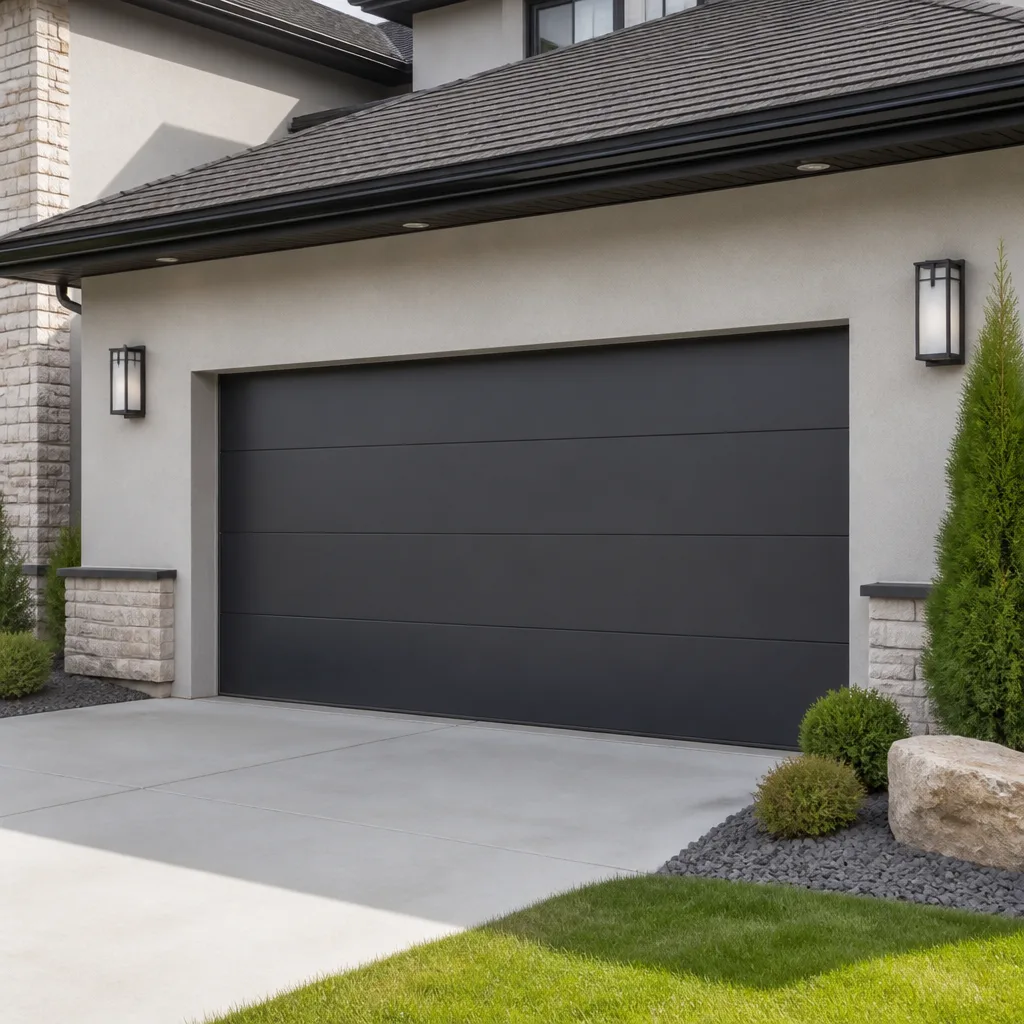 Modern flush
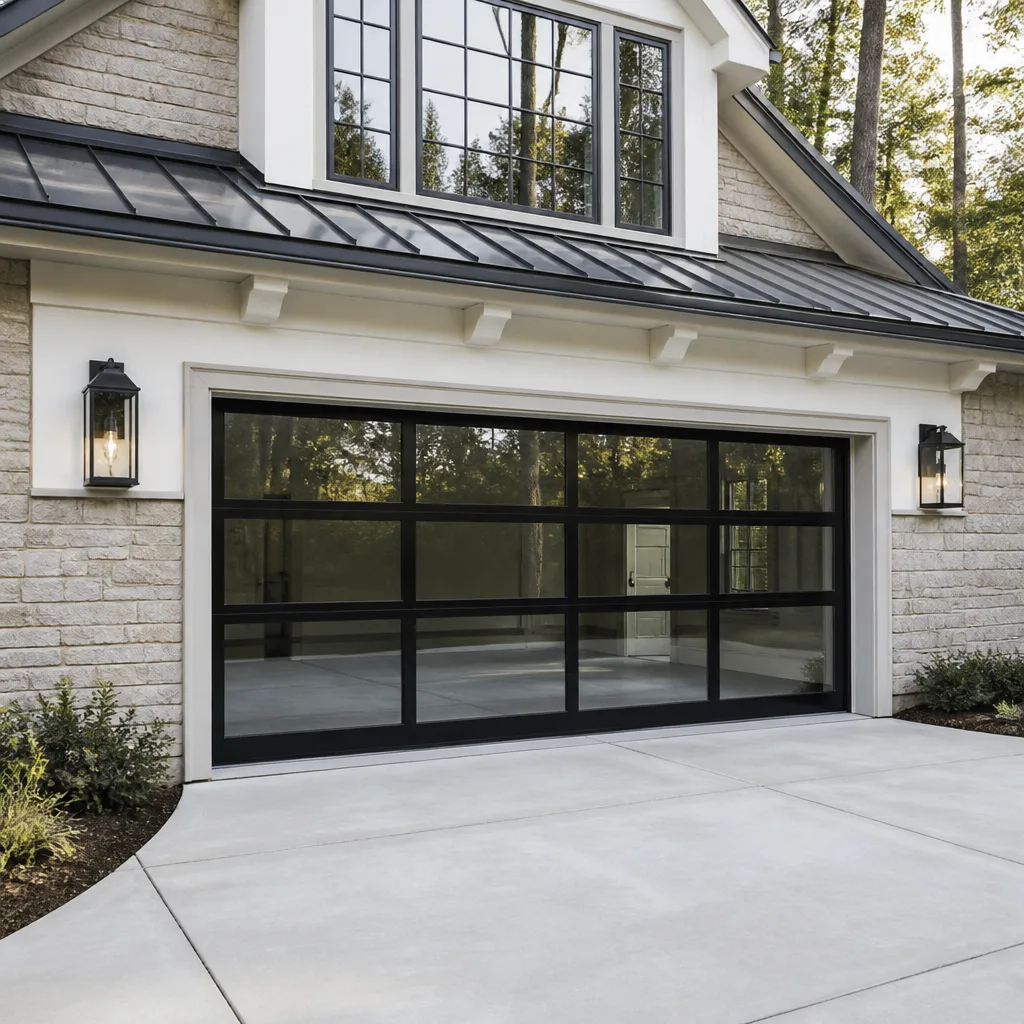 Full-view glass
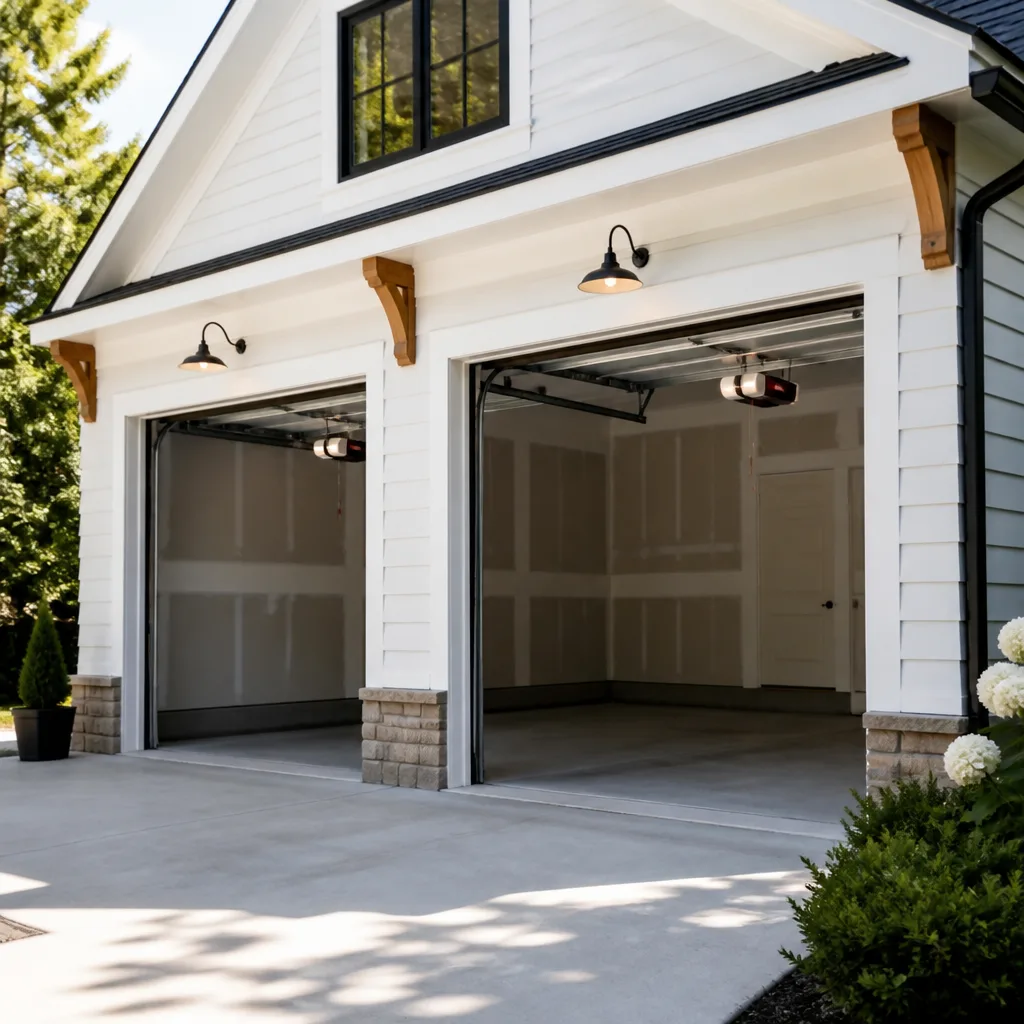 LiftMaster openers
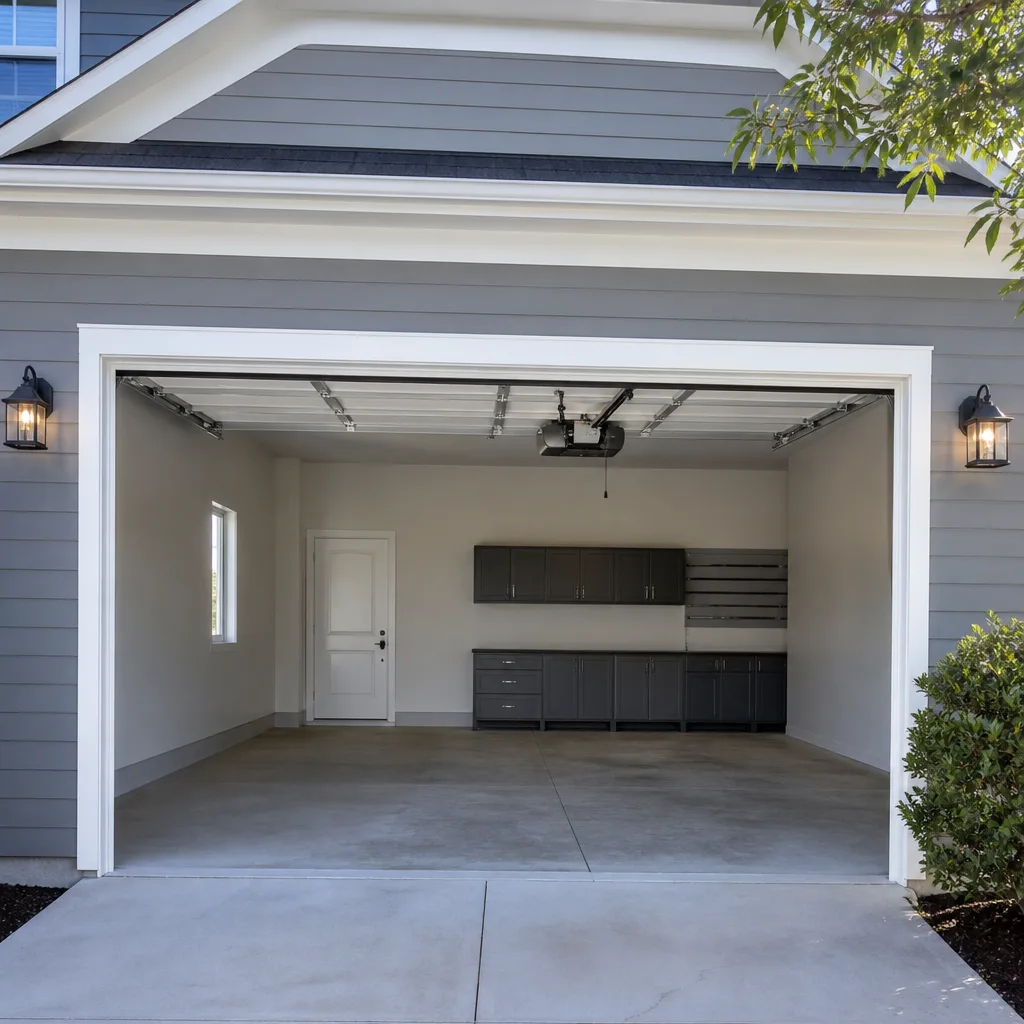 Chamberlain openers
Full 25-point door and opener safety check with every visit - springs, cables, rollers, tracks, and your LiftMaster or Chamberlain opener included
You get a price before we start. It does not change when the truck arrives.
Get your free estimateThe Complete Garage Door Repair Guide for Melbourne Homeowners
Most garage door guides are written for Phoenix or Chicago. That’s a problem, because Melbourne’s salt air corrodes springs and cables at roughly twice the rate of inland cities, which means the maintenance timelines everyone quotes are wrong for Brevard County homeowners. A spring that lasts ten years in Arizona might fail at year five or six here, and the roller bearings that barely rust in Denver can grind themselves into seizing in an Indian Harbour Beach garage. This guide maps the failure patterns we actually see in Melbourne to the right fixes, so you stop guessing and start solving. By the end, you’ll know which repairs are DIY-safe, which ones require a specialist, how to prepare for hurricane season, and what each major component failure actually looks like in a coastal climate.
Styles & brands we work with
Quick Answer
Garage door repair in Melbourne FL covers the door’s mechanical system (springs, cables, rollers, tracks, panels) and the opener’s electronic drive system, and both wear faster here due to humidity and salt air. Most repairs come down to identifying the exact symptom (a grinding noise, a door that won’t lift, a snapped cable), then matching it to the right component fix. For anything involving torsion springs, cables, or corroded hardware, call a specialist offering Garage Door Repair services rather than attempting a DIY repair.
Table of Contents
- Why Melbourne’s Climate Changes Everything About Garage Door Wear
- Torsion Spring vs. Extension Spring Replacement: What Melbourne Homeowners Need to Know
- Cable Repair in Coastal Conditions: When Salt Air Turns a Routine Job Dangerous
- Roller and Track Failure: The Humidity Connection
- Garage Door Opener Repair: Brand-Specific Diagnosis
- The Melbourne Hurricane Season Maintenance Checklist
- DIY-Safe Repairs vs. Repairs That Require a Pro
- What Garage Door Repair Costs in Melbourne FL
- Common Mistakes to Avoid
- When to Call a Professional
- Frequently Asked Questions
- The Bottom Line
Why Melbourne’s Climate Changes Everything About Garage Door Wear
In coastal Brevard County, the standard national advice about garage door maintenance falls short in one specific way: it assumes components fail from mechanical wear alone. Melbourne garage doors face a second, more aggressive failure mechanism. Salt-laden air from the Atlantic mixes with 70-80% average humidity, creating a micro-corrosion environment on every metal surface in your garage. Zinc-plated springs, galvanized cables, and even powder-coated tracks shed their protective layers faster here than they would twenty miles inland.
In our experience, Melbourne homeowners routinely see torsion springs fail in five to seven years, not the ten to twelve years quoted in national guides. Cables that would last the life of the door in a dry climate often need replacement at the eight to ten year mark along the A1A corridor and in beachside neighborhoods like Indialantic and Satellite Beach. You can hear the difference: a corroding spring creaks under load long before it snaps, and rusted rollers produce a grinding sound that’s distinct from normal operational noise.
This isn’t a reason to replace doors more often. It’s a reason to inspect them more carefully. The repair-first approach that Ironstone Garage Door Repair home services are built around means catching corrosion at the stage where a $40 roller replacement still solves the problem, rather than waiting until a seized roller carves a groove into the track and turns it into a $400 track replacement.
Torsion Spring vs. Extension Spring Replacement: What Melbourne Homeowners Need to Know
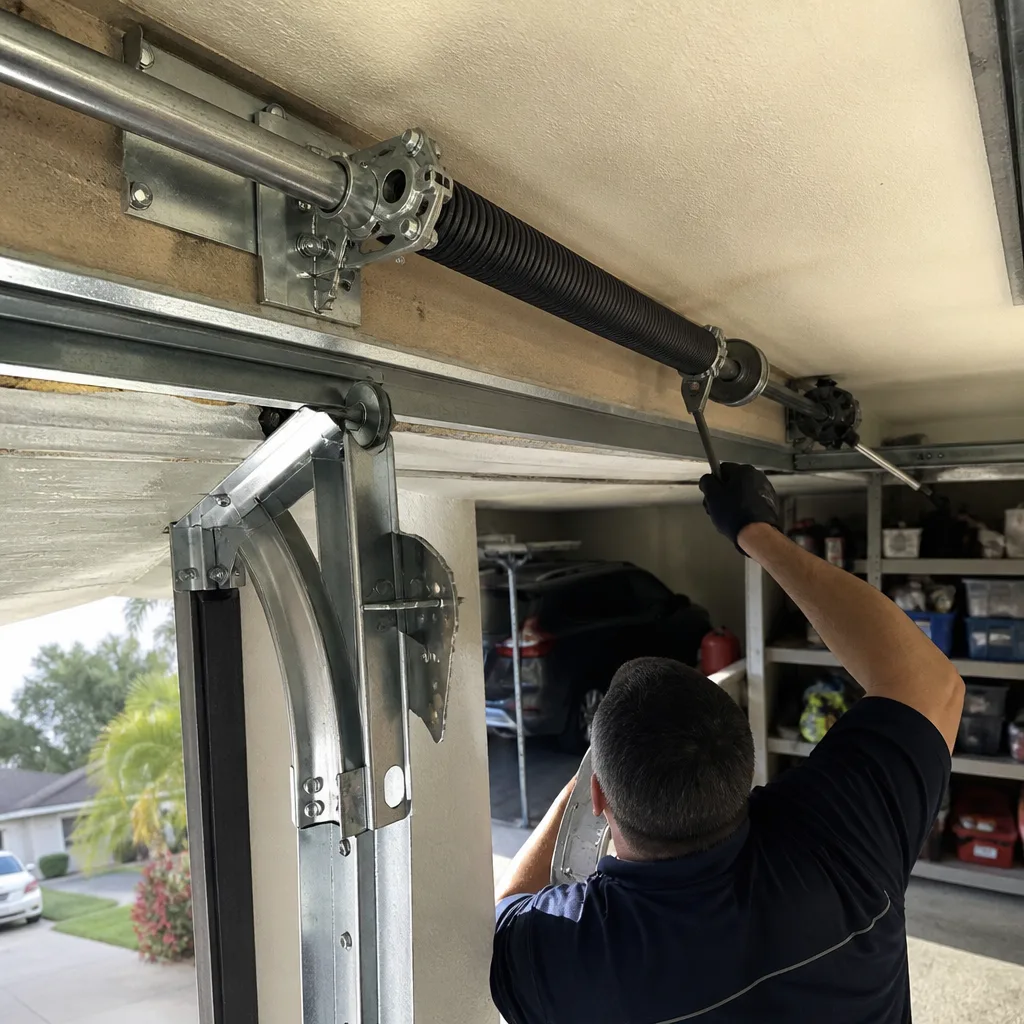
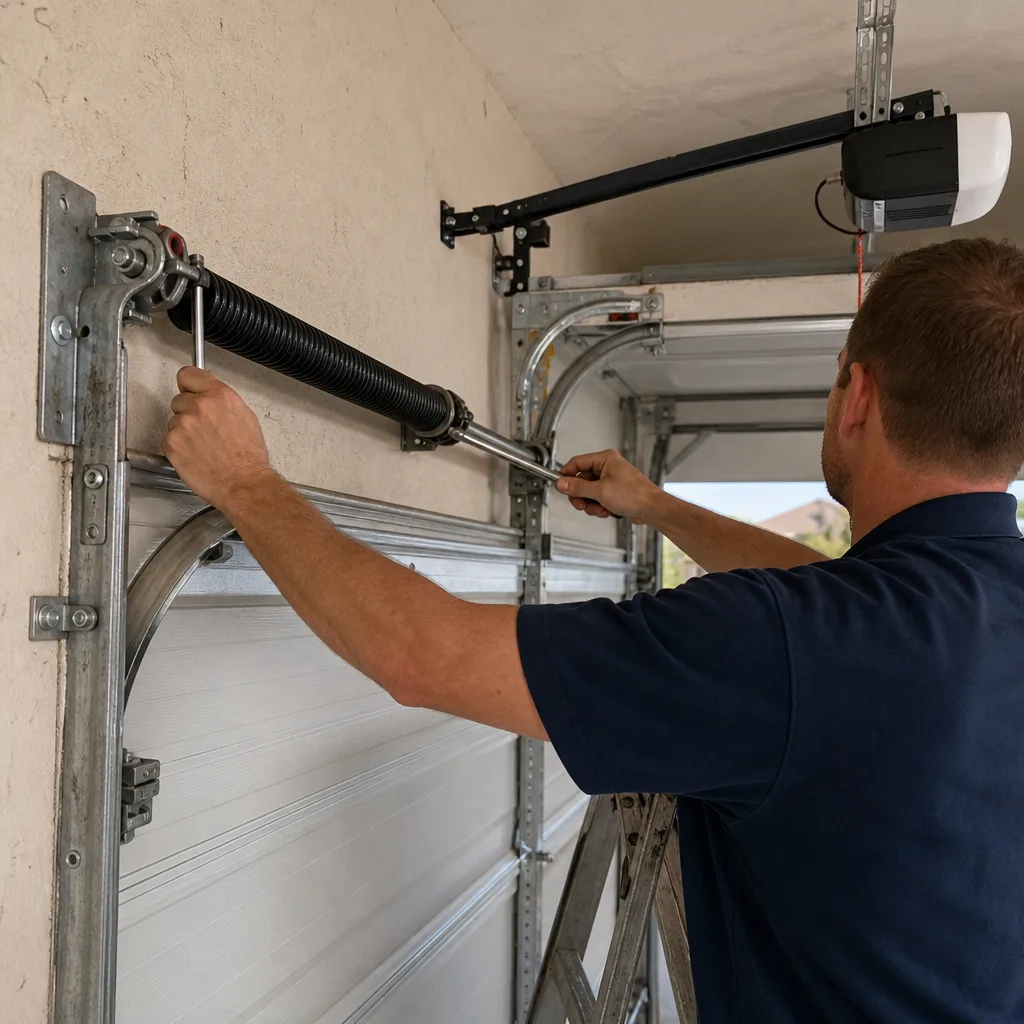
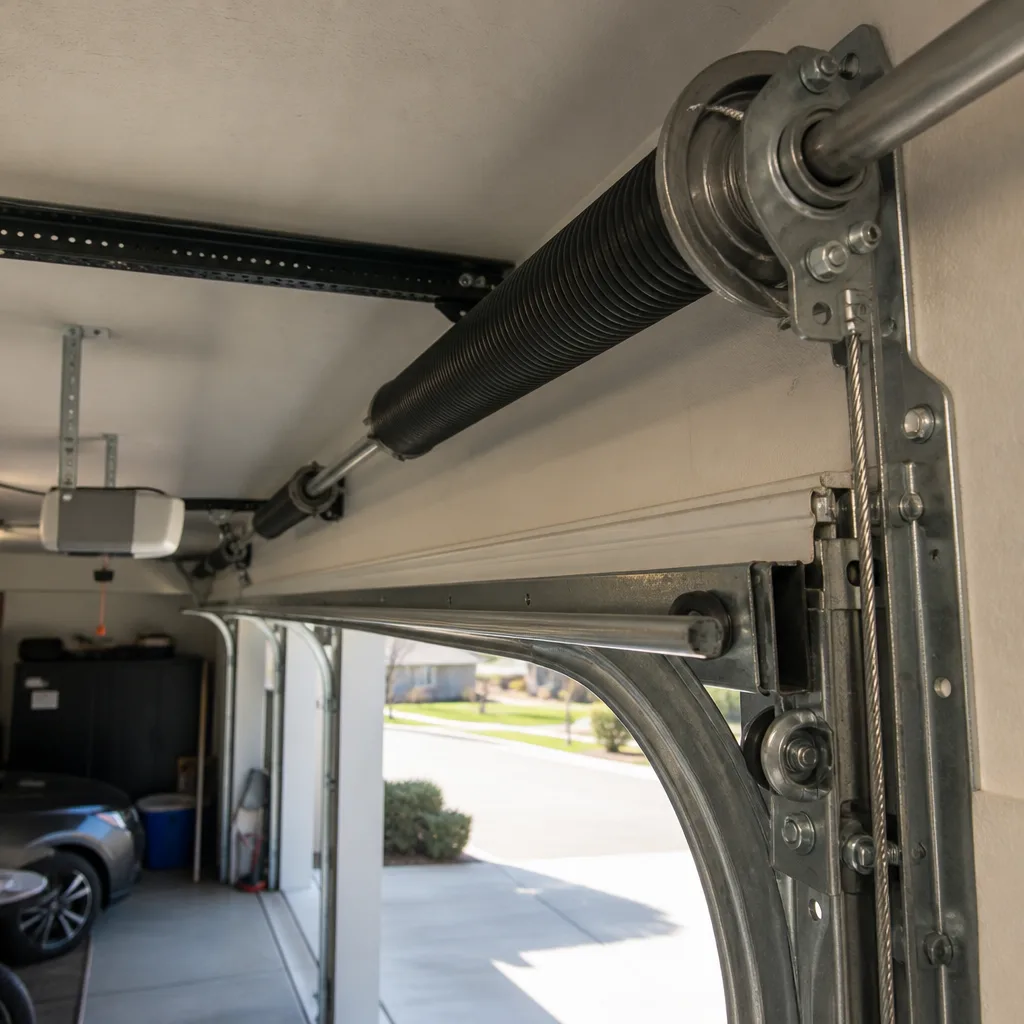
Garage door spring replacement in Melbourne FL costs more than inland because of what’s involved in doing it right. A torsion spring mounted above the door stores enough kinetic energy to cause serious injury if mishandled. Extension springs along the side tracks are lower-energy but still dangerous when old and corroded. The repair itself follows the same steps everywhere, but the coastal variable is corrosion fatigue: small pits on the spring’s surface act as stress concentrators, making it dramatically more likely to fail earlier than its rated cycle life.
Symptoms That Point to the Spring
- The door feels unusually heavy when you disconnect the opener and lift it manually.
- The door slams shut or won’t stay open in the raised position.
- You see a visible gap in the torsion spring above the door (a clean break) or a stretched, separated extension spring along the track.
- You hear a loud bang from the garage, like a firecracker, usually followed by the door refusing to open.
- The top of the door tilts when the opener tries to lift it, but the bottom stays put.
When we replace a spring in Melbourne, we match the door’s weight and cycle rating, not just the wire diameter. Doors near the beach need springs rated for a higher cycle count because they’ll get used more during the seasonal openings and closings that come with hurricane shutters, boat gear, and outdoor equipment storage. We also inspect the other spring if it’s a two-spring system, because a surviving spring with corrosion pitting left in place is a failure waiting for the next season. This is a job where Garage Door Repair in Melbourne becomes a replacement, not a repair, but it’s one we can usually complete same day.
Cable Repair in Coastal Conditions: When Salt Air Turns a Routine Job Dangerous
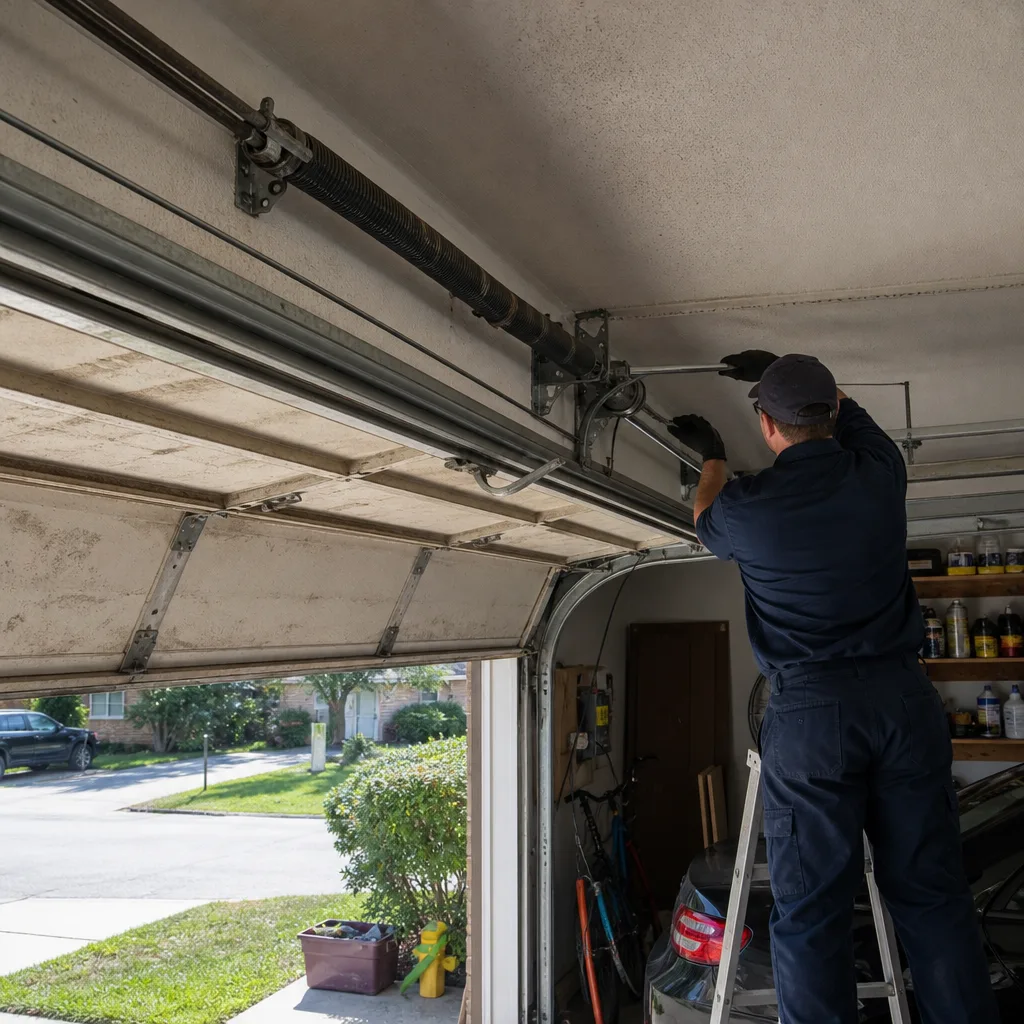
A snapped cable in Melbourne is never just a snapped cable. By the time a galvanized cable fails in this climate, the rust has usually spread to the cable drum, the mounting brackets, and sometimes the spring itself. That’s why we treat cable work as a diagnostic exercise first: we check the entire lift assembly for corrosion before replacing the cable itself.
The danger with cables is specific and real. A detached cable leaves the door unbalanced, and an unbalanced door can fall. The torsion spring still holds tension, which means the cable snaps back with enough force to lacerate anything in its path. If you see a frayed or broken cable, keep your hands clear and don’t try to unwind or re-spool it. This is a job for someone with the right winding bars and the experience to release the spring safely first.
What you can do is look for the early warning signs: rusty streaks on the cable where it wraps the drum, tiny bristles of broken wire at the loop end, or a cable that’s begun to jump the pulley groove. These show up more quickly along Melbourne’s barrier island and near the causeways, where salt spray comes with every onshore breeze. Catching a frayed cable early means a $150 repair instead of a $500-plus door replacement when the unbalanced door torques and bends the upper panels.
Roller and Track Failure: The Humidity Connection
Nylon rollers with sealed bearings fail from bearing wear, which happens everywhere. Melbourne’s humidity accelerates a different failure: steel rollers rusting from the inside out, losing their bearing smoothness, and then grinding against the track until both are ruined. In beachside garages, we see steel rollers that look fine from the outside but have locked bearings that drag along the track. The first symptom is usually a door that shudders on the way up, or a sound like gravel being crushed every time the door moves.
Here’s the repair hierarchy we follow:
- Inspect and clean the tracks. Salt residue and sand accumulate in the bottom brackets. Washing the tracks with a degreaser, then wiping dry, often restores smooth operation.
- Lubricate rollers and hinges. Silicone-based lubricant works better than WD-40 in humid conditions because it doesn’t attract the same moisture and dust.
- Replace rollers in sets. If any roller has a seized bearing, all of them are on borrowed time. Melbourne’s humidity means they’ve all been in the same environment.
- Check for bent track sections. A roller that seized can bend the track. Straightening can work, but if the metal has kinked, replacing the damaged section is the only reliable fix.
One thing that surprises Melbourne homeowners: track repair is often misdiagnosed as a spring problem. A door that moves a few inches then stops is frequently a roller binding against a corroded track, not a weak spring. That’s exactly the kind of misread we’ve corrected for homeowners who spent hundreds on the wrong repair. You can read the s symptoms yourself by checking whether the door moves evenly when you lift it manually with the opener disconnected. If it sticks at the same spot every time, that point of resistance is your culprit.
Garage Door Opener Repair: Brand-Specific Diagnosis
The opener half of your garage door system fails differently than the door itself. Instead of wear, you get electronics degradation, circuit board corrosion, and sensor misalignment. In Melbourne, the humidity also does something sneaky: it corrodes the opener’s internal circuit board contacts, leading to intermittent failure that’s hard to diagnose unless you know what model you’re working with.
This is where brand-specific knowledge matters. A LiftMaster opener from 2015 has a different diagnostic sequence than a Chamberlain from 2019, even though the parent company is the same. A Genie screw-drive opener wears differently than a belt-drive Chamberlain. When we diagnose an Garage Door Opener Repair in Melbourne, we identify the exact model before we touch a single wire, because the reset sequence, the sensor alignment method, and the force adjustment procedure are all model-specific.
The most common opener failures we see in Melbourne:
- Sensor misalignment from storm vibration. Thunderstorms and hurricane-force winds physically move sensors out of alignment. The opener’s beam becomes broken, and the door reverses instead of closing. The fix is usually a simple realignment, but only after confirming the sensor wires haven’t cracked.
- Capacitor failure in the motor. Humidity plus heat cycling kills capacitors. The symptom is an opener that hums but won’t turn the drive.
- Logic board corrosion. Offshore winds carry salt into garages through open doors. Contacts barely visible to the eye corrode enough to cause random failures. Board replacement is often cheaper than opener replacement.
- Gear and sprocket wear in chain-drive units. If you have a Craftsman or older Chamberlain chain drive, the plastic gear grinds down, especially if the door is even slightly unbalanced from spring wear.
We work on LiftMaster, Chamberlain, Genie, and Clopay systems, and the repair-first philosophy means we’ll tell you if a board replacement or gear kit is the better financial choice rather than selling a new opener. Sometimes it isn’t, and we’ll say that too.
The Melbourne Hurricane Season Maintenance Checklist
Every June 1st, Melbourne homeowners should run through a garage door maintenance checklist tailored to hurricane season. The reason is structural: during a hurricane, your garage door becomes the largest opening in your home’s wind envelope. A door that fails under wind pressure turns your garage into a pressurized box, which is how roofs get blown off. A maintained door resists the wind load better. Here’s the five-step checklist we recommend:
- Test the door’s balance. Disconnect the opener and lift the door manually. It should stay in any position. If it drifts down, the spring is weak and needs replacement before storm season, not after.
- Inspect cables and springs for rust. Look for pitting, fraying, or stretching. Beachside homes should inspect twice a season.
- Check the reinforcement struts. Most newer doors have horizontal struts across each panel. If any are loose, a 120 mph gust can fold the panel inward. Tighten them or have them replaced.
- Test the opener’s battery backup. If your LiftMaster or Chamberlain opener has a battery backup, run a test cycle. Power failures during storms are guaranteed in Brevard County, and the backup is what lets you open the door when the grid is down.
- Secure or brace the door if you board up. If you’re evacuating, lock the door and pull the manual release cord to disengage the opener so the door isn’t fighting the motor during the storm.
Running this checklist takes about twenty minutes and costs nothing unless you find something that needs replacement. The Melbourne-specific urgency is simple: hurricane warnings give you 48 hours, and every repair shop in the county books solid. The time to find a broken spring is May, not when a named storm is two days out.
DIY-Safe Repairs vs. Repairs That Require a Pro
Some garage door repairs are genuinely safe to do yourself in Florida. Others become more dangerous here specifically because corrosion has made the parts unpredictable. Here’s the honest breakdown:
Safe to Do Yourself
- Track cleaning and lubrication. You don’t need special tools. Use silicone spray on rollers, hinges, and the opener’s drive rail. Wipe down tracks with a degreaser and a rag.
- Sensor realignment. Loosen the wing nut on each sensor, point them at each other, and tighten when the LED lights turn solid. If that doesn’t work, the sensor itself may be corroded.
- Battery replacement in remotes and keypads. No hazard, no special tools.
- Weather seal replacement along the bottom of the door. Pry out the old strip and slide in a new one. Takes ten minutes and keeps rain and salt spray out of your garage.
- Torsion spring replacement. These springs hold enough energy to break bones or kill. Miami-Dade building codes, which many Brevard County contractors reference, require specific winding bar sizes and procedures. Even professionals handle these with care.
- Cable replacement or re-spooling. A corroded cable under tension is unpredictable. If it snaps while you’re working on it, the whipping end can cause deep lacerations.
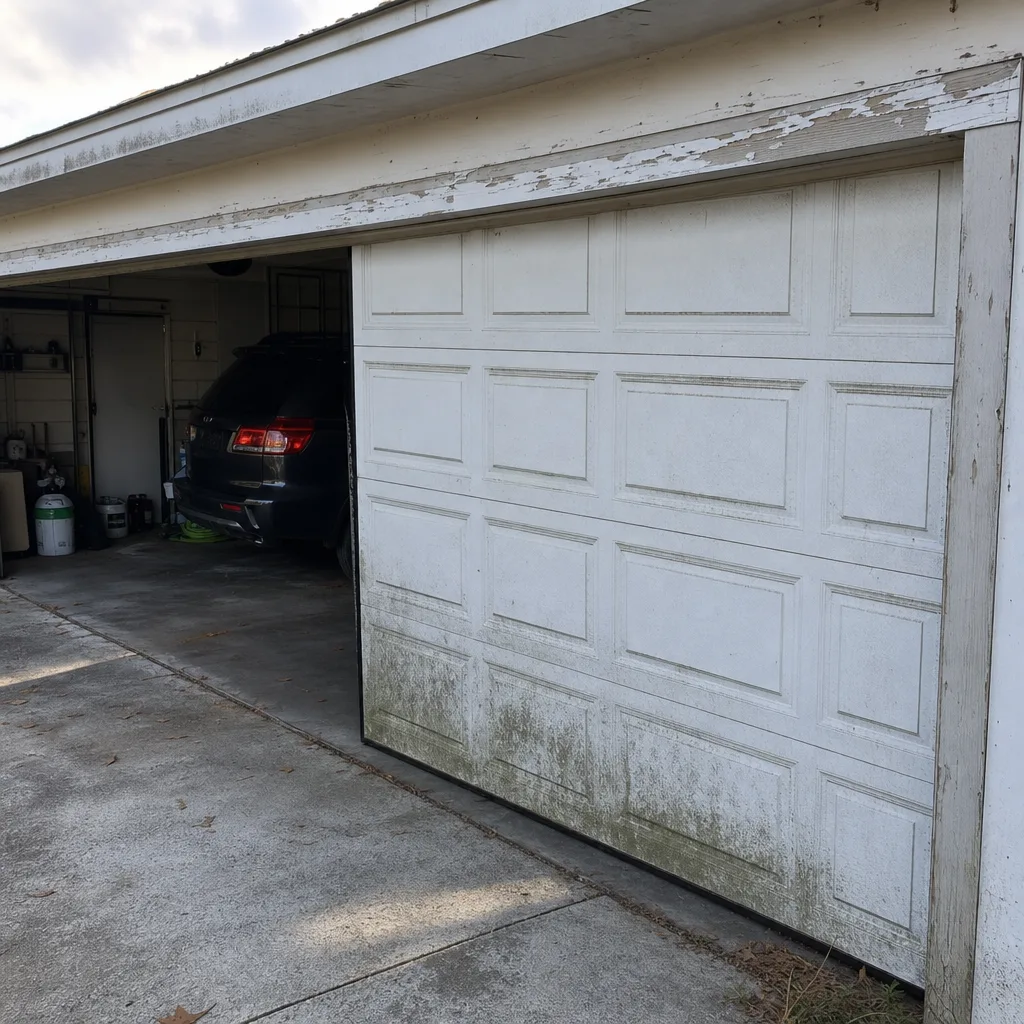
- Track replacement or bending back. A misaligned track throws the door off balance. The entire door can come off its hinges if you get this wrong, and a falling door panel is a few hundred pounds.
- Anything involving the bottom bracket. The bottom bracket holds the cable and a substantial portion of the door’s weight. Remove the wrong bolt and the door frame swings down like a pendulum.
- Using WD-40 on rollers and hinges. WD-40 is a solvent, not a lubricant. It strips whatever’s left of the factory grease and then evaporates, leaving bare metal exposed to Melbourne’s salt air. Use silicone spray or white lithium grease instead.
- Ignoring a squealing door and calling it “normal.” A squeal is metal-on-metal friction, and in a humid garage, that friction is also grinding away surface protection. By the time the squeal becomes a grind, you’re replacing parts instead of lubricating them.
- Replacing one spring on a two-spring system. The old spring has half the remaining lifespan. You’ll be back for the other one within a year, and you’ll pay another service call fee. Replace both when one fails.
- Tightening loose track bolts without checking alignment. If the track is out of alignment, tightening bolts just locks in the misalignment. The door wears faster, and the rollers bind sooner. Realign first, then tighten.
- Waiting until hurricane season to check the door. Every repair shop in Brevard County books out within 48 hours of a storm warning. March or April is the time to find a weak spring, not June.
- Buying the cheapest replacement spring online. Springs sold online are often rated for 10,000 cycles or fewer, which is about four to five years of normal use in Melbourne’s climate. Professional-grade springs are rated 20,000 to 40,000 cycles and cost only $30 to $60 more.
- Disconnecting the opener and leaving the door in manual mode. Do this and a single person can open your garage from the outside in under ten seconds. The manual release exists for power outages, not as a permanent setting.
Do Not Attempt Yourself
After a decade of seeing corroded hardware in Melbourne garages, our position is firm: if the part is under spring tension or the door’s weight rests on it, that’s a professional repair. The cost of getting it done right is a fraction of what an emergency room visit or a bent door panel will run you.
What Garage Door Repair Costs in Melbourne FL
Repair pricing in Melbourne follows local patterns: labor rates run slightly below Miami but above Orlando, and parts prices reflect the coastal corrosion premium. Here’s what we see as of 2025 for common repairs:
| Repair Type | Typical Range in Melbourne | What Affects the Price |
|---|---|---|
| Torsion spring replacement | $220 – $380 | Door weight, spring cycle rating, whether it’s one or two springs |
| Cable replacement | $150 – $275 | One side or both, extent of corrosion on drums and brackets |
| Roller replacement (full set) | $90 – $180 | Nylon vs. steel, whether track repair is also needed |
| Track replacement or realignment | $150 – $400 | Single section vs. full track system, garage height |
| Opener repair (logic board, gear, sensor) | $120 – $350 | Brand, model year, part availability |
| Weather seal replacement | $70 – $140 | Door width, seal material |
| Full opener replacement | $370 – $650 | Motor horsepower, belt vs. chain drive, smart features |
These are ranges, not quotes. The exact price depends on your door’s weight, the spring’s cycle rating, and what condition the surrounding hardware is in. What we can say with certainty: we quote the price before any work starts, and the number you approve is the number you pay. There’s no revision after we open the panel and no pressure to replace a door that only needs a repair. That’s the repair-first commitment, and it’s how we handle every job in Melbourne, from a single spring replacement to a full Garage Door Installation in Melbourne.
Common Mistakes to Avoid
When to Call a Professional
Call a professional when the repair involves the springs, cables, bottom brackets, or any part under tension. Call when the door is stuck in the open position and you can’t get your car out. Call when you hear a loud bang and the door won’t open. Call when the door has come off its tracks entirely. Call when the opener makes grinding noises that suggest internal gear failure, or when the door reverses on the way down repeatedly despite clean sensors. Ironstone Garage Door Repair offers free estimates in Melbourne, and you can reach us at (866) 472-4163. If we determine the repair is beyond saving the existing door, we’ll tell you what a replacement would cost and you decide with full information either way.
Frequently Asked Questions
A torsion spring replacement in Melbourne typically costs between $220 and $380, depending on the door’s weight, the spring’s cycle rating, and whether it’s a two-spring system. Extension spring replacement runs slightly lower. Call (866) 472-4163 for an exact quote, which includes the spring cost and labor with no surprises after the work starts.
We prioritize emergency calls for doors stuck open, doors that won’t close, and snapped springs, and we service the entire Melbourne area including beachside and mainland neighborhoods. Call (866) 472-4163 and describe what’s happening. We’ll arrange a same-day visit when we have a technician available in your area.
No. We quote the repair price after seeing the door in person, before any work begins. That quoted number includes parts and labor, and it’s the number you’ll see on the invoice. If we find something unexpected mid-repair, we stop and discuss the new scope before proceeding. You always decide.
Yes, for the most common repairs: torsion springs in the standard wire diameters and lengths, extension springs, cables, rollers, hinges, weather seals, sensors, and opener parts for the major brands. For rare parts or specialty doors, we order and return within a few days. When you call, let us know your opener’s brand and model so we can bring the right components.
We work on LiftMaster, Chamberlain, Genie, and Clopay systems, among others. Brand-specific diagnostic training means we identify the exact model before troubleshooting, which gets to the fix faster than generic trial-and-error. If you’re not sure what brand you have, check the motor housing and we’ll help you identify it over the phone.
Salt air and humidity create corrosion that accelerates wear on springs, cables, rollers, and opener circuit boards. National replacement timelines assume average conditions, but Melbourne’s coastal environment p its metal components at a rate closer to twice the national average. More frequent lubrication and inspection are the offsets.
The Bottom Line
Melbourne garage doors fail in patterns that national guides don’t account for. Springs snap earlier, cables rust faster, rollers seize from the inside out, and opener boards corrode from salt-laden air. The homeowners who avoid the expensive headaches are the ones who inspect early, lubricate often, and know which repairs are safe to handle versus which need a specialist’s tools and training. When a spring does break or a cable does snap, the right response is the same: diagnose the actual problem, match the fix to the component, and get it handled before a small repair becomes an entire door replacement. If you’d rather have an experienced hand look at it, the team at Ironstone Garage Door Repair is one call away at (866) 472-4163.
Written by the team at Ironstone Garage Door Repair, serving Melbourne since 2016.
See the difference
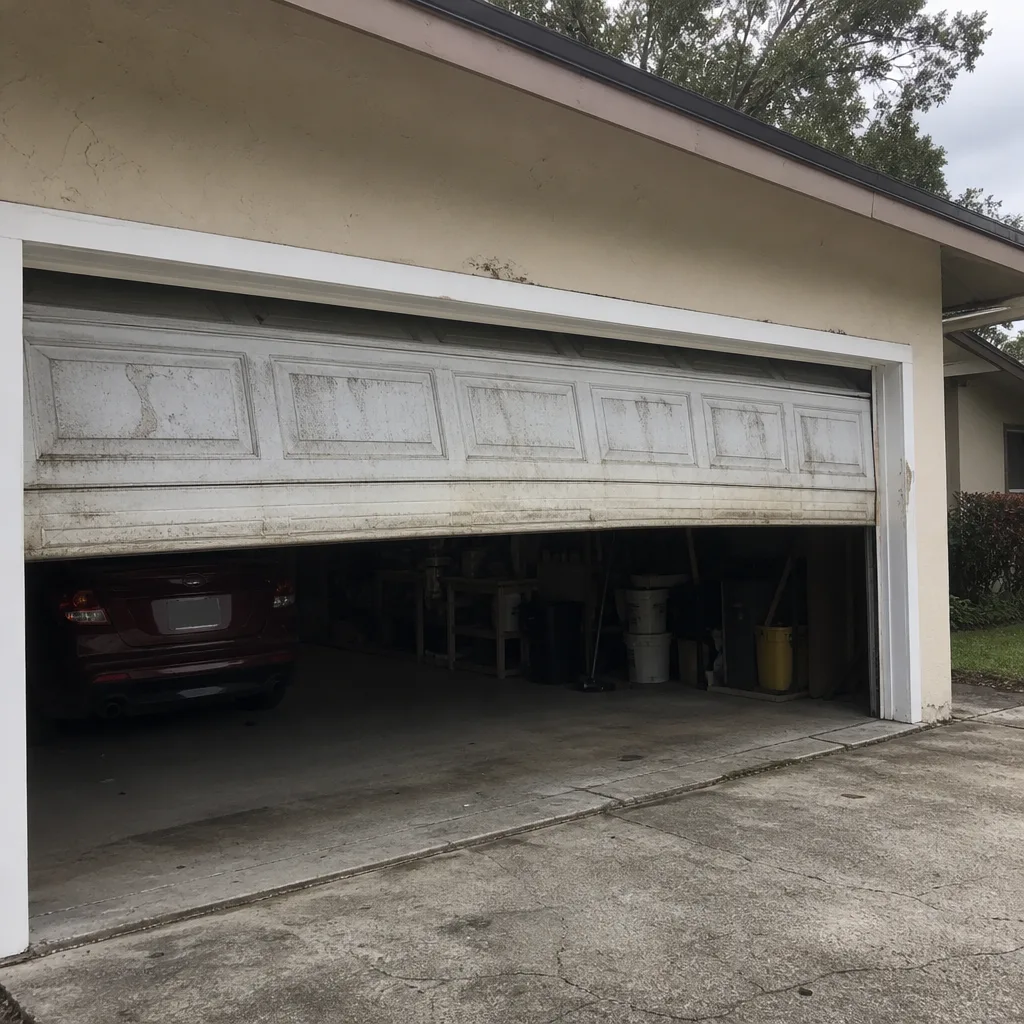 Before
 After
 Before
 After
 Before
 After