
Last updated October 30, 2026
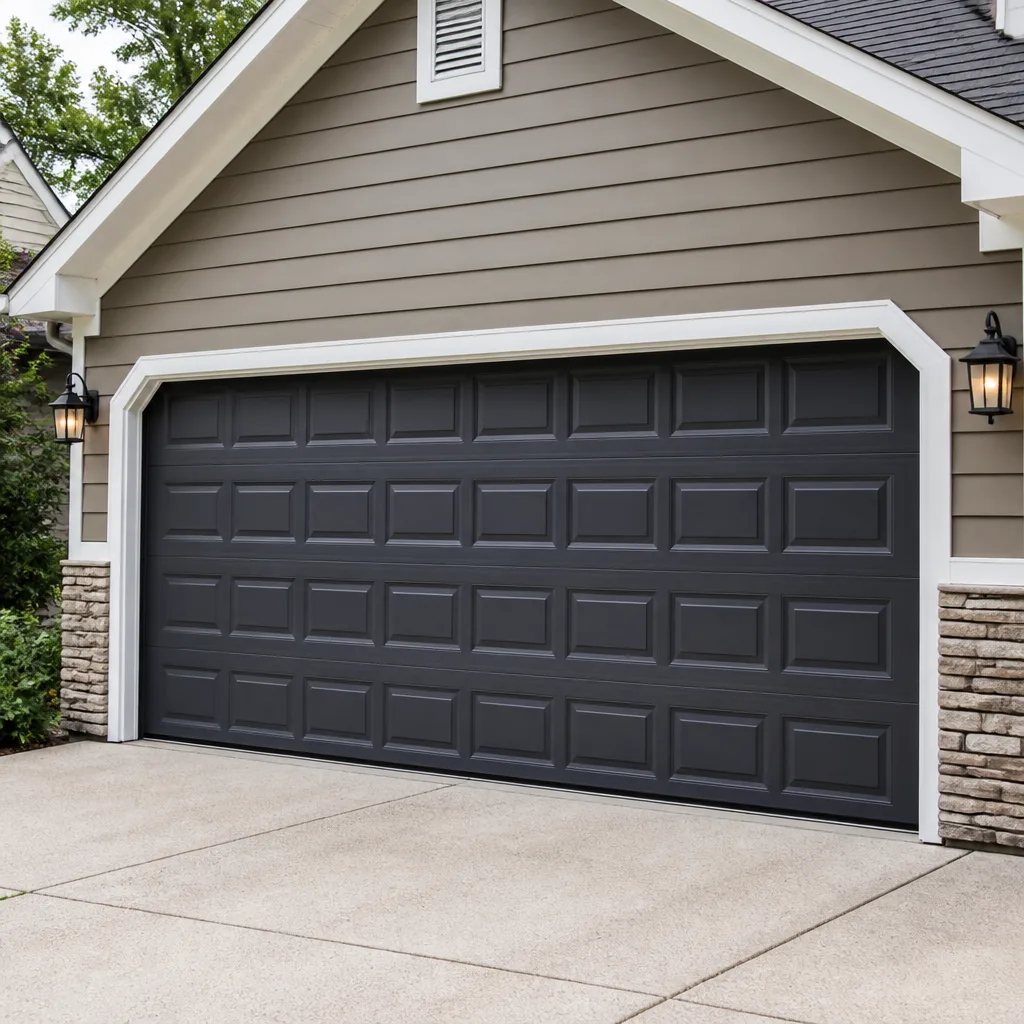 Raised-panel steel
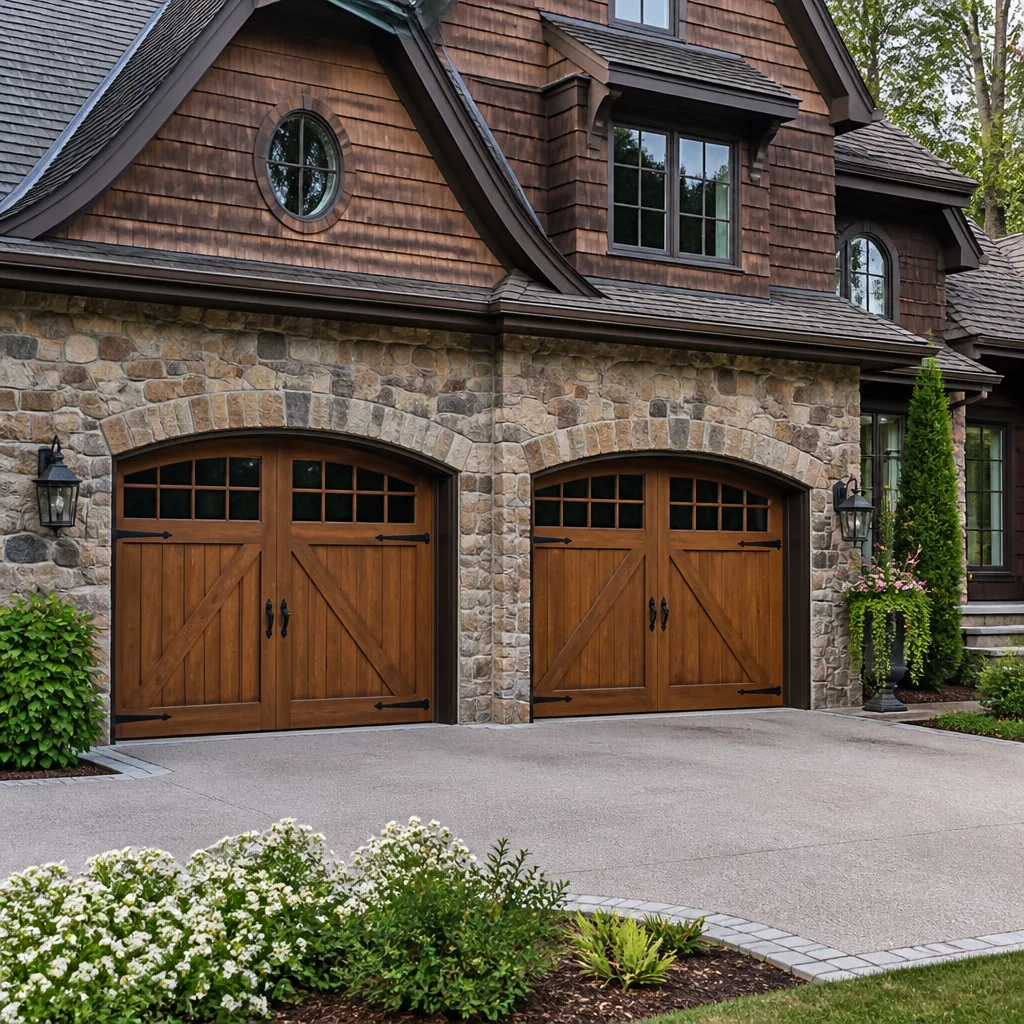 Carriage house
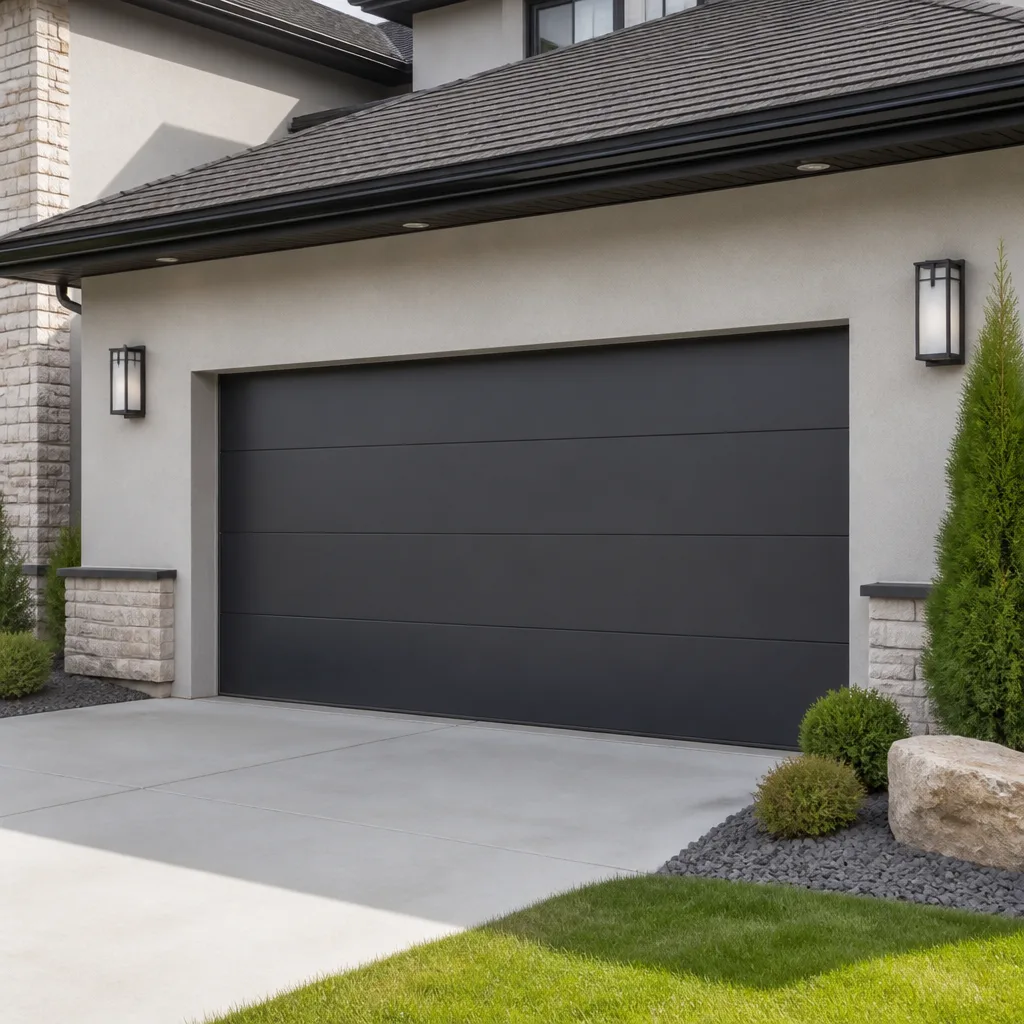 Modern flush
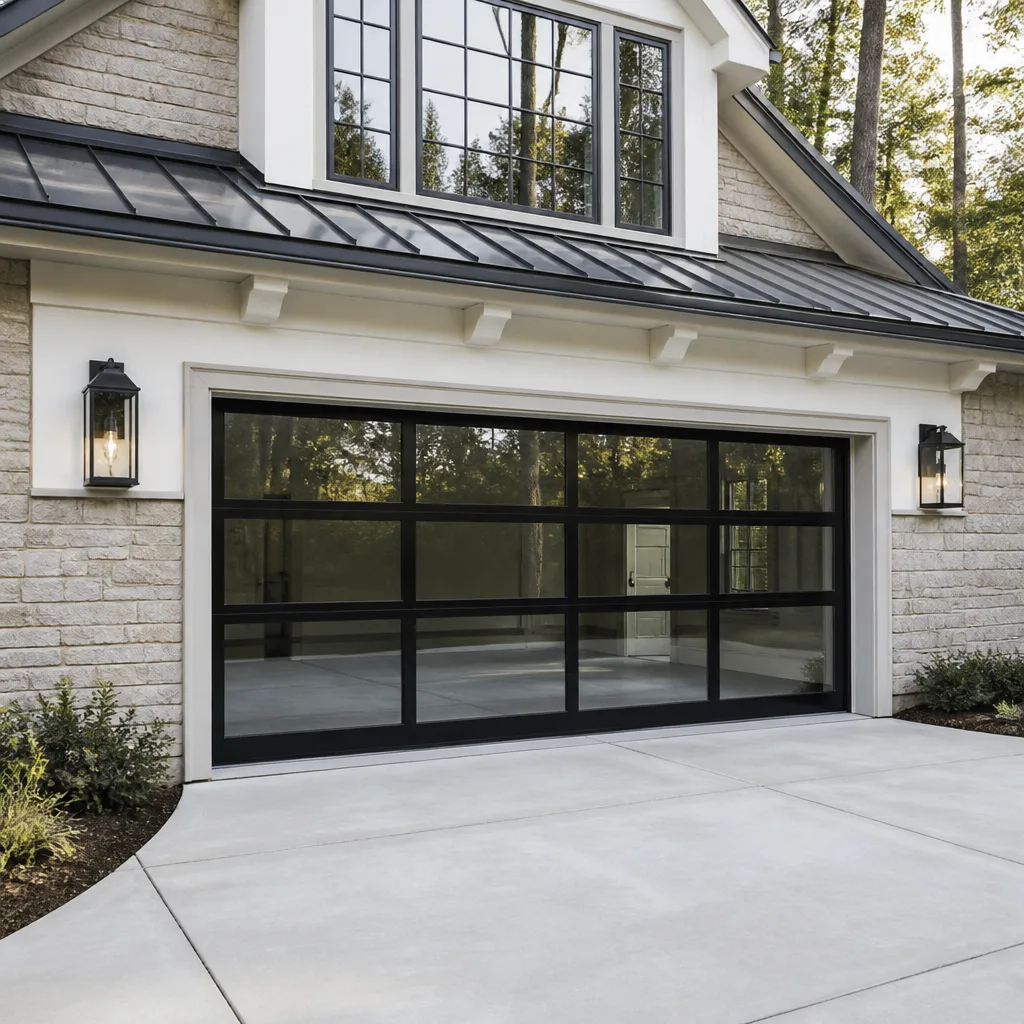 Full-view glass
 LiftMaster openers
 Chamberlain openers
Full 25-point door and opener safety check with every visit - springs, cables, rollers, tracks, and your LiftMaster or Chamberlain opener included
You get a price before we start. It does not change when the truck arrives.
Get your free estimateDIY vs Professional Garage Door: The Melbourne Homeowner’s Decision Guide
Every year, roughly 2,000 Americans land in the emergency room because of garage door torsion springs. The physics don’t care how handy you are: a spring under 150 to 250 pounds of torque releases its energy instantly if the winding bar slips, and human hands are no match for that kind of force. This guide is written for Melbourne homeowners who want a straight answer about which garage door tasks are genuinely doable on a Saturday afternoon, which ones carry real risk, and where Florida’s building code quietly changes the math. For Garage Door Permits, Codes & Inspections in FL: What You Need to Know, see our dedicated breakdown. We’ll walk through each common repair, the actual costs of DIY gone wrong, and the warranty fine print that manufacturers rarely put in bold type.
Styles & brands we work with
Quick Answer
DIY garage door work in Melbourne is reasonable for simple, low-risk tasks like sensor realignment, lubrication, and remote programming, but anything involving torsion springs, lift cables, or structural track work should be left to a licensed garage door specialist. Florida’s building code also imposes permit and inspection requirements on certain installation work that a homeowner cannot self-certify. The honest split is roughly 15% of garage door tasks are safely DIY-able, and the other 85% carry enough injury risk, code exposure, or warranty consequence that calling a pro is the cheaper decision in the long run.
Table of Contents
- The Safety Line: What Separates DIY-Safe from Never-Touch
- Task-by-Task Breakdown: DIY vs Professional
- How Florida Building Code Changes the DIY Equation
- The True Cost of a DIY Repair Gone Wrong
- Opener Installation: Where the DIY Line Sits in Florida’s Electrical Code
- Warranty Voidance: What Manufacturers Don’t Print on the Box
- Melbourne-Specific Factors Most Guides Ignore
- Common Mistakes to Avoid
- When to Call a Professional
- Frequently Asked Questions
- The Bottom Line
The Safety Line: What Separates DIY-Safe from Never-Touch
The garage door industry has an unofficial but widely understood divide. On one side are tasks that require basic observation, a step ladder, and maybe a screwdriver. On the other are tasks where a single procedural error can send you to Holmes Regional Medical Center. The dividing line is mechanical energy under tension. If a component stores force, and that force is what lifts a 150 to 400 pound door, you do not touch it without training. In our experience across Melbourne, from Viera to Eau Gallie, the injuries we hear about are almost never from someone who didn’t know the spring was dangerous. For steps to protect your household, see our Garage Door Emergency Preparedness Guide for Melbourne Homes. They’re from someone who knew and thought carefulness would substitute for proper winding bars and technique. Carefulness doesn’t survive a slip.
Here is the line, plainly drawn:
- DIY-safe tasks: Photo-eye sensor cleaning and realignment, applying lubricant to rollers and hinges, tightening visible bolts on the track brackets, reprogramming or replacing remote controls, replacing weatherstripping along the bottom of the door, and replacing the opener’s wall button.
- Never-touch tasks: Torsion spring replacement or adjustment, extension spring replacement (older doors), lift cable replacement, track realignment that involves loosening the vertical or horizontal track mounts, drum replacement, and any repair requiring you to remove the bottom bracket where the cable attaches under tension.
What makes the “never-touch” list non-negotiable is not gatekeeping. It’s that these components are loaded even when the door is closed. A torsion spring that has snapped still holds residual tension in the unbroken portion on two-spring systems. Winching a cable drum without releasing that tension is how fingers get pulled into the drum. The tools alone tell you something: proper spring work requires two winding bars of a specific diameter, which most homeowners do not own and should not improvise with rebar or screwdrivers.
Task-by-Task Breakdown: DIY vs Professional
Here’s the honest, task-by-task look at the most common garage door repairs Melbourne homeowners ask about. Each includes the risk level, the realistic difficulty, and whether the warranty on your door or opener survives the attempt.
1. Sensor Misalignment (Photo Eyes)
DIY verdict: Safe and straightforward. The two photo-eye sensors sit on either side of the door opening, about six inches off the ground. When a door refuses to close and the opener lights blink, the usual cause is a misaligned sensor or a dirty lens. You loosen the mounting wing nut, level the sensor so the indicator light turns solid, and retighten. No tension. No stored energy. The only tools are a level and a clean rag. Melbourne’s humidity accelerates dust and bug accumulation on lenses, so this is a repair you may do twice a year. It takes ten minutes and there’s no scenario where a mistake sends you to the ER.
2. Lubrication and Basic Roller Maintenance
DIY verdict: Yes, with one caution. A noisy door is usually a dry door. White lithium grease on hinges and a silicone-based lubricant on rollers keeps a door running quietly. The caution is the bottom bracket. Never remove or loosen the bottom bracket bolts because that’s where the lift cable connects under full tension. Lubricating the roller stems and hinge pivot points while everything is mounted is safe. Replacing a roller is only safe on the top and middle positions if you can slide the old roller out of the hinge. Never attempt to remove the bottom roller yourself: it carries the cable tension.
3. Remote and Keypad Reprogramming
DIY verdict: Entirely DIY-appropriate. Every brand has a Learn button or a programming sequence. LiftMaster and Chamberlain use a yellow, purple, or red learn button on the motor head. Genie uses a different sequence involving the code button. Craftsman openers, which are largely Chamberlain-made with different branding, follow the same pattern. The owner’s manual or a model-specific search gets you reprogrammed in five minutes. No risk, no tools, no code implications. If the opener is old and the remote is no longer compatible, that’s when a replacement remote or universal remote makes sense, still a DIY job.
4. Torsion Spring Replacement
DIY verdict: Never. Not once. Not with a YouTube video playing. This is the repair that drives the 2,000 ER visits annually. A torsion spring is a coiled steel bar wound to store the torque that counterbalances the door. To replace it, you must unwind the old spring if it isn’t already snapped, which means inserting a winding bar into the cone and gradually releasing stored energy. One slip and the bar becomes a projectile. Even a fully released spring can have hidden tension. The special tools, the ladder positioning, the exact winding count for your door’s weight and height: all of it is knowledge a professional earns through repetition. In our experience, the “I’ve watched three tutorials” confidence is precisely what makes this the most dangerous DIY garage door task in existence.
5. Lift Cable Replacement
DIY verdict: No. This is spring-adjacent risk. The lift cables run from the bottom bracket on each side of the door up to the drums above. When a cable snaps, the door often jams crooked in the tracks. Replacing the cable requires releasing the spring tension enough to free the drum, threading the new cable, and retensioning to the correct turns. That’s the same tension work as spring replacement. A frayed cable is also a warning sign that the door is unbalanced, meaning the spring itself may need attention. This is a professional job, full stop.
6. Panel Replacement
DIY verdict: Usually no, but not because of safety. A dented panel is replaceable on many doors, but the panel is part of a system whose weight and balance the springs are tuned for. Order a panel from a different run and the color or profile may not match, because powder-coat batches vary slightly year to year. And most manufacturers, including Clopay and Amarr, have minimum dealer ordering requirements; a homeowner can’t always buy one panel directly. The safer path on a multi-panel door with significant damage is usually a professional evaluation: sometimes the repair cost approaches replacement cost on an older door, and an honest technician will tell you that.
7. Track Realignment
DIY verdict: No. The tracks guide a heavy object through a precise path. When they’re bent or misaligned, the door binds, the rollers wear unevenly, and eventually it can derail entirely. Realigning tracks means loosening the mounting brackets, repositioning the track, and resecuring it while keeping everything parallel and plumb. The vertical track is under load. The horizontal track carries the door when open. If the track has come loose because the bolts pulled out of the wall, you may also have structural or anchoring issues that need evaluation. A door that has partially come off its tracks is dangerous to walk under and more dangerous to force back into position.
How Florida Building Code Changes the DIY Equation
Most DIY-vs-pro articles ignore building code entirely. That is a mistake, because in Florida the code is not a formality. The Florida Building Code (FBC) is one of the strictest in the country for a reason: hurricane-force winds. Garage doors are the largest opening in a home’s exterior envelope, and the code has a lot to say about them.
Here’s what a Melbourne homeowner actually faces:
- Wind load requirements: Residential garage doors in Melbourne must meet specific wind pressure ratings based on the home’s location and exposure category. In Brevard County, that generally means a design wind speed of 150 mph or higher depending on the structure. A door that is not wind-rated, or incorrectly installed, may fail building inspection and can affect your homeowner’s insurance.
- Permit triggers: Replacing an entire garage door always requires a permit in Brevard County. The permit exists so an inspector can verify the door meets wind load requirements and that the installation matches the manufacturer’s engineering. You, as a homeowner, can pull that permit. What you cannot do is self-certify the work as code-compliant if you do not carry the appropriate license. The inspection is the equalizer: an improperly installed door gets flagged, and you then pay to have it corrected.
- The self-install risk: When a homeowner installs a garage door without a permit and later sells the home, unpermitted work can become a title issue. Melbourne’s real estate market is robust, and buyers and their inspectors increasingly check permit records online. A door installed without the required permit is a negotiation point against you, not for you.
- Florida’s threshold rule: Florida law generally allows homeowners to act as their own contractor on their own residence, but this exemption does not relieve the homeowner from complying with the FBC or passing inspections. The exemption also has consequences: if you install a door incorrectly and it fails during a storm, your insurance company will investigate the installation. Self-installed, uninspected garage doors are a common claim denial finding in windstorm damage cases.
This is the code reality: the question is not whether Melbourne homeowners can install a garage door. The question is whether they can install it to FBC wind load standards, pass the inspection, and preserve their insurance position. That’s a much higher bar than “does it open and close.”
The True Cost of a DIY Repair Gone Wrong
The economic argument for DIY assumes the repair succeeds on the first attempt. The honest math for Melbourne homeowners includes what happens when it doesn’t. Our Garage Door Cost Breakdown: The Melbourne Homeowner’s Reference for 2026 details typical repair pricing. Let’s use a panel replacement as a worked example, because it’s the repair most likely to start with good intentions and end with a phone call to us anyway.
| Scenario | DIY Cost | Realistic Outcome |
|---|---|---|
| Buy a replacement panel through an online parts vendor | $280-$500 depending on brand and size | Color mismatch, wrong panel profile, or damage in shipping |
| Attempt panel removal and reinstall without releasing tension | $0 in parts, hours of labor | Door binds, cables slip off drums, door hangs crooked |
| Skip the permit on a full door replacement | $0 up front | Flagged at resale, possible insurance denial, $150-$400 to retroactively permit |
| But the wrong springs or wind wrong count | $90-$180 in parts | Door slams shut, opener burns out, spring snaps early |
| Professional evaluation and repair from the start | $150-$400 typical | Done once, warranted, no hospital visit, no code exposure |
We are not saying every professional repair is cheap. We are saying the DIY attempt that fails is always more expensive than the professional repair would have been, because you pay for the parts you bought, the damage the attempt caused, and then the repair you needed in the first place. Melbourne homeowners who call after a DIY attempt has gone sideways routinely tell us the same thing: the $200 they saved on a spring job turned into $600 when the door fell off the track and damaged two panels.
The other cost category is time. A professional garage door specialist in Melbourne does spring replacements in under an hour. That same job as a weekend DIY project means sourcing the right spring (and getting the wire size and wind direction correct), buying or borrowing winding bars, watching disassembly videos, and then doing the work with the door closed on the opener. An eight-hour day with a real risk of injury, or a one-hour professional call. Those are the options.
Opener Installation: Where the DIY Line Sits in Florida’s Electrical Code
Garage door opener installation is the most common “it’s DIY-appropriate” verdict you’ll hear, and for the mechanical portions, that’s mostly true. Mounting the opener rail, attaching the motor head to the ceiling, connecting the arm to the door, and programming the travel limits are all doable for a patient homeowner with a helper. The instructions that come with a LiftMaster or Craftsman opener are genuinely good. If you can assemble IKEA furniture and use a level, you can mount an opener.
The electrical side is where the line gets sharp. In Florida, the National Electrical Code (NEC) governs wiring, and Brevard County enforces it. Here’s the distinction:
- Plug-in opener into an existing ceiling outlet: This is DIY-appropriate. The opener’s factory cord plugs into a properly grounded receptacle. If the outlet already exists and is in good condition, there is no wiring work at all.
- Hardwiring an opener directly to a circuit: This is not a DIY task in Florida. Hardwiring requires splicing into a branch circuit, which means you are now doing electrical work that the NEC covers. The connection must be made inside a junction box, using correct wire gauge and proper grounding. Doing this without an electrical permit or the license to do the work is a code violation.
- Adding a new circuit or subpanel: Never DIY. Running new wire from a subpanel to a garage opener circuit is licensed electrician territory. Period. The fact that the opener itself is “just a motor” does not change the code.
So the line is clean: plug-in opener on an existing outlet is a reasonable DIY project. Anything involving opening an electrical box, running wire, or touching a breaker is a job for a licensed electrician, and if the door or opener company you’re working with has a licensed electrical partner, use them. The inspection risk and the safety risk both point the same direction.
Warranty Voidance: What Manufacturers Don’t Print on the Box
Garage door and opener warranties are written documents with fine print, and the fine print has teeth. The short version: every major manufacturer conditions its warranty on professional installation, and “professional” has a specific definition.
- LiftMaster and Chamberlain: Both brands, owned by the same parent company, offer lifetime warranties on the motor and some drivetrain components, but only when the opener is installed by a dealer or a qualified professional. Self-installed units carry a shorter warranty on parts, and if a failure is determined to stem from improper installation, the warranty claim is denied. There’s no gray area: the warranty document says it.
- Clopay: America’s largest garage door manufacturer offers limited warranties on doors, but installation quality is a stated condition. Clopay’s warranty documents explicitly condition coverage on the door being installed according to Clopay instructions and applicable building codes. A self-installed door that fails due to improper spring or track setup will not get a warranty panel replacement.
- Genie: Similar structure. Genie warranties the opener parts, but the installation conditions are in the fine print. If a self-installed opener’s travel limits are set incorrectly and the door slams, the opener damage is an installation problem, not a manufacturing defect.
- Raynor and Wayne Dalton: Both brands sell mostly through dealer networks. Buying direct is possible in some cases, but the warranty on the door’s balance system hinges on professional setup. A Raynor door installed by a homeowner with the springs wound incorrectly will have a short life, and the warranty will not cover the resulting spring failure.
We work on all of these brands, and this is what we see in the field: a homeowner replaces a spring themselves, the door is now unbalanced, and three months later the brand-new spring has snapped. The manufacturer’s response is not “we’ll cover that.” It’s “who installed this spring, and did they balance the door afterward?” When the answer is no one, neither is the warranty.
Melbourne-Specific Factors Most Guides Ignore
General DIY garage door guides are written for a generic American house. Melbourne, Florida is not generic. The coastal climate and the specific way homes are built in Brevard County change the maintenance equation in ways worth naming.
- Salt air and corrosion: Homes west of U.S. 1 in the Eau Gallie area and across Melbourne proper get less salt, but anything near the barrier island feels it. Hardware rusts faster. Spring coils develop surface corrosion that accelerates fatigue. A lubrication schedule that works in Orlando will not keep up with the rust pressure near Indialantic or Melbourne Beach. The fix is more frequent lubrication and, on coastal homes, springs and hardware with protective coatings, which most online spring vendors don’t sell to individuals.
- Humidity and electronics: Garage door opener circuit boards do not love the long, moist Melbourne summer. Capacitor failure in older opener models is familiar territory for us. Homeowners often misdiagnose a dead opener as “the remote’s dead” when it’s actually board corrosion inside the motor head. Diagnosis matters here, because replacing a remote is cheap and does nothing.
- Hurricane bracing and wind-rated doors: Melbourne’s building stock includes a lot of homes built before the modern wind code. An older door may not be reinforced for hurricane loads. When a door needs replacement, the conversation is not just “new door”; it’s “wind-rated door with proper reinforcement struts.” This is a code-driven, Melbourne-specific complexity that DIY door replacement almost never accounts for.
- Afternoon thunderstorms: The cycle of intense sun, heavy downpour, and 90% humidity repeats daily in summer. Rubber weatherstripping degrades, wood frames swell, and the bottom seal on a west-facing door dries out and cracks. These are mundane but real, and they affect how often a garage door needs attention in Melbourne versus, say, your cousin in Ohio.
None of this appears in a generic guide, and all of it is why a local professional’s advice is worth something beyond the labor. We’ve seen hundreds of Melbourne garage doors, and the patterns here are distinct.
Common Mistakes to Avoid
- Testing an opener after manually lifting the door with the spring still broken. A door without counterbalance weighs 150 to 400 pounds, and the opener isn’t designed to hold it. The door drops, the opener’s gears strip, and you’ve turned a spring repair into a spring plus opener repair.
- Using WD-40 on rollers and hinges. WD-40 is a solvent that temporarily quiets a squeak by stripping away the remaining lubricant. It makes the problem worse within a week. Use white lithium grease on metal-to-metal contacts and a silicone spray on nylon rollers.
- Loosening the bolts on the bottom bracket. This is how a lot of cable injuries happen. The bottom bracket carries the lift cable under full spring tension. Loosening those bolts with the door closed releases that force unpredictably.
- Buying a universal spring kit online. Springs are not universal. They are sized by door weight, height, drum type, and wire gauge. A “one-size-fits-most” spring is a misnomer that creates dangerous imbalance.
- Skipping the permit on a door replacement in Melbourne. Brevard County records are online, and unpermitted work catches up to people at resale. This isn’t a hypothetical; it’s a routine finding in Melbourne real estate transactions.
- Assuming a loud door just needs lubrication. A grinding sound can be a worn bearing, a failing roller, or a door off balance. Lubricating it silences the symptom for a week and lets the underlying issue worsen.
When to Call a Professional
Call a professional when the task touches stored mechanical energy: springs, cables, the bottom bracket, or the drums. Call when the door has come off its tracks, when the door is visibly unbalanced (it sags on one side or doesn’t hold position when manually lifted), or when a full door replacement triggers Florida’s permit and inspection requirements. Call when your opener is showing symptoms you can’t confidently trace to a specific component, because buying the wrong part online and installing it anyway is the expensive path. If in doubt, call and ask. A reputable company will talk through the symptom with you and give you an honest read without a service call. Ironstone Garage Door Repair offers free estimates in Melbourne, call (866) 472-4163.
And if you’ve already started a repair and it’s not going well, stop. The best time to call is before the partially disassembled door becomes a bigger problem than the original one. Our Garage Door Repair in Melbourne work includes a lot of “finish what a DIY attempt started” calls, and we’d rather take the call before the door falls.
Frequently Asked Questions
Torsion spring replacement in Melbourne typically falls between $200 and $450 depending on the spring size, the door weight, and whether it’s a single or double spring system. Extension spring systems on older doors run slightly less. The price is quoted and agreed before any work begins, so the number you approve is the number you pay. Call (866) 472-4163 for an exact quote, estimates are free.
No, and carefulness is not the deciding factor. Torsion springs hold enough torque to break bones, and the tools and winding sequence are specific to the profession. The injury statistics are not about careless people, they’re about ordinary people who underestimated stored energy. This is a repair we always recommend leaving to a trained technician.
Yes. Brevard County requires a building permit for full garage door replacement because the door must meet Florida’s wind load standards and pass inspection. A permit is not required for routine repairs like spring replacement, sensor realignment, or opener work that doesn’t modify the structure.
In most cases, yes, or at least significantly limited. LiftMaster, Chamberlain, Genie, and most other brands explicitly condition their full warranty on professional installation. Self-installed openers typically get a reduced parts warranty, and damage from improper installation is excluded. Read the warranty document before deciding to self-install.
This is a common pattern in Melbourne’s climate. Wooden doors and frames absorb moisture during the humid summer months and swell, which tightens the clearances. Metal parts expand slightly in heat. If the binding is seasonal and mild, it may just need lubrication and possibly a hinge adjustment. If the door is binding enough to strain the opener, have it evaluated before the opener burns out.
Sometimes, but it depends on the door’s age, manufacturer, and color. Amarr and Wayne Dalton panels from different production runs can vary slightly in color and profile. An older door may make a full replacement more cost-effective. A professional evaluation can tell you quickly whether a panel replacement or a full Garage Door Installation in Melbourne makes more financial sense.
Disconnect the opener using the emergency release cord and lift the door manually. A balanced door should move smoothly and hold itself about three feet off the ground. If the door is heavy, jerky, or binds, the problem is the door, not the opener. If the door moves fine manually but not with the opener, the issue is likely the Garage Door Opener Repair in Melbourne side of the equation: the motor, the logic board, or the travel limits.
The Bottom Line
The DIY-vs-pro decision is not about how handy you are. It’s about stored energy, Florida code, and warranty fine print. You can safely handle sensor alignment, lubrication, remote programming, and weatherstripping. You should not touch springs, cables, drums, or the bottom bracket. Opener installation sits in a middle zone where plug-in installation on an existing outlet is fine DIY territory, but any electrical work or full door replacement brings code and permit realities that a Melbourne homeowner cannot sidestep. The cheapest path is usually the one taken at the start: describe the symptom, get a professional read, and pay for the repair once. Ironstone Garage Door Repair works on LiftMaster, Chamberlain, Genie, Clopay, Amarr, Wayne Dalton, Craftsman, and Raynor systems, and our philosophy is repair first, replacement only when it’s actually the better call. If your garage door is acting up in Melbourne, call (866) 472-4163 for a free estimate, and we’ll give you a straight answer about what you’re dealing with and what it costs before any work starts.
Written by the team at Ironstone Garage Door Repair, serving Melbourne since 2016.
See the difference
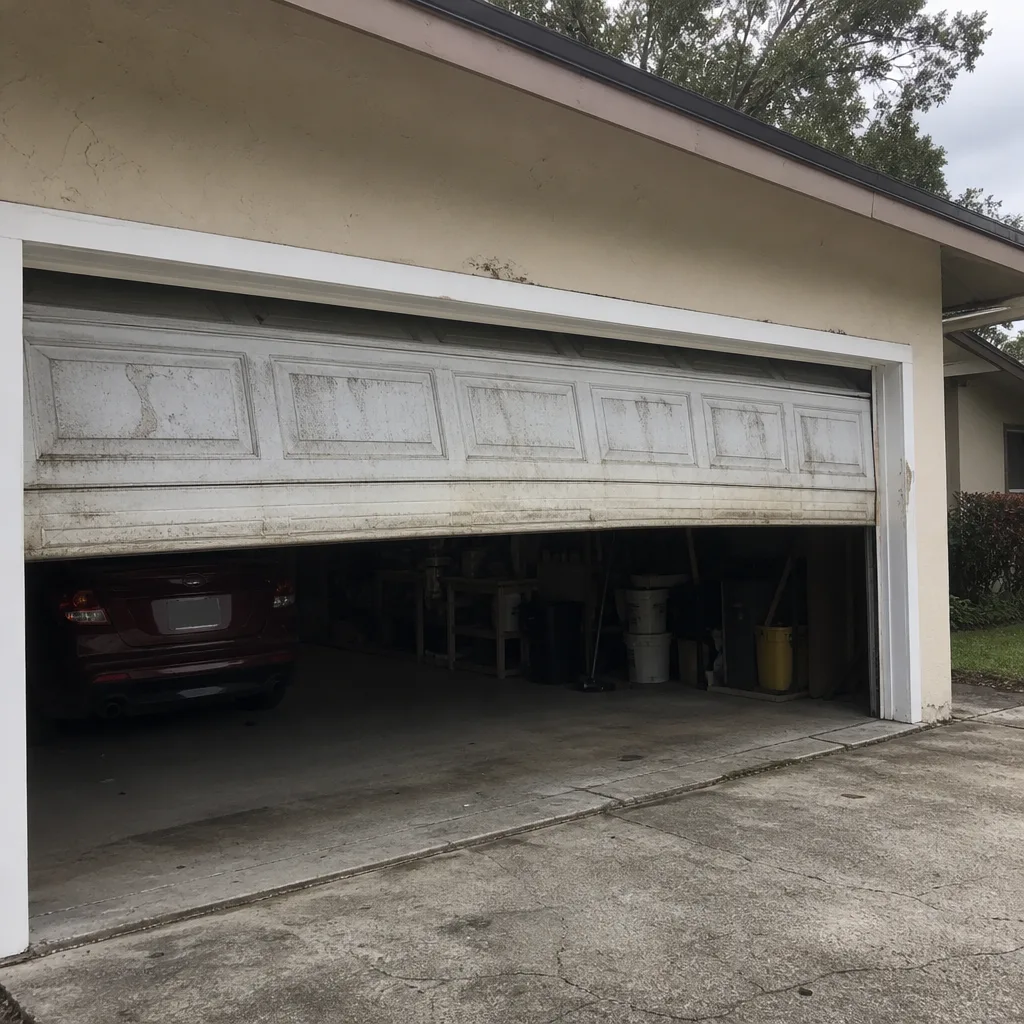 Before
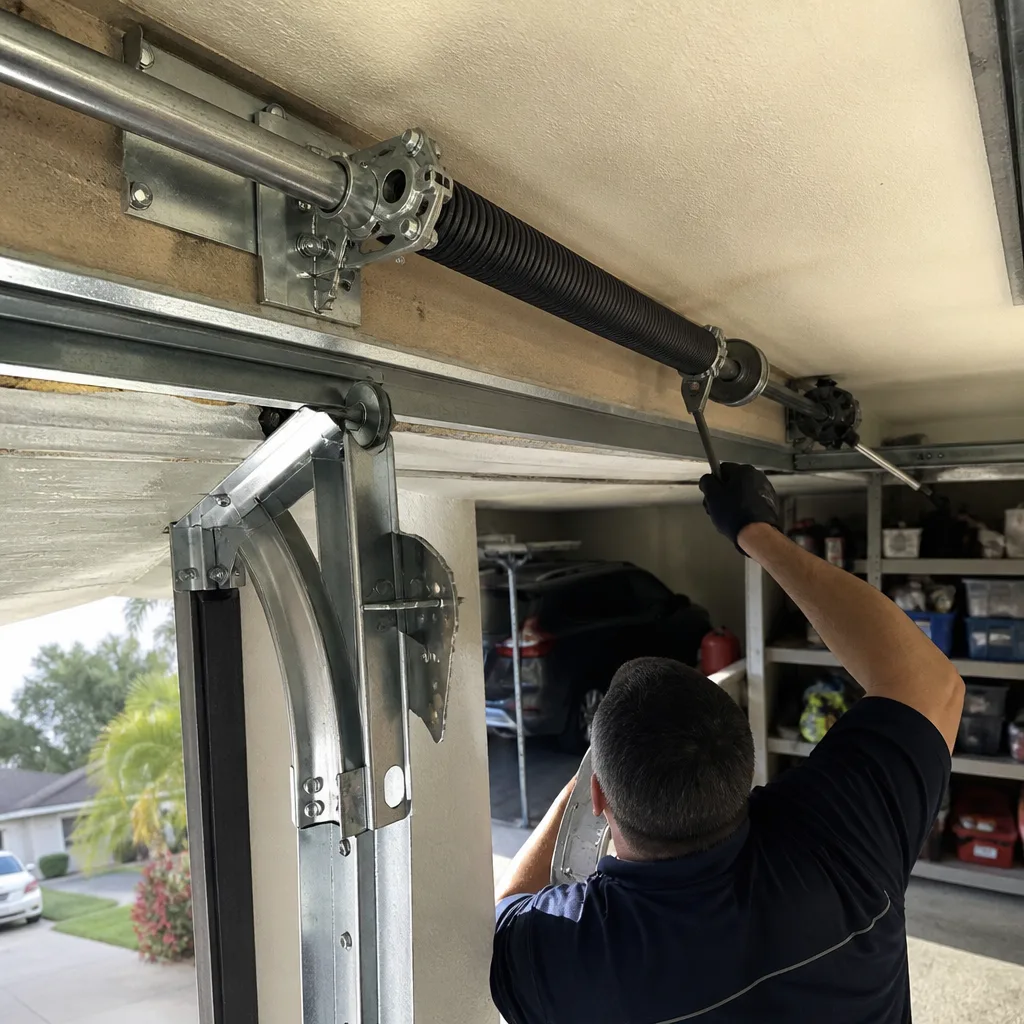 After
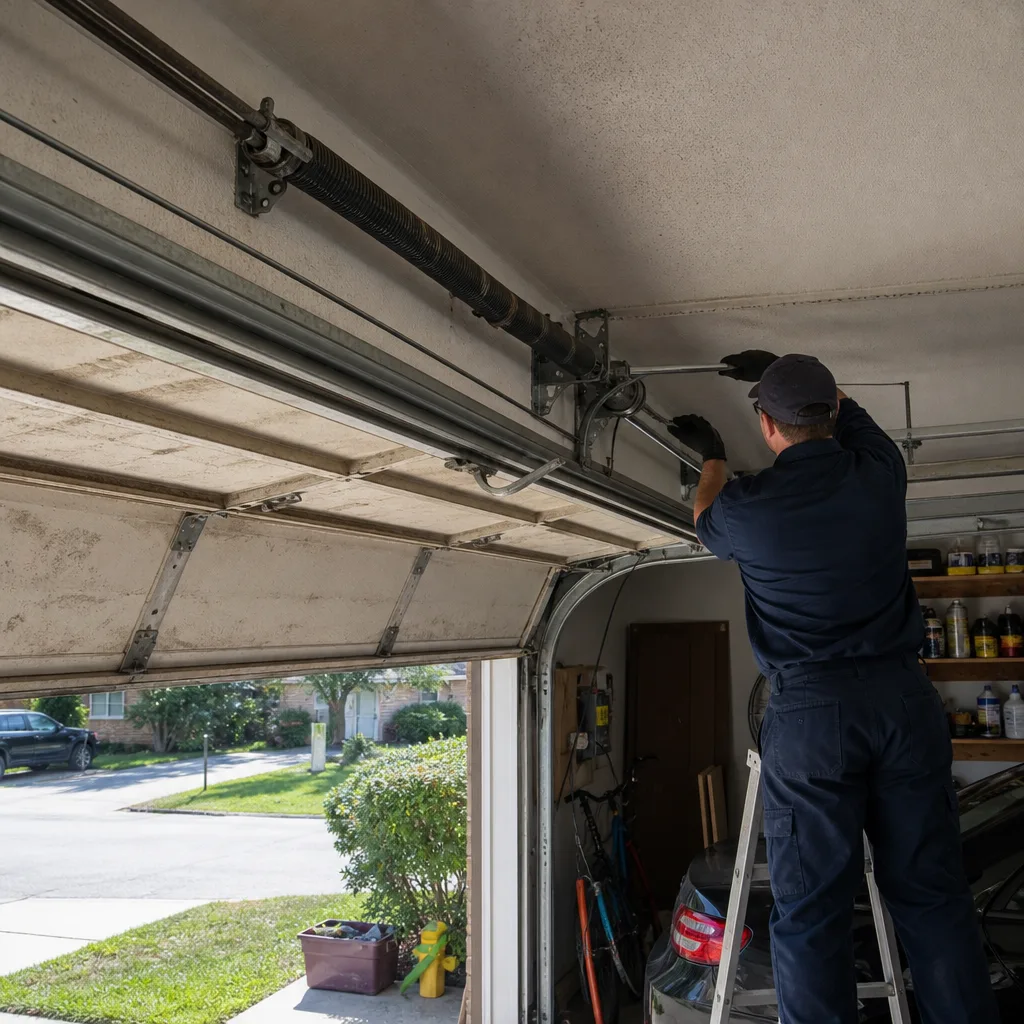 Before
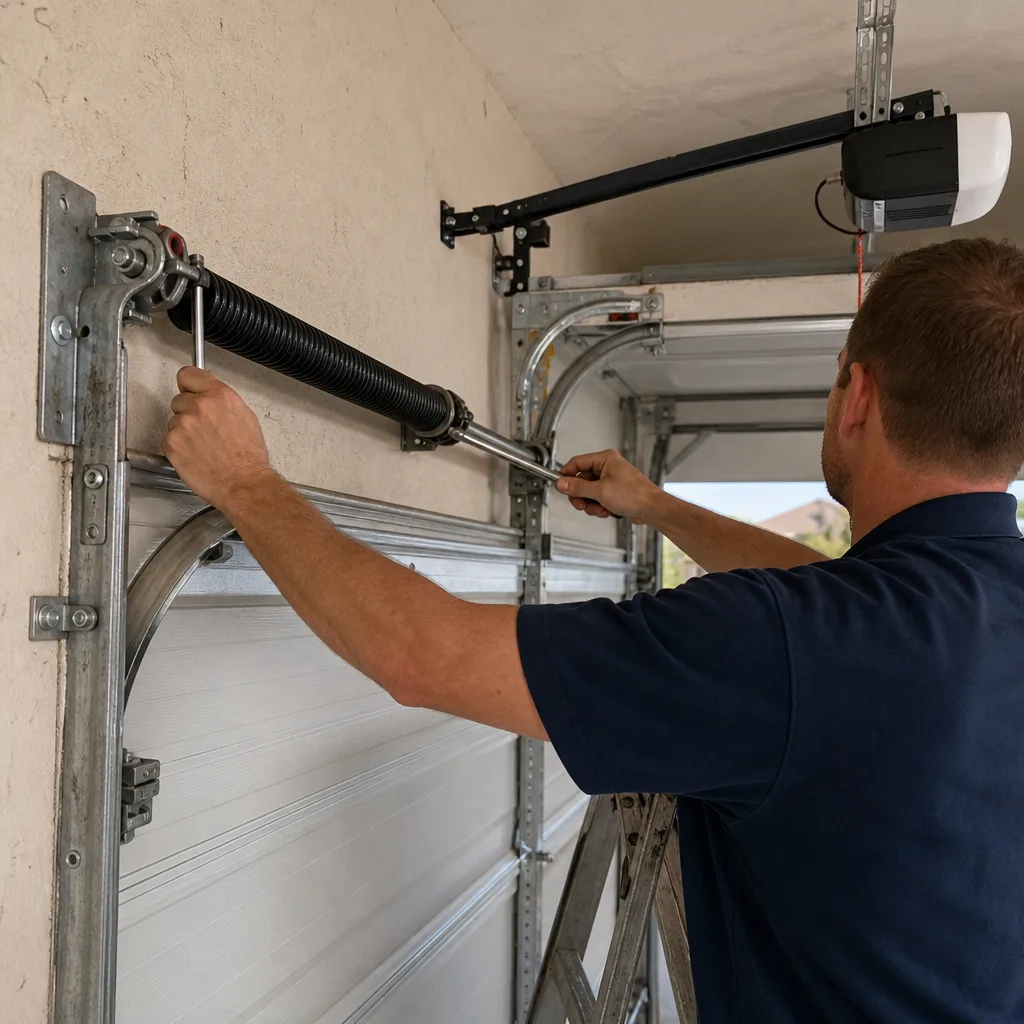 After
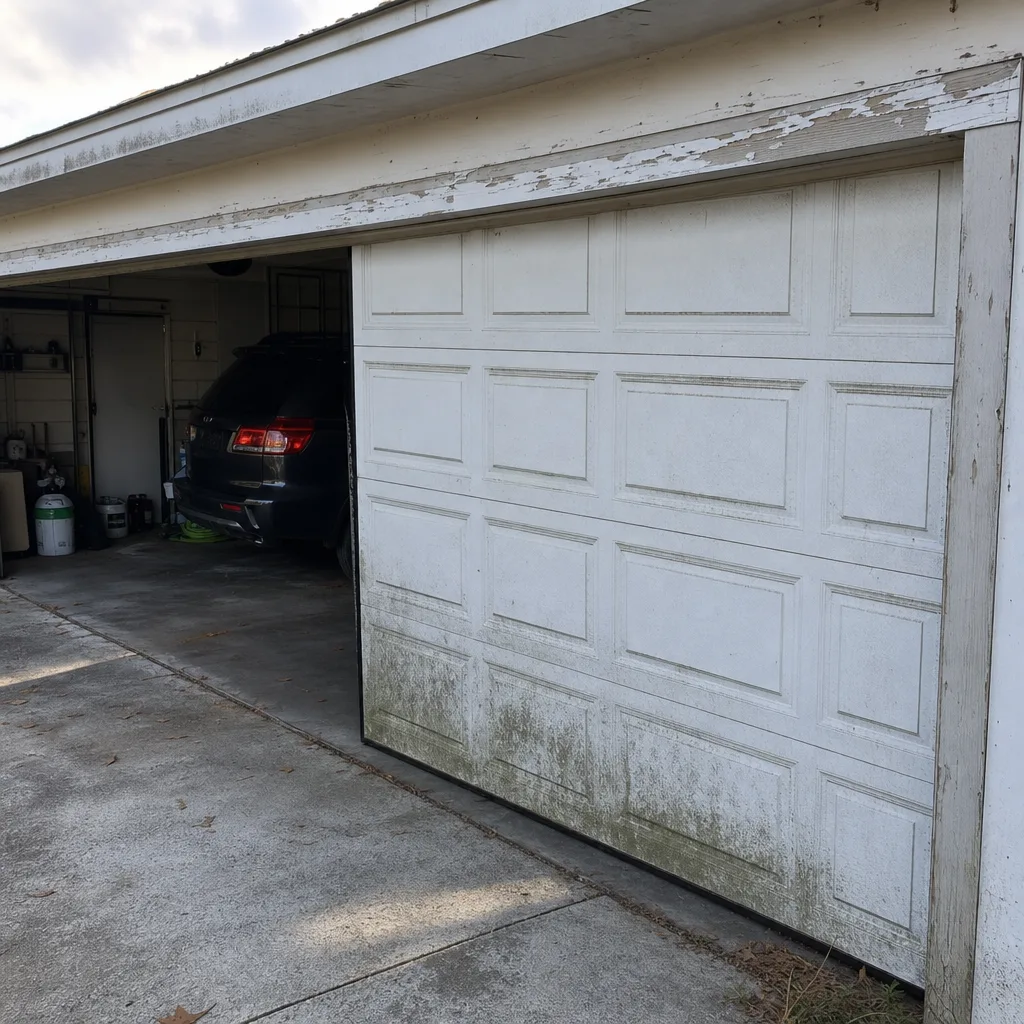 Before
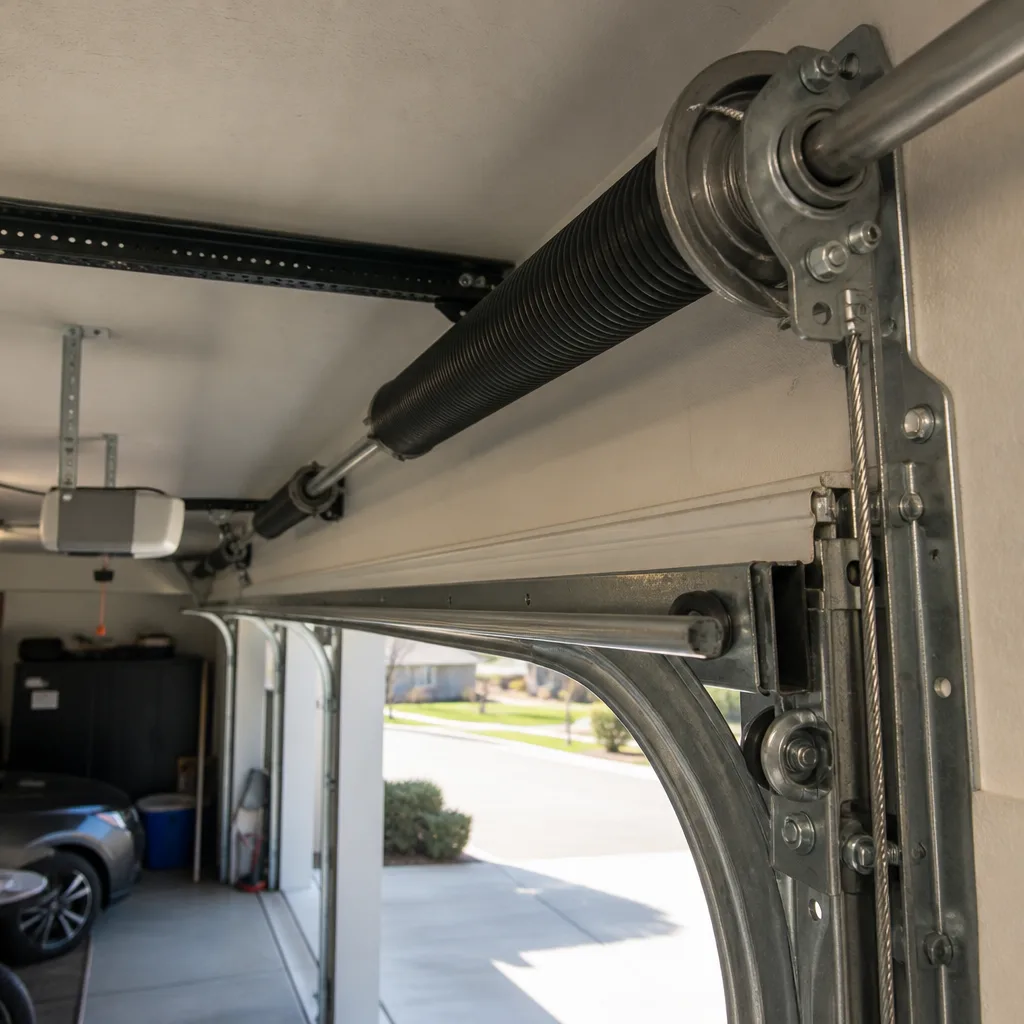 After