Last updated October 30, 2026
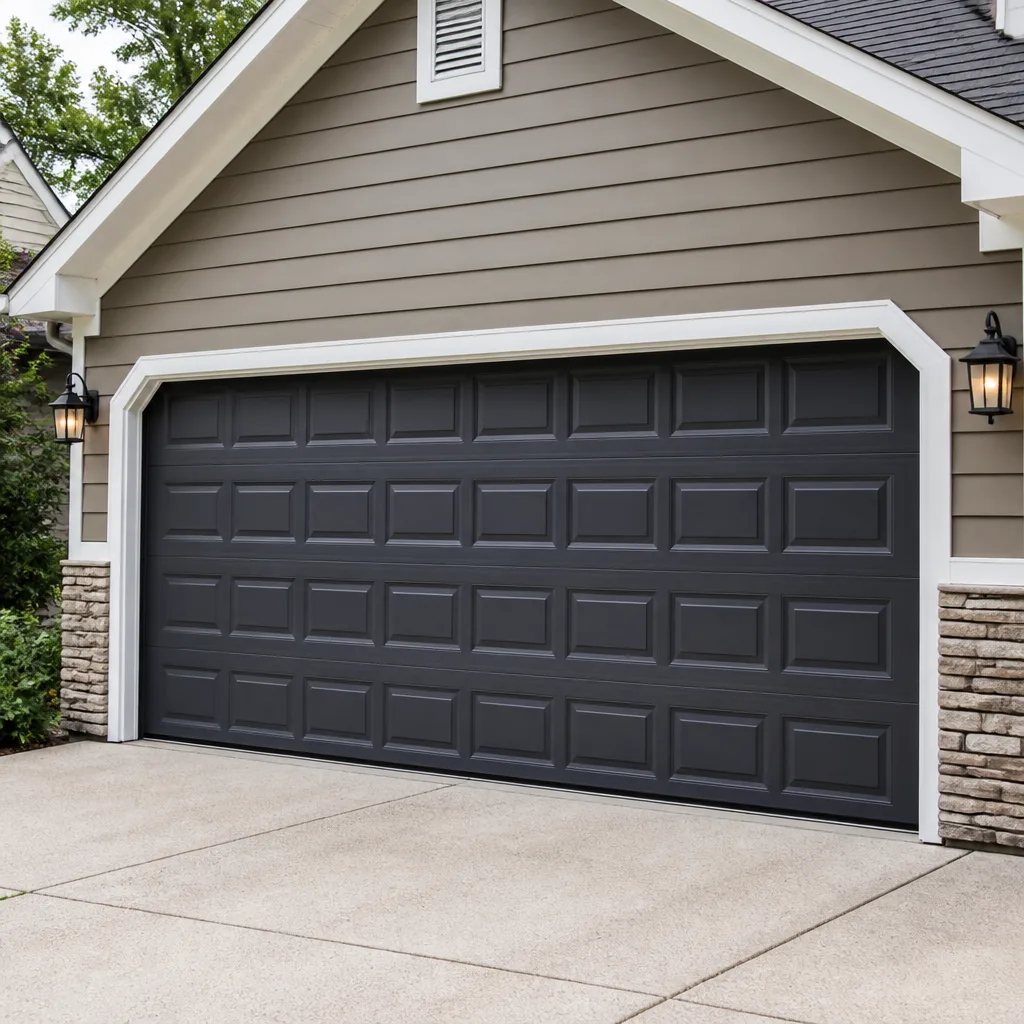 Raised-panel steel
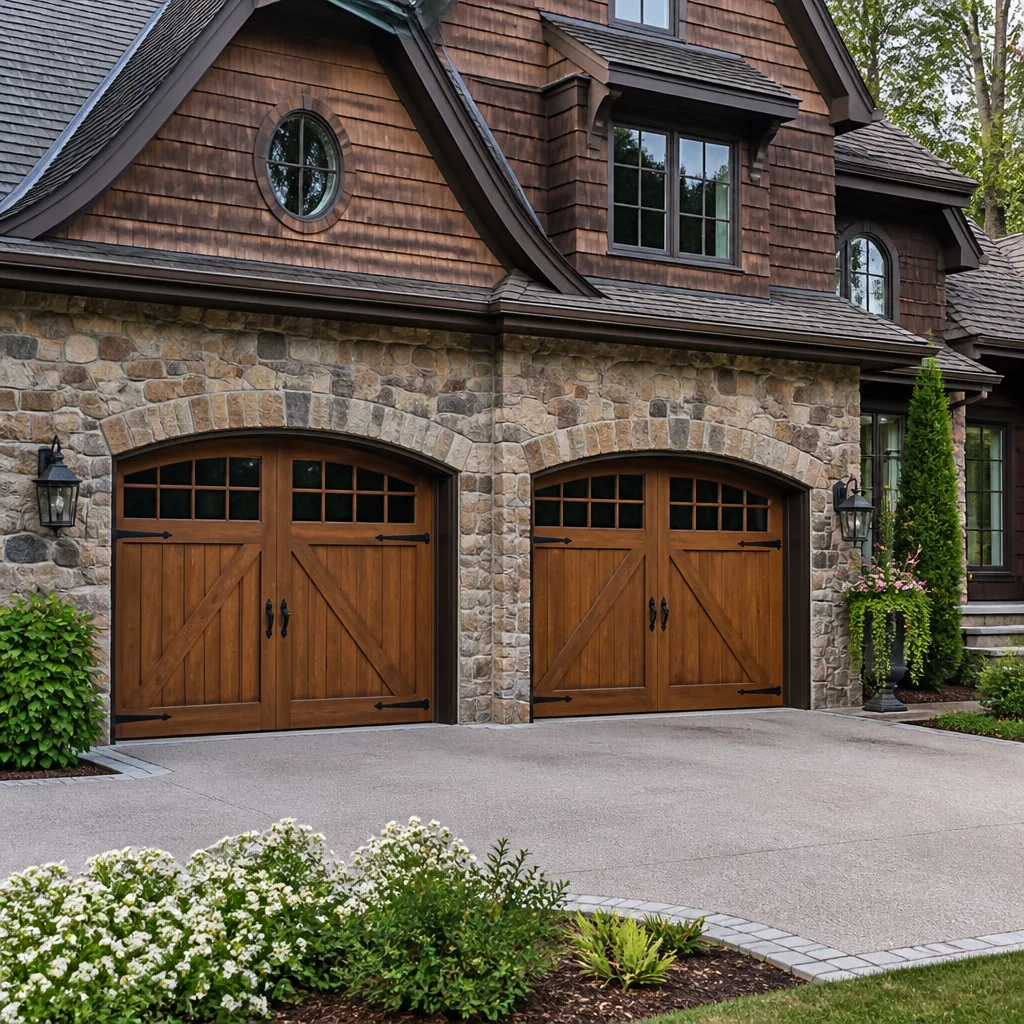 Carriage house
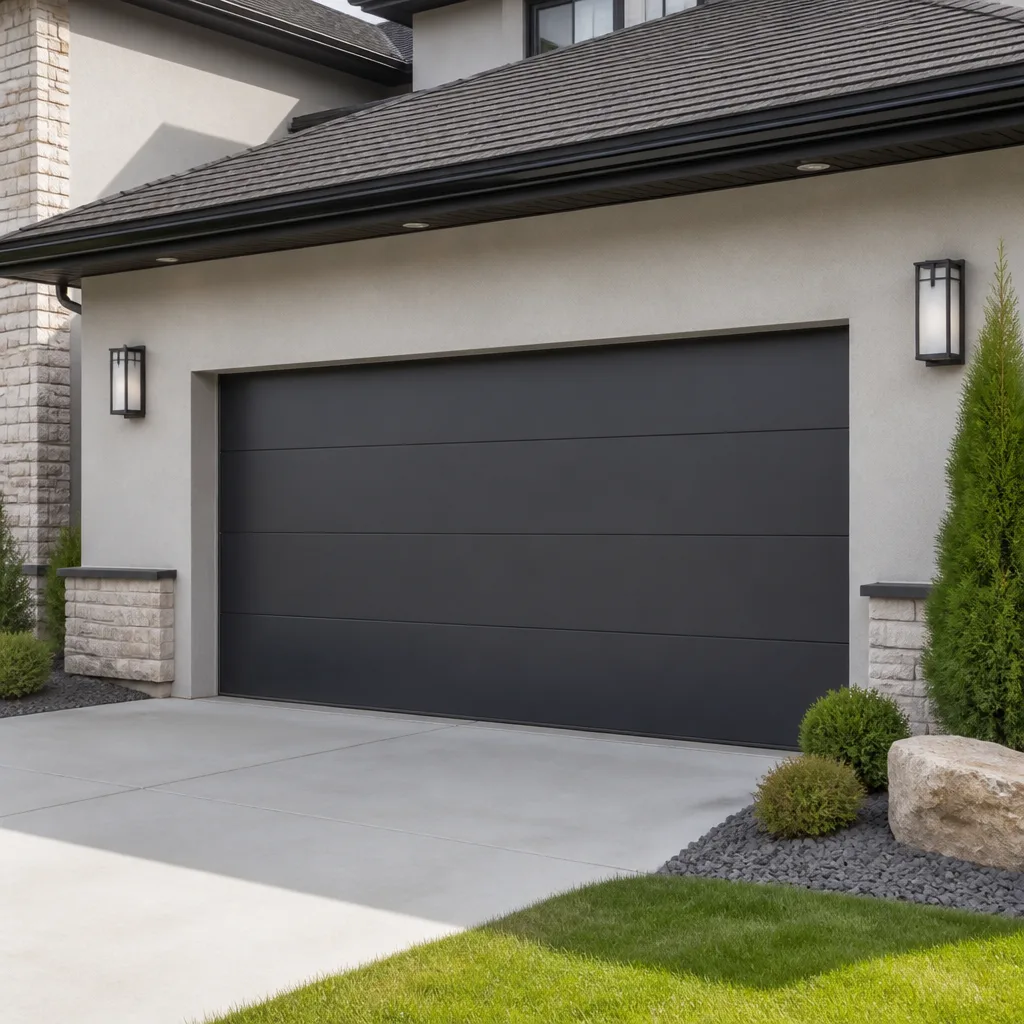 Modern flush
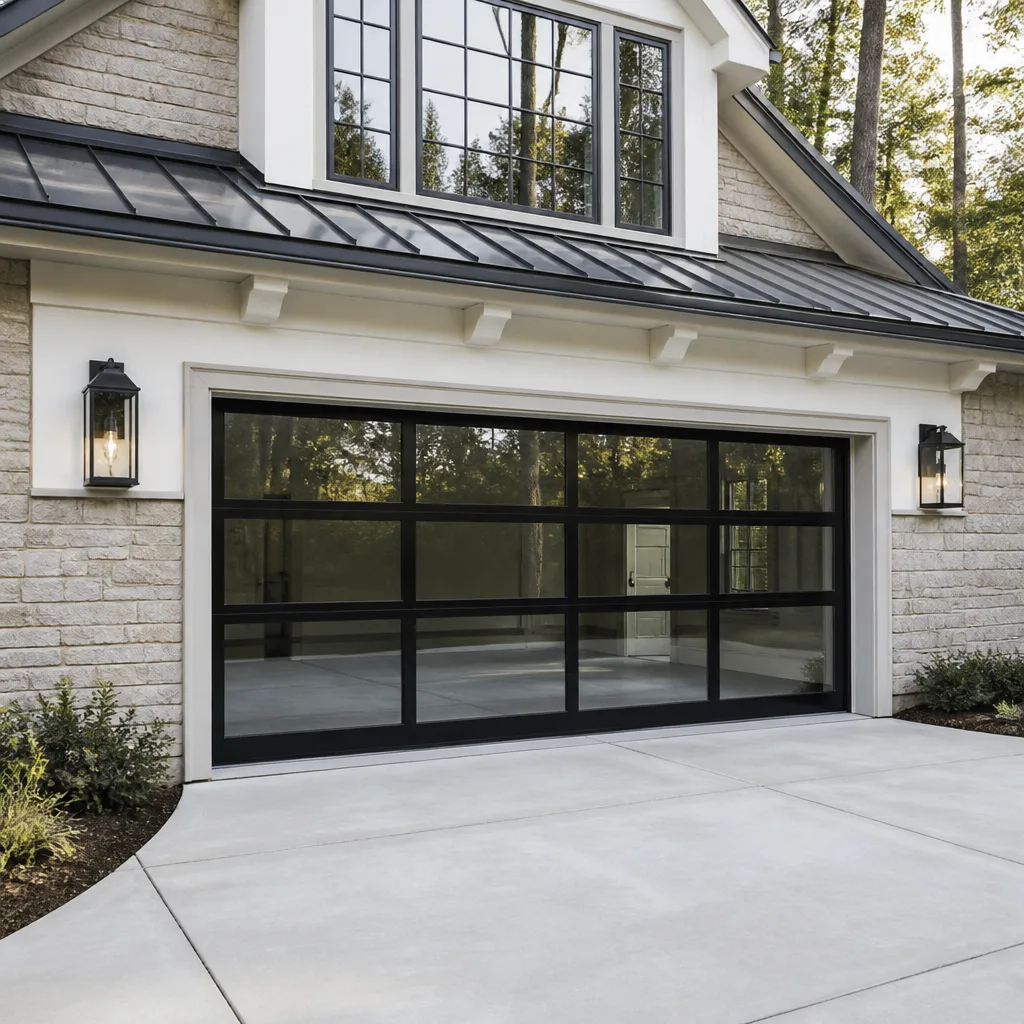 Full-view glass
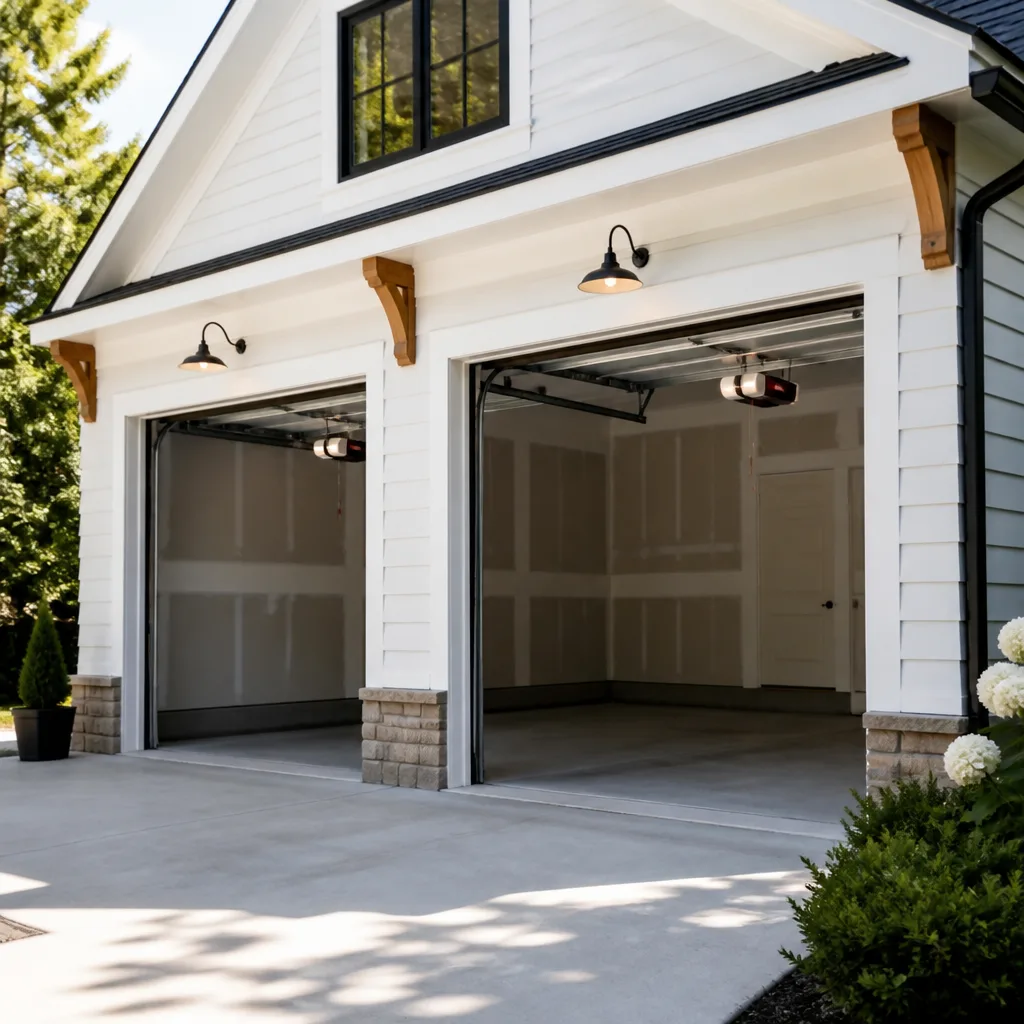 LiftMaster openers
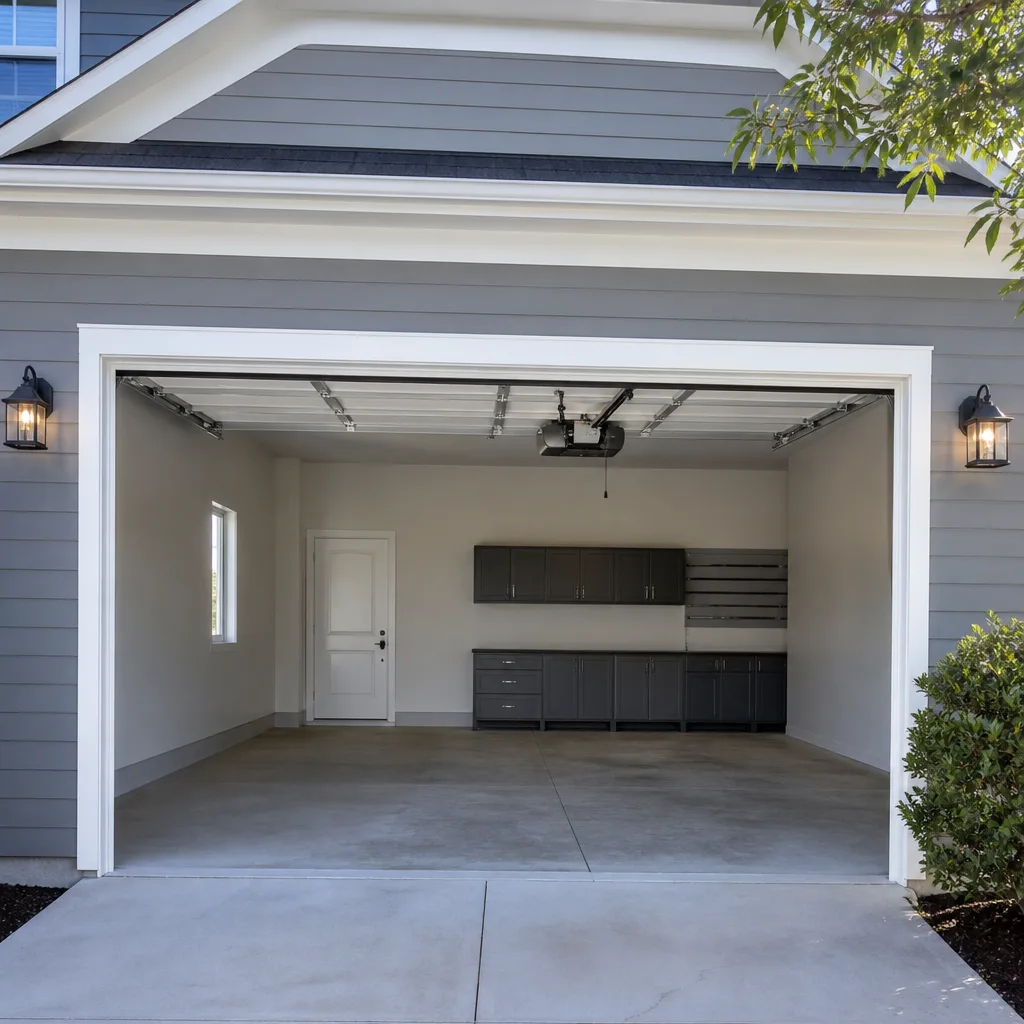 Chamberlain openers
Full 25-point door and opener safety check with every visit - springs, cables, rollers, tracks, and your LiftMaster or Chamberlain opener included
You get a price before we start. It does not change when the truck arrives.
Get your free estimateThe Complete Guide to Garage Door in Melbourne
Most garage door guides are written for Phoenix or Atlanta homeowners and quietly copy-pasted for everywhere else. Melbourne’s combination of ocean air, Code-plus wind requirements, and 90% summer humidity means half that advice will cost you money. A door that performs flawlessly in Dallas can corrode, fade, and fail code here within five years. This guide covers what actually matters in Melbourne: wind ratings, salt-air corrosion, material choices that survive UV intensity, and the brands that maintain real service networks in Brevard County. You’ll learn how to buy, maintain, and repair a garage door that lasts in this specific environment. For more guides & resources tailored to Melbourne homeowners, explore our blog.
Quick Answer
A garage door in Melbourne, FL needs to meet Brevard County wind-load requirements, resist salt-air corrosion with galvanized or stainless hardware, and use materials rated for intense UV exposure. The right door depends on your distance from the coast, your HOA covenants, and whether your priority is hurricane protection, longevity, or curb appeal. Budget $800 – $4,000 for a standard installation depending on material and insulation—see our Garage Door Cost Breakdown: The Melbourne Homeowner’s Reference for 2026 for detailed pricing—and expect to replace springs every 7 – 10 years in Melbourne’s humid climate.
Styles & brands we work with
Table of Contents
- Why Melbourne’s Wind Code Changes What You Can Install
- Salt Air and Your Garage Door: The Corrosion Problem Nobody Talks About
- Best Garage Door Materials for Melbourne’s Climate
- Which Brands Actually Have Service Networks in Brevard County
- HOAs, Kennedy Space Center, and Door Aesthetics in Melbourne
- A Melbourne-Specific Maintenance Calendar
- Repair vs. Replace: How to Decide
- Common Mistakes to Avoid
- When to Call a Professional
- Frequently Asked Questions
Why Melbourne’s Wind Code Changes What You Can Install
Brevard County sits entirely within Florida’s High Velocity Hurricane Zone, but the specific wind-load requirements vary by exact location. Homes within one mile of the Indian River Lagoon or the Atlantic coast face the strictest standards, with design wind speeds reaching 150 mph or more in exposed areas. Homes further inland, like parts of West Melbourne or Palm Bay’s western edges, fall into lower wind zones, but “lower” in Florida still means a door rated for at least 130 mph. That’s not a suggestion. It’s Florida Building Code Chapter 16, and it applies to every new installation and most major repairs.
What this means practically: you cannot order any door online and expect it to pass a Melbourne inspection. The door must carry a Florida Product Approval number or Miami-Dade NOA (Notice of Acceptance) specific to the wind zone of your address. Doors without this documentation get flagged, and you’ll either pay to replace them or fail a home sale inspection later. We’ve seen homeowners buy a door from a big-box store only to discover it was rated for inland Georgia, not coastal Brevard.
Here’s how to check compliance in five steps:
- Find your wind zone using the City of Melbourne’s GIS map or by asking the building department directly.
- Confirm the door you’re considering carries a Florida Product Approval or Miami-Dade NOA that matches your zone.
- Verify the installation method specified by the approval: some doors require reinforcing struts, others require specific track mounts or jamb brackets.
- Keep the approval documentation with your home records. Insurance adjusters and inspectors will ask for it.
- If you’re replacing an existing door, check whether the opener also needs a wind-load rating. Melbourne code applies to the entire assembly, not just the panel.
Impact-rated doors are not always required in every Melbourne neighborhood, but they’re becoming standard in new construction east of I-95. Impact-rated means the door has been tested to withstand a 2×4 fired at 34 mph without breaching. It’s a step beyond wind-rated, which only addresses deflection and blowout. If you’re within a mile of the coast, or if your home was built after 2015, it’s worth checking whether your specific address falls under an impact requirement. The difference in cost is real: impact-rated doors typically run 30 – 50% more than wind-rated equivalents, but the insurance discount often offsets that over three to five years.
The key takeaway: wind code in Melbourne isn’t a bureaucratic footnote. It’s the single most important factor in choosing a door, and it varies by neighborhood in ways that generic guides never mention. Our team at Garage Door Repair in Melbourne handles these code questions daily.
Salt Air and Your Garage Door: The Corrosion Problem Nobody Talks About
Melbourne sits on a barrier island system, and the salt air doesn’t stop at the shoreline. Prevailing easterly winds push marine aerosol inland for several miles, which means homes in Eau Gallie, Indialantic, and even parts of Suntree face corrosion risks that inland Florida never sees. The result is predictable: steel hardware that would last 15 years in Orlando lasts 7 or 8 near the coast, sometimes less.
The difference comes down to galvanized versus stainless hardware. Galvanized steel gets a zinc coating that sacrifices itself to protect the base metal. It’s fine for inland Brevard, but within two miles of the ocean, that zinc layer disappears faster than manufacturers expect. Stainless steel, particularly 316 marine-grade, is the right call for coastal Melbourne homes. The cost difference is modest, usually $100 – $200 on a full hardware replacement, but the lifespan difference is dramatic.
Specific components to watch:
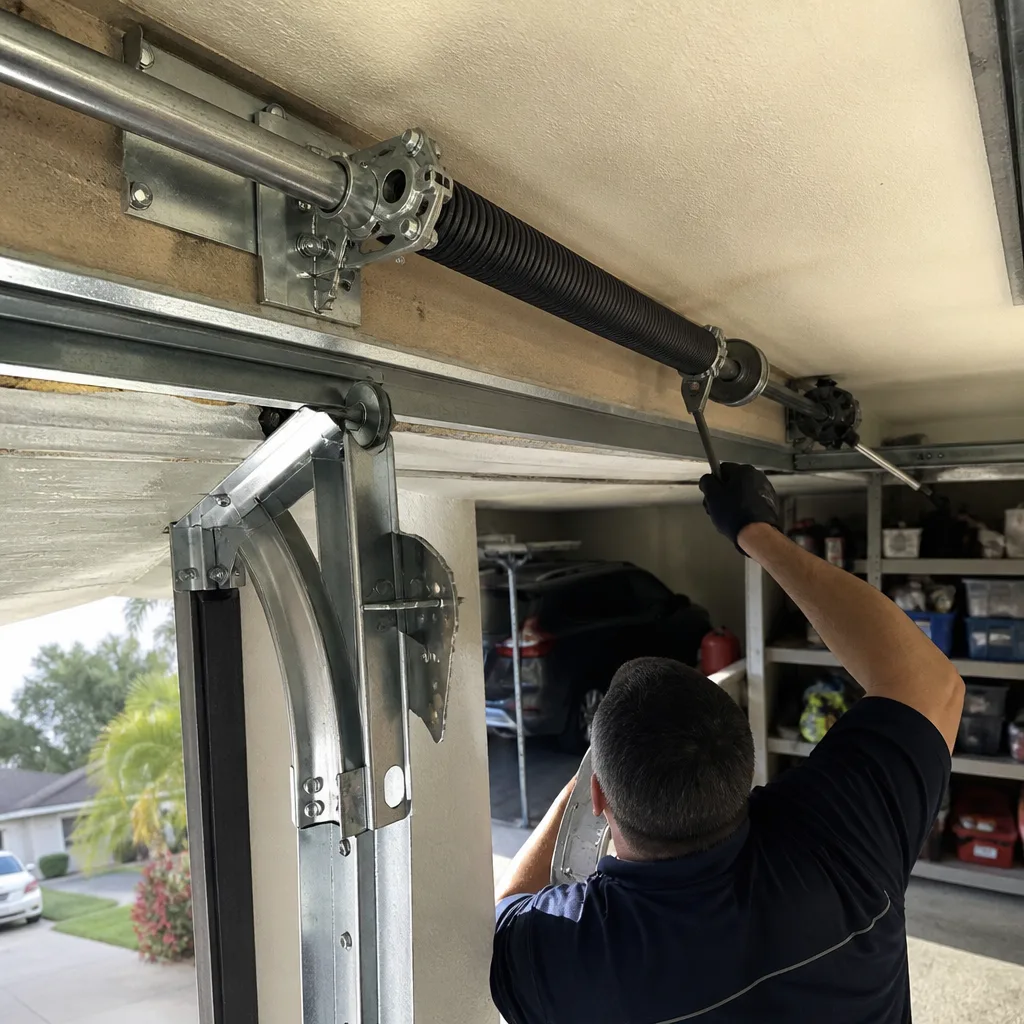
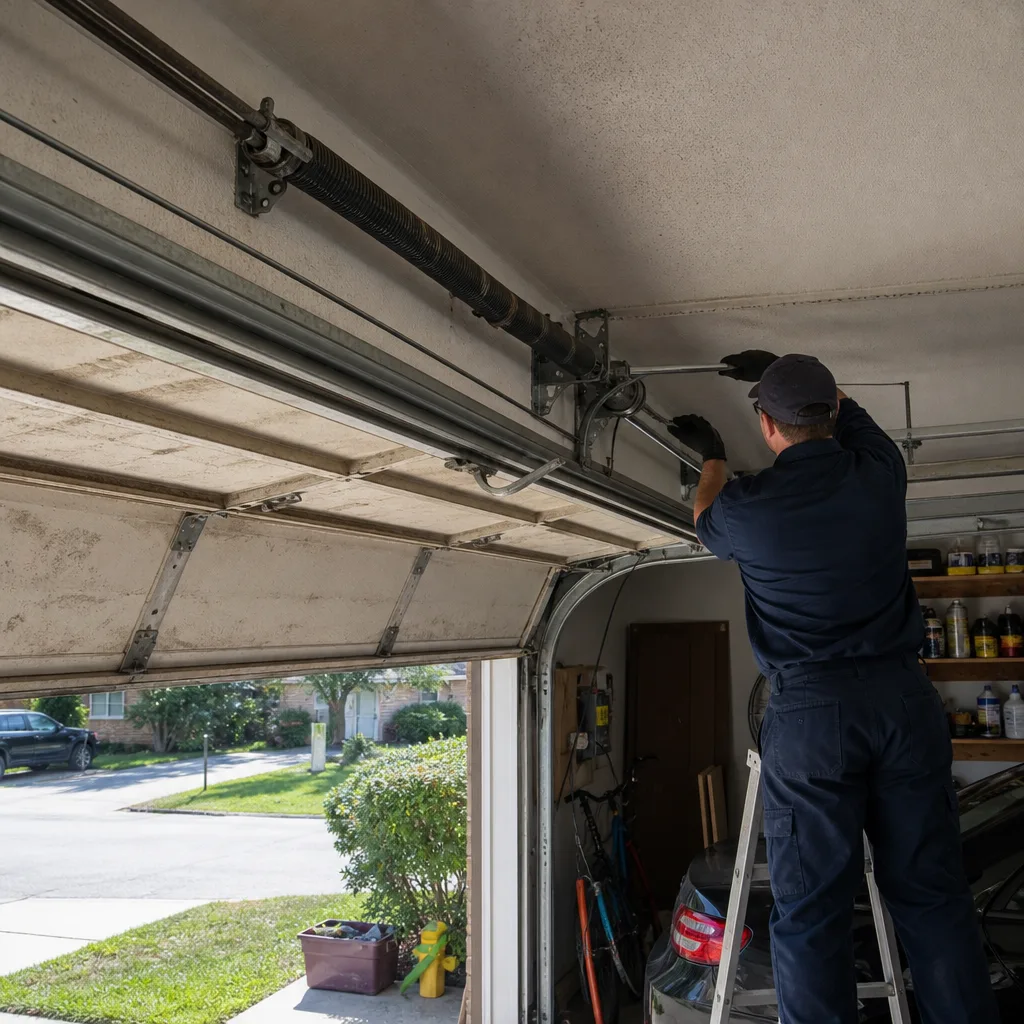
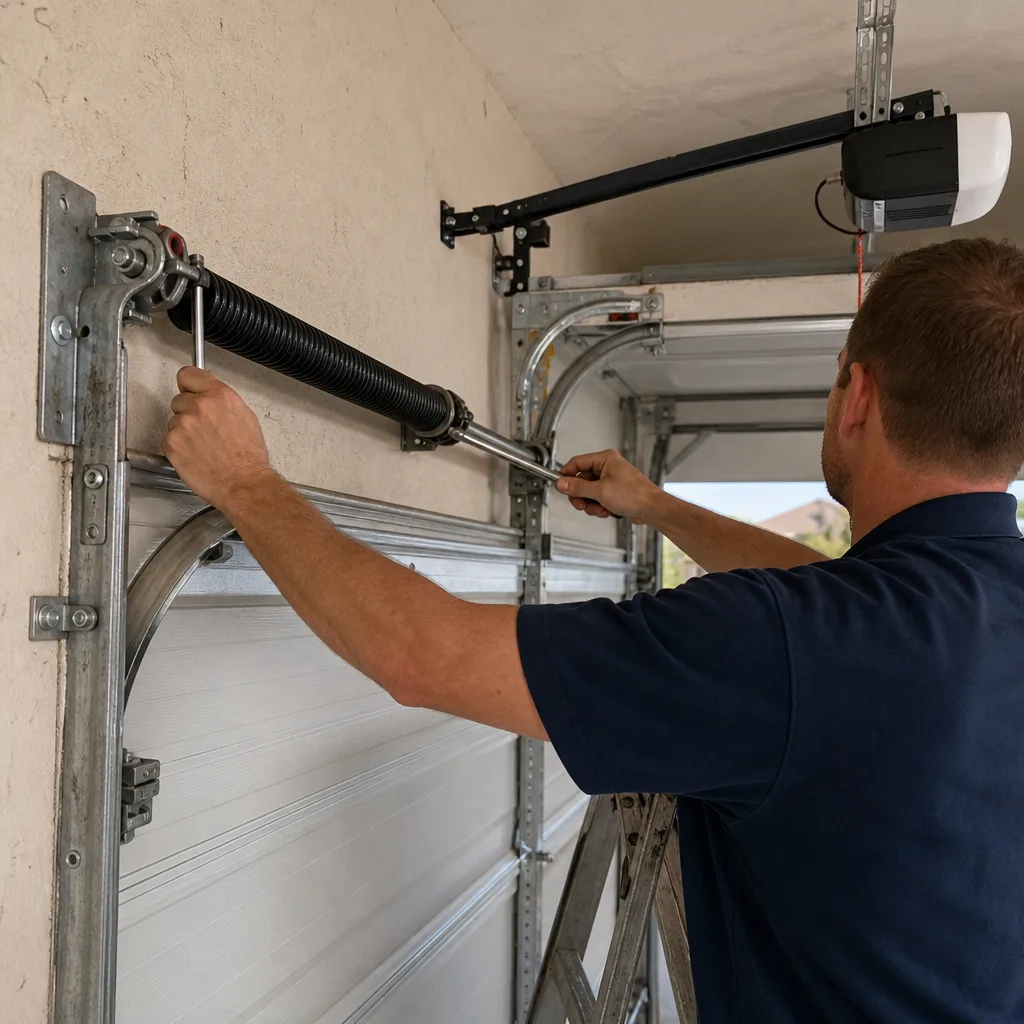
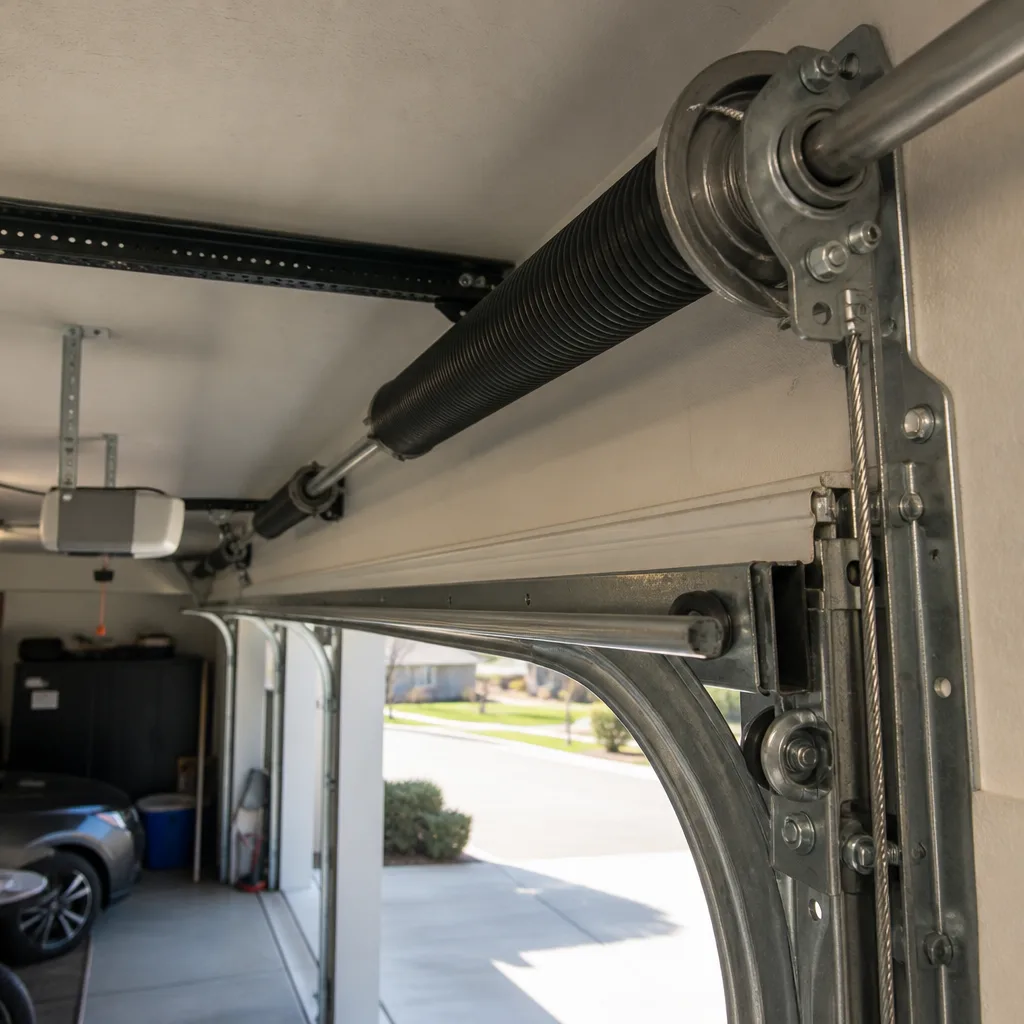
- Springs: Oil-tempered springs rust faster in salt air. Galvanized springs help, but coastal homes often benefit from powder-coated springs, which add a polymer layer over the metal.
- Rollers: Nylon rollers with stainless steel ball bearings are the standard for coastal applications. Cheap steel rollers seize up and chew through tracks.
- Hinges and brackets: These take the brunt of salt exposure. Stainless hinges cost about $10 – 15 each compared to $4 for galvanized, and they’re worth every dollar within three miles of the water.
- Track assemblies: Galvanized track is usually sufficient, but check for rust at the bolt holes where the zinc coating gets compromised during installation.
- Opener chassis: The opener itself sits inside the garage, but humid, salty air still finds its way in. Look for openers with corrosion-resistant circuit boards if you’re near the coast.
In our experience, Melbourne homeowners who live east of US-1 should budget for hardware replacement on a 7 – 8 year cycle, even if the door panels themselves are fine. It’s cheaper than waiting for a spring failure at 7 a.m. on a workday. The Ironstone Garage Door Repair home page outlines how we diagnose corrosion issues before they become failures.
Best Garage Door Materials for Melbourne’s Climate
Melbourne’s UV intensity is brutal on certain door materials. The combination of near-tropical sun angles, reflected light off the water, and 260+ days of sunshine annually means that painted steel doors fade and chalk faster here than in most of the country. Wood doors warp and rot in the humidity. The sweet spot for most Melbourne homes is either steel with a high-quality factory finish or fiberglass composite, with aluminum as a coastal-specific option.
Here’s how the main materials perform in Melbourne’s specific environment:
- Steel (26-gauge minimum): The most common choice, but quality varies enormously. Factory-finished steel with a polyurethane topcoat holds up well. The problem is field-painted steel, which starts showing UV damage within 3 years. For Melbourne, choose a factory finish from a reputable brand like Clopay or Amarr, and avoid the cheapest 28-gauge panels that dent easily and rust at the edges.
- Fiberglass composite: Excellent UV resistance, won’t rust, and doesn’t warp the way wood does in humidity. Not as common in Melbourne as it should be. The downside is impact resistance: fiberglass can crack on hard impact, but it’s a good choice for homes more than a mile from the coast that don’t need impact-rated doors.
- Aluminum: Naturally rust-resistant, which makes it suitable for direct oceanfront properties. But aluminum dents easier than steel, and the full-view glass panel style popular in beach communities has very poor insulation values. If you’re buying a beachfront home in Melbourne and want the view, pair aluminum with laminated impact glass.
- Wood: Beautiful, and common in older Melbourne neighborhoods like downtown and parts of Eau Gallie. But wood requires annual refinishing in this climate, and even well-maintained wood doors develop warping issues in 90% humidity. If you’re replacing a wood door, consider a wood-look steel door for the same aesthetic without the maintenance.
- Wood composite: A middle ground that mimics wood but resists warping. Holds up reasonably well in Melbourne if installed with proper weatherstripping.
For most Melbourne homes more than a mile from the beach, we recommend a 26-gauge steel door with a factory-applied finish, insulated with either polystyrene or polyurethane. Polyurethane insulation costs more but provides double the R-value of polystyrene, which matters when your garage faces west and absorbs afternoon sun. West-facing doors in Melbourne can swing 40 degrees between morning and afternoon temperatures, and the right insulation keeps that from bleeding into your home.
Which Brands Actually Have Service Networks in Brevard County
This is where generic guides fall apart. They’ll tell you that brand X is “best” without considering whether anyone in your area stocks parts or knows how to service it. In Melbourne, the practical reality is that some brands maintain strong authorized service networks in Brevard, while others rely on drop-shipping parts from distribution centers in Orlando, Jacksonville, or even out of state.
Clopay and Amarr both maintain significant presence in Florida generally, and Brevard specifically, because of the volume of hurricane-rated door demand. Their wind-load documentation is widely accepted by Melbourne building inspectors. Wayne Dalton has a solid footprint, and Craftsman remains common in older homes, though newer Craftsman openers are made by the same manufacturers as Chamberlain and LiftMaster. If you own a Craftsman opener, you’ll find parts readily available, but dedicated service expertise is thinner than it was a decade ago.
Ironstone Garage Door Repair works across eight major brands: LiftMaster, Chamberlain, Genie, Clopay, Amarr, Wayne Dalton, Craftsman, and Raynor. That breadth matters because Melbourne’s housing stock is diverse. A home built in the 1980s in Lake Washington might have a Wayne Dalton door with a Genie opener, while a new construction in Viera has a Clopay door with a LiftMaster opener. A generalist who only knows one brand will guess at the other. We diagnose the actual system in front of us, which means faster, accurate fixes, not trial-and-error.
The practical advice: before buying any door or opener, ask whether your installer carries parts locally for that brand, or whether every service call starts with a 3 – 5 day parts shipment. If your door is the barrier between your car, your tools, and the weather, five days is a long time to wait.
HOAs, Kennedy Space Center, and Door Aesthetics in Melbourne
Melbourne’s HOA landscape is more complex than most cities its size, and the Kennedy Space Center’s proximity shapes some of it. Communities near the Space Center, particularly those in the northern parts of Brevard and around Suntree and Viera, often have strict architectural covenants that govern door color, style, and even window configuration. Some HOAs require carriage-house styling. Others prohibit full-view doors. A few restrict wind bracing visible from the street, which creates a tension with code requirements that mandate external reinforcement in some zones.
Before you buy a door, three things to check:
- Your HOA’s architectural guidelines: some require approval before installation, not just for painting. Get written approval and keep it.
- Whether your planned door’s visible hardware conflicts with aesthetic rules. External struts required by wind code may violate some covenants, and some HOAs have approved alternative reinforcement methods.
- Color matching: many Melbourne HOAs have approved palettes that differ from manufacturer standard colors. Factory-finish color matching avoids the fading issues that field painting creates in this climate.
Beyond HOA rules, there’s a practical consideration: doors that reflect heat poorly can bake your garage and everything in it. Melbourne afternoon sun is intense, and a dark door facing west will make your garage 10 – 15 degrees hotter than the outside air. If your HOA allows color choice, lighter colors or reflective finishes perform measurably better here. It’s not just comfort; it’s the lifespan of whatever you store in the garage. For homes considering a full replacement that meets both code and covenant requirements, Garage Door Installation in Melbourne walks through the process we follow with HOAs and building departments.
A Melbourne-Specific Maintenance Calendar
Most maintenance advice is generic: lubricate the rollers, check the balance, test the safety sensors. All true, but Melbourne’s climate demands a specific cadence. Here’s a month-by-month schedule that accounts for salt air, humidity, and storm season.
- January – February: Post-storm inspection. Check for salt residue on hardware, especially if you live east of US-1. Wipe down tracks and springs with a dry cloth. Lubricate rollers, hinges, and springs with a silicone-based lube, never WD-40.
- March – April: Check weatherstripping. Melbourne’s transition from dry to humid weather exposes cracked seals. Replace any brittle or torn bottom seals now, before summer humidity gets inside.
- May: Hurricane prep begins. Test the door’s wind-load reinforcement if you have it. Confirm the opener’s battery backup works. Photograph the door and hardware for insurance records.
- June – September: Weekly visual inspections during storm season. Check for rust spotting on springs and hinges after heavy rain. Clean salt spray after coastal storms. If a storm warning is issued, brace the door according to manufacturer instructions.
- October – November: Deep clean. Melbourne’s dry season is the right time to wash the door panels with mild soap and water, inspect for paint chips or rust spots, and touch up with factory-matched paint where needed.
- December: Professional tune-up. This is the smart time for a full inspection. Parts get replaced at lower demand, and you head into January’s post-storm season with a door that’s ready. If you’re unsure about opener issues specifically, Garage Door Opener Repair in Melbourne covers common opener failures we see in this climate.
One Melbourne-specific note: salt air accelerates spring corrosion even when the door is barely used. A spring that sits in humid, salty air will rust faster than one that cycles daily but stays dry. If your garage faces east and you live near the river, check springs monthly during summer, not seasonally.
Repair vs. Replace: How to Decide
Our repair-first philosophy at Ironstone comes from seeing too many Melbourne homeowners sold a new door when a $200 repair would have solved the problem for years. But there are times when replacement is the honest answer. See our DIY vs Professional Garage Door: The Melbourne Homeowner’s Decision Guide for help deciding when to call in a pro. Here’s how to decide.
Repair is usually the right call when:
- The door is under 12 years old and the panels are structurally sound
- The problem is a specific component: broken spring, snapped cable, bent track, opener gear failure
- The door opens and closes, even if it’s noisy or slow
- The frame and mounting points are intact
Replacement makes sense when:
- The door is more than 15 years old and has multiple failing components
- Rust has compromised the panel structure, not just the hardware
- The door doesn’t meet current wind code and needs significant reinforcement
- You want insulation and your current door is uninsulated, which is common in older Melbourne homes
- The cost of repairs exceeds 50% of a new door’s cost
The math is straightforward: a new spring costs $150 – $350. A new door costs $800 – $4,000. Unless the door itself is failing, repair wins. We’ve fixed doors in Melbourne that other companies quoted for replacement, and the doors are still running years later. That’s the difference between a company that makes money on installations and one that makes money on honest assessments.
Common Mistakes to Avoid
- Buying a door without checking Florida Product Approval: This is the most expensive mistake we see in Melbourne. A door that isn’t code-compliant for your wind zone fails inspection, and you’ll either pay to remediate or replace it. Always verify the approval number before purchase.
- Using galvanized hardware within two miles of the coast: It will fail early, and the failure is rarely graceful. Springs snap, rollers seize, and tracks rust through at the bolt holes. Spend the extra $100 – 200 on stainless.
- Lubricating with WD-40: WD-40 is a solvent, not a lubricant. It displaces moisture but leaves metal dry, which accelerates corrosion in salt air. Use a silicone-based garage door lubricant.
- Ignoring the opener during a door replacement: A new door on a 15-year-old opener is a mismatch. The opener works harder, fails sooner, and often lacks the safety features that pair with modern doors.
- Choosing a door color without considering Melbourne’s sun: Dark colors fade faster and absorb more heat. Factory finishes with UV inhibitors last longer than field paint, and lighter colors perform better on west-facing garages.
- Waiting until hurricane season to address door issues: June through November is the worst time to discover your door needs repairs. Everyone needs parts and service simultaneously, and a broken door during a storm watch is a genuine security problem. Address issues in the dry season.
- Assuming your HOA allows the door you want: We’ve seen completed installations need to be reversed because of aesthetic covenants. Get written HOA approval first.
When to Call a Professional
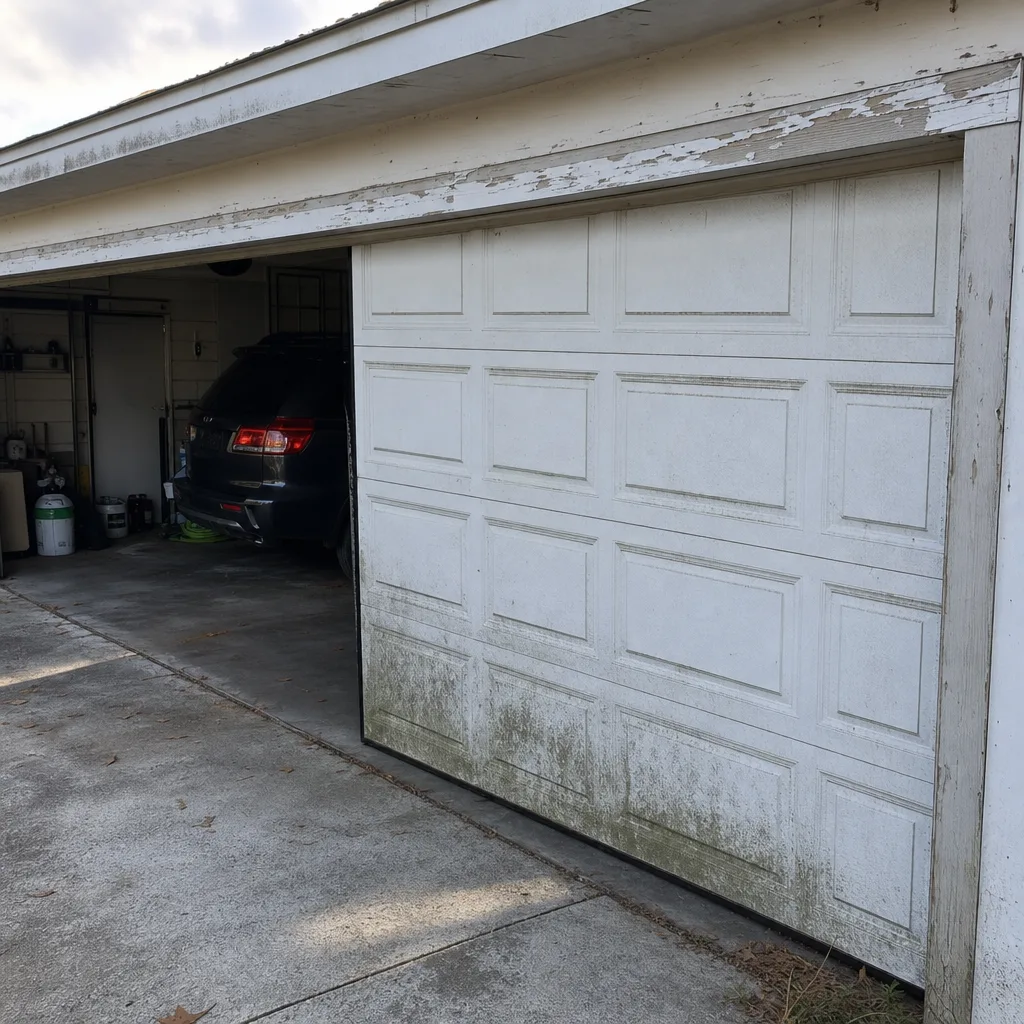
Call a professional when a spring breaks, a cable snaps, the door comes off its tracks, or the opener stops responding to both remote and wall control. These aren’t DIY repairs. For guidance on handling urgent issues safely, see our Garage Door Emergency Preparedness Guide for Melbourne Homes. Garage door springs hold enormous tension, and a spring failure during an amateur repair can cause serious injury. Cables under load are equally dangerous. If your door makes sudden, loud noises during operation, or if it moves unevenly, that’s a sign of a structural issue that needs a trained eye before it becomes a failure.
For everything else, the decision is more practical. If your door is noisy, slow, or has cosmetic damage, a tune-up or panel replacement might solve it. But if you’re unsure, the cost of an inspection is low compared to the cost of a failed door. Ironstone Garage Door Repair offers free estimates in Melbourne. Call (866) 472-4163 and we’ll tell you honestly whether you need a repair or a replacement. No pressure, just a straight answer.
Frequently Asked Questions
A new garage door in Melbourne typically costs $800 – $4,000 including installation, depending on material, insulation, wind rating, and whether impact-rated construction is required for your location. Single-car doors sit at the lower end; double-car, insulated, wind-rated doors at the higher end. Homes within a mile of the coast should budget higher because of code requirements. Call (866) 472-4163 for an exact quote based on your address and wind zone. Estimates are free.
Impact-rated doors are required for new construction in certain coastal areas of Melbourne, particularly east of I-95, but not for every existing home. Your specific wind zone and HOA requirements determine the answer. Check with the City of Melbourne building department, or have a professional verify your address against current Florida Building Code maps before you purchase.
Standard springs in Melbourne last 7 – 10 years on average, but homes within two miles of salt water often see failures in 5 – 7 years due to accelerated corrosion. Upgrading to galvanized or powder-coated springs extends that lifespan. If your garage faces the prevailing east wind, expect the shorter end of the range.
For most common repairs like broken springs, snapped cables, or opener issues, we can often schedule same-day or next-day service in Melbourne. The exception is parts that are specific to less common door models, which may require ordering. We carry parts for the eight brands we service: LiftMaster, Chamberlain, Genie, Clopay, Amarr, Wayne Dalton, Craftsman, and Raynor. Call (866) 472-4163 and we’ll tell you honestly what’s possible today.
No. We quote the price and you agree to it before any work starts. If we find additional issues during the repair, we stop and discuss them with you before proceeding. The price we quote is the price you pay, unless you approve a change in scope.
Salt air from the Atlantic and Indian River Lagoon carries marine aerosol inland for several miles, accelerated by Melbourne’s prevailing easterly winds and high humidity. This corrosion affects galvanized hardware much faster than in inland Florida. The fix is stainless or powder-coated hardware, especially for homes east of US-1, and monthly inspection of springs and hinges during summer months.
The Bottom Line
A garage door in Melbourne is not the same product as a garage door anywhere else. Wind code, salt air, UV intensity, and HOA rules all shape what works and what fails. The right approach is to buy a door that meets Brevard County code, choose hardware suited to your distance from the coast, maintain it on a schedule that accounts for storm season, and repair rather than replace whenever honest diagnosis says the door has life left. That’s how you get a garage door that lasts in this environment, without overpaying for features you don’t need or under-specifying things you do.
Need help with your garage door? Call Ironstone Garage Door Repair at (866) 472-4163 for a free estimate in Melbourne. We’ll tell you what’s wrong, what it costs, and whether repair or replacement is the right call. No upsell, no guesswork.
Written by the team at Ironstone Garage Door Repair, serving Melbourne since 2016.
See the difference
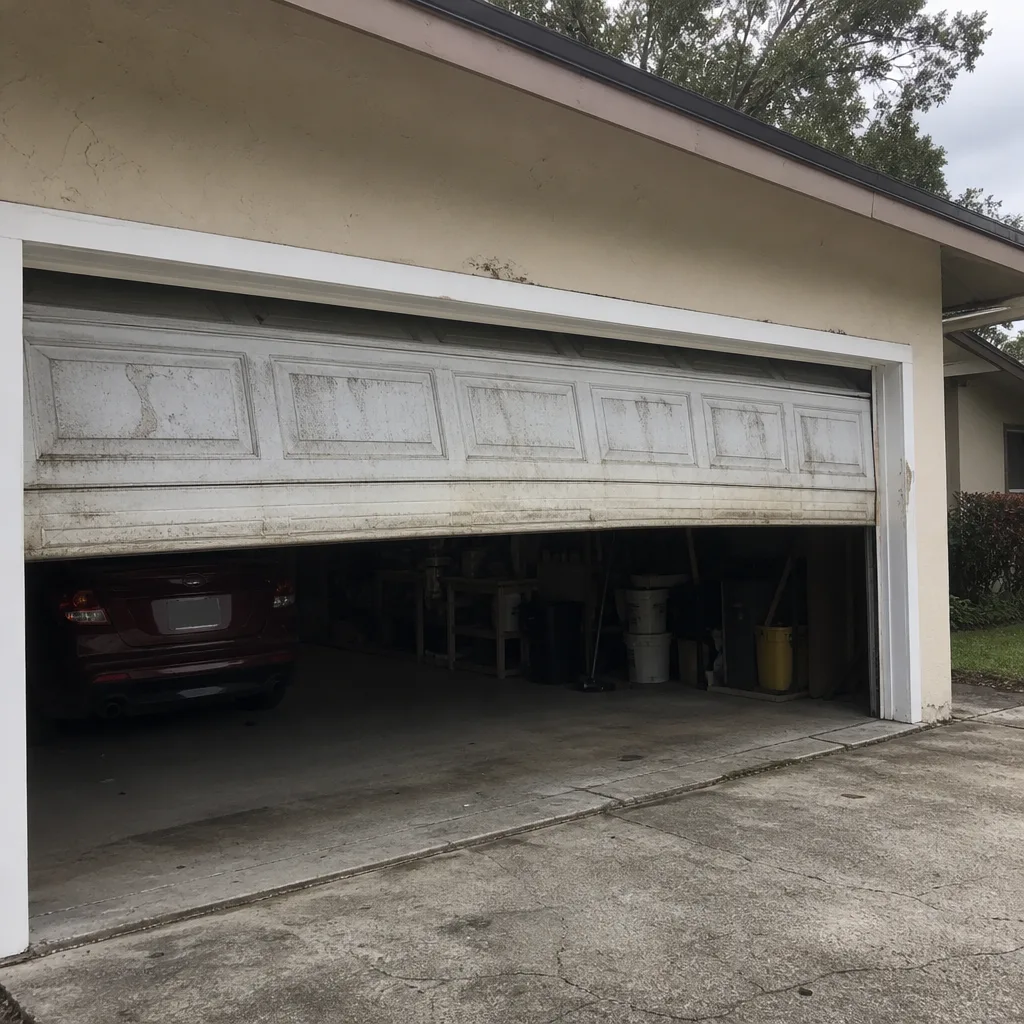 Before
 After
 Before
 After
 Before
 After